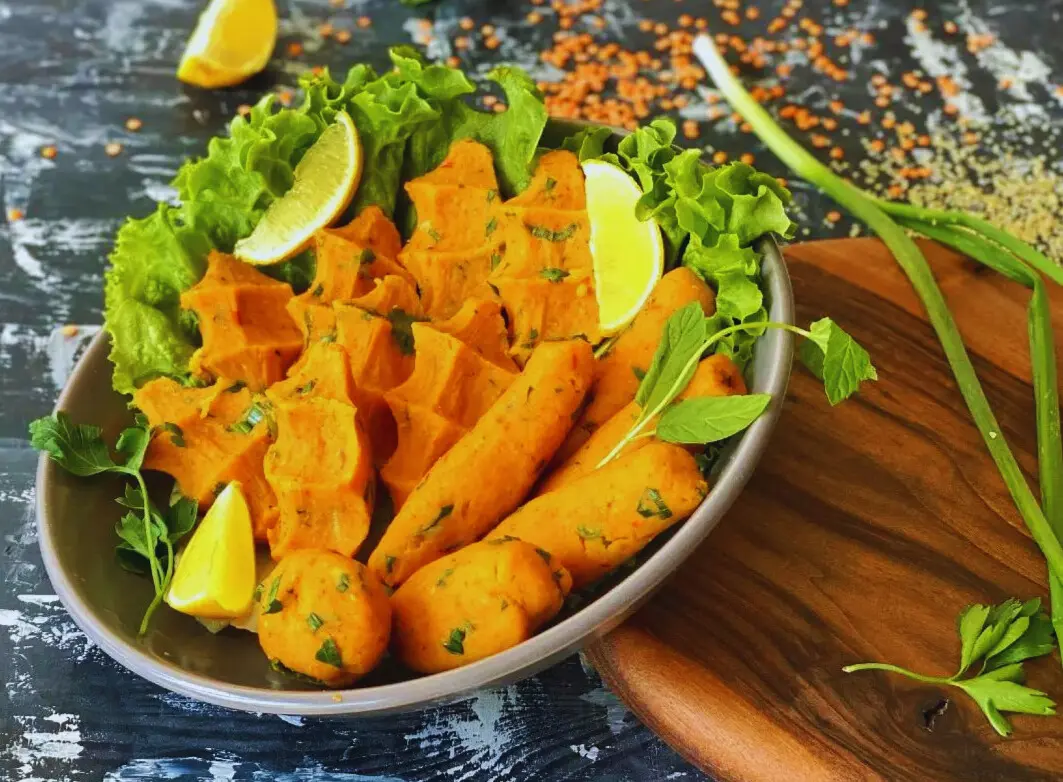
Some Turkish dishes are made for sharing, and mercimek köftesi is one of the most loved. Soft red lentils and fine bulgur are kneaded with olive oil, onion, tomato paste, pepper paste and fresh herbs, then shaped by hand and served in crisp lettuce leaves with a generous squeeze of lemon.
This is the kind of recipe that appears on afternoon tea tables, family gatherings and crowded meze plates across Türkiye. It is naturally meat-free, satisfying without feeling heavy, and especially good when the lemon, cumin and pomegranate molasses are balanced just right.
Jump to:
- What Is Mercimek Köftesi?
- Ingredients and Why They Matter
- How to Make Turkish Red Lentil Kofta
- Expert Tips
- Common Mistakes
- Serving and Presentation
- Storage and Reheating
- Kitchen Notes
- Frequently Asked Questions
What Is Turkish Red Lentil Kofta?
Turkish red lentil kofta, or mercimek köftesi, is a traditional meat-free dish made from cooked red lentils, fine bulgur, sautéed onion, pepper paste, tomato paste, herbs and spices. Shaped by hand and served cold or at room temperature in lettuce leaves, it is a classic Turkish meze and gathering-table favorite.
Despite the word köfte, this recipe does not contain meat. In Turkish cooking, the name can also describe hand-shaped mixtures such as lentil köfte or meatless çiğ köfte. Mercimek köftesi is appreciated for its soft yet structured texture, fresh herb aroma and lively lemon finish.
It belongs beautifully on a Turkish appetizer table with dishes from our appetizers and meze collection. For a fuller spread, serve it beside creamy Turkish haydari or another bulgur-based favorite, kısır salad.
Ingredients for Turkish Red Lentil Kofta
This recipe makes approximately 20 to 22 hand-shaped lentil kofta, enough for 6 appetizer servings.
- 1 1/2 cups / 300 g red lentils: They cook down to a soft, creamy base that binds the köfte naturally.
- 1 cup / 180 g fine bulgur: Use fine köftelik bulgur, not coarse pilaf bulgur. It absorbs the lentil moisture and creates the correct tender texture.
- 3 1/2 cups / 830 ml water: Enough to cook the lentils while leaving moisture for the bulgur to swell.
- 1 medium onion, finely diced: Gently cooked onion brings sweetness and depth.
- 1/3 cup / 80 ml olive oil: Gives the mixture its smooth mouthfeel and characteristic richness.
- 1 tablespoon tomato paste: Adds sweetness, color and savory flavor.
- 1 tablespoon Turkish red pepper paste: Gives deeper pepper flavor and authentic warmth. You can prepare or learn more about Turkish red pepper paste here.
- 1 teaspoon ground cumin: The warm spice most closely associated with the familiar taste of mercimek köftesi.
- 1 teaspoon pul biber or Aleppo pepper: Adds gentle heat and fruity pepper flavor.
- 1 teaspoon sumac: Optional, but lovely for an extra lemony tang.
- 1 teaspoon salt, plus more to taste: Season after mixing because pepper paste may already contain salt.
- 1/2 teaspoon black pepper: Adds quiet warmth in the background.
- 2 tablespoons pomegranate molasses: Provides the sweet-sour depth common on Turkish meze tables.
- Juice of 1 lemon: Brightens the lentils and balances the olive oil.
- 4 spring onions, finely sliced: Adds freshness without overwhelming the soft mixture.
- 1/2 bunch flat-leaf parsley, finely chopped: Essential for color and a clean herbal finish.
- Romaine or butter lettuce leaves, to serve: The traditional crisp wrap for each piece.
- Lemon wedges and extra pomegranate molasses, to serve: Let everyone finish their plate to taste.
How to Make Turkish Red Lentil Kofta
1. Cook the Red Lentils
Rinse the red lentils in a sieve until the water runs mostly clear. Place them in a medium saucepan with 3 1/2 cups of water. Bring to a boil, then reduce the heat and simmer gently for 18 to 22 minutes, stirring occasionally.
The lentils should be completely soft, almost like a thick porridge, with a small amount of moisture still visible. Do not drain them; that remaining moisture is what softens the fine bulgur.
2. Add the Fine Bulgur
Turn off the heat and immediately stir the fine bulgur into the hot cooked lentils. Cover the pan with a lid and let the mixture rest for 20 to 25 minutes. During this time, the bulgur absorbs the remaining liquid and becomes tender without separate cooking.
When ready, the mixture should feel soft and moldable rather than watery. Transfer it to a wide mixing bowl so it can cool more quickly.
3. Prepare the Onion and Paste Mixture
While the bulgur rests, warm the olive oil in a frying pan over medium-low heat. Add the finely diced onion and cook for 7 to 8 minutes, stirring regularly, until softened and translucent. Avoid browning the onion; the goal is sweetness rather than a fried flavor.
Add the tomato paste and Turkish red pepper paste. Stir for 1 to 2 minutes until the oil turns a warm reddish color and the raw paste aroma disappears. Remove the pan from the heat.
4. Knead the Base Mixture
Add the warm onion and paste mixture to the lentil and bulgur mixture. Add cumin, pul biber, sumac, black pepper and salt. When the mixture is cool enough to handle comfortably, knead it by hand for 4 to 5 minutes.
This kneading step matters. It blends the softened bulgur into the lentils and helps the köfte hold the familiar hand-squeezed shape without flour, breadcrumbs or eggs.
5. Add Lemon, Pomegranate Molasses and Herbs
Pour in the lemon juice and pomegranate molasses. Knead again briefly, then fold in the chopped parsley and spring onions. Taste a small spoonful and adjust with a little more salt, lemon or pomegranate molasses if needed.
The mixture should taste bright and well-seasoned because it will be served at room temperature or chilled, where muted seasoning becomes more noticeable.
6. Shape the Lentil Kofta
Take a heaped tablespoon of mixture in your palm. Gently squeeze it between your fingers to create the traditional ridged oval shape. Continue until all the mixture has been shaped, arranging the pieces on a platter lined with lettuce leaves.
7. Rest and Serve
Allow the shaped köfte to rest for 15 to 20 minutes before serving. This helps the texture settle and allows the lemon, pepper paste and cumin flavors to come together. Serve with lettuce leaves, lemon wedges and an optional drizzle of pomegranate molasses.
Expert Tips for Perfect Mercimek Köftesi
- Use fine bulgur only. Coarse bulgur will stay chewy and will not produce the soft, cohesive texture expected in mercimek köftesi.
- Do not drain the lentils. Their remaining cooking moisture is needed to soften the bulgur naturally.
- Add the herbs after the mixture cools. Hot lentils can dull the fresh green color of parsley and spring onion.
- Knead before shaping. Proper kneading is what helps the köfte stay together without meat, eggs or breadcrumbs.
- Balance sourness at the end. Pepper paste and pomegranate molasses vary in strength, so always taste before shaping.
- Serve with crisp lettuce. The contrast between tender köfte and cold, crunchy leaves is part of the dish’s charm.
Common Mistakes to Avoid
Using Coarse Bulgur
Mercimek köftesi needs fine bulgur that softens in the hot lentil mixture. Coarse bulgur is intended for pilaf and leaves the finished köfte grainy and difficult to shape.
Cooking Away All the Lentil Moisture
If the cooked lentils become dry before the bulgur is added, the mixture may crumble later. Leave a little visible moisture in the pan before stirring in the bulgur.
Adding Parsley While the Mixture Is Hot
Fresh herbs added too early lose their bright color and aroma. Wait until the lentil mixture is warm rather than steaming hot before adding parsley and spring onion.
Assuming Traditional Mercimek Köftesi Contains Meat
Traditional Turkish mercimek köftesi is already meat-free. There is no need to add lamb, minced meat, tofu or breadcrumbs. Its satisfying structure comes from cooked red lentils, fine bulgur and hand-kneading.
Calling the Traditional Recipe Gluten-Free
Classic mercimek köftesi contains bulgur, which is made from wheat and therefore contains gluten. A gluten-free adaptation can be made with another grain, but it should be clearly identified as a variation rather than the classic recipe.
Serving and Presentation
Arrange the lentil kofta on a large serving plate with washed and dried lettuce leaves underneath or around the edges. Guests usually pick up one köfte with a lettuce leaf, add a squeeze of lemon and eat it by hand.
Mercimek köftesi works especially well as part of a cold Turkish meze spread. Serve it with haydari yogurt meze, crisp Turkish pickled cucumbers and fresh bread. For another traditional meat-free hand-shaped dish, explore Turkish meatless çiğ köfte.
Storage and Reheating
Refrigerating: Place leftover mercimek köftesi in an airtight container and refrigerate for up to 3 days. Store lettuce leaves separately so they stay crisp.
Serving after refrigeration: Remove the köfte from the refrigerator about 15 minutes before serving. The olive oil, lemon and spice flavors are more enjoyable when the mixture is not ice-cold.
Freezing: Freezing is not recommended. Once thawed, the herbs lose freshness and the lentil-bulgur mixture can become watery or crumbly.
Reheating: Mercimek köftesi is traditionally served cool or at room temperature, not reheated.
Kitchen Notes
In a Turkish home kitchen, mercimek köftesi is often made by feel. If the mixture seems slightly soft while warm, give it 10 minutes before adding anything; bulgur continues absorbing moisture as it rests. If it is still too loose, knead in 1 or 2 tablespoons of fine bulgur and rest again.
If the mixture feels dry or cracks while shaping, add a teaspoon of olive oil and a small squeeze of lemon, then knead again. The ideal texture should hold finger marks clearly while remaining tender to eat.
Gluten-free variation: Traditional mercimek köftesi is not gluten-free because it includes bulgur. For guests avoiding gluten, you may experiment with finely cooked quinoa in place of bulgur, understanding that the texture and taste will be different from the classic Turkish dish.
Frequently Asked Questions
Is Turkish red lentil kofta the same as meatballs?
Not in the usual meat-based sense. Although köfte is often translated as meatball, mercimek köftesi is made with red lentils and fine bulgur rather than meat. The name refers to its hand-shaped form. It is a classic Turkish meat-free dish served on lettuce leaves with lemon.
Is mercimek köftesi naturally vegan?
Yes. Traditional mercimek köftesi is naturally vegan when prepared with red lentils, fine bulgur, olive oil, onion, pepper paste, tomato paste, herbs and spices. It does not require meat, eggs or dairy. Check packaged pepper paste and pomegranate molasses labels only if you follow strict dietary requirements.
What type of bulgur should I use for lentil kofta?
Use fine bulgur, often sold as fine bulgur for köfte or köftelik bulgur. It softens easily when mixed into the hot cooked lentils. Coarse bulgur intended for pilaf will remain too firm and prevents the mixture from achieving the smooth, shapeable texture of traditional mercimek köftesi.
Why is my lentil kofta mixture too soft to shape?
The mixture may still be warm or may contain slightly too much liquid. Let it rest for another 10 to 15 minutes first, because the bulgur continues to absorb moisture. If it remains soft, knead in one tablespoon of fine bulgur at a time, resting briefly before shaping.
Why does my mercimek köftesi fall apart?
A crumbly mixture usually means the lentils were cooked too dry, the bulgur was too coarse, or the mixture was not kneaded enough. Add a small amount of olive oil and lemon juice, then knead thoroughly. The finished mixture should press together easily and hold visible finger ridges.
Is traditional Turkish red lentil kofta gluten-free?
No. Traditional mercimek köftesi includes bulgur, and bulgur is made from wheat, so the classic dish contains gluten. A gluten-free adaptation can be prepared using an alternative such as quinoa, but its texture will differ and it should be presented as a variation rather than an authentic replacement.
Can I make mercimek köftesi ahead of time?
Yes. Mercimek köftesi is an excellent make-ahead appetizer. Prepare and shape it several hours before serving, then cover and refrigerate. For the best flavor, take it out about 15 minutes before serving and arrange it with fresh lettuce leaves, lemon wedges and pomegranate molasses at the table.
What do you serve with Turkish red lentil kofta?
Serve mercimek köftesi with crisp lettuce leaves, lemon wedges and optionally extra pomegranate molasses. On a Turkish meze table, it pairs beautifully with haydari, cucumber pickles, kısır, fresh herbs and bread. Its bright, savory taste also makes it a satisfying light lunch or picnic dish.
Turkish Red Lentil Kofta Recipe – Mercimek Köftesi
Ingredients
- 1 1/2 cups / 300 g red lentils
- 1 cup / 180 g fine bulgur
- 3 1/2 cups / 830 ml water
- 1 medium onion finely diced
- 1/3 cup / 80 ml olive oil
- 1 tablespoon tomato paste
- 1 tablespoon Turkish red pepper paste
- 1 teaspoon ground cumin
- 1 teaspoon pul biber or Aleppo pepper
- 1 teaspoon sumac optional
- 1 teaspoon salt plus more to taste
- 1/2 teaspoon black pepper
- 2 tablespoons pomegranate molasses
- Juice of 1 lemon
- 4 spring onions finely sliced
- 1/2 bunch flat-leaf parsley finely chopped
- Lettuce leaves, lemon wedges and pomegranate molasses, for serving
Instructions
- Rinse the red lentils thoroughly. Place them in a saucepan with water and simmer for 18 to 22 minutes until very soft, leaving a little moisture in the pan.
- Stir fine bulgur into the hot lentils. Cover and rest for 20 to 25 minutes until the bulgur softens and absorbs the remaining moisture.
- Heat olive oil in a pan. Cook the diced onion over medium-low heat until soft and translucent, about 7 to 8 minutes.
- Stir tomato paste and red pepper paste into the onion. Cook for 1 to 2 minutes, then remove from the heat.
- Combine the onion mixture with the lentils and bulgur. Add cumin, pul biber, sumac, salt and black pepper.
- Once cool enough to handle, knead the mixture for 4 to 5 minutes until cohesive.
- Add lemon juice and pomegranate molasses, then fold in parsley and spring onions. Taste and adjust seasoning.
- Take heaped tablespoon portions and squeeze gently in your palm to form ridged oval pieces.
- Arrange on lettuce leaves and rest for 15 to 20 minutes before serving with lemon wedges and extra pomegranate molasses.
Notes
- Traditional mercimek köftesi is naturally meat-free.
- Use fine bulgur, not coarse pilaf bulgur.
- Classic mercimek köftesi is not gluten-free because bulgur contains wheat.
- Add fresh herbs only after the lentil mixture has cooled slightly.
- Refrigerate leftovers in an airtight container for up to 3 days.