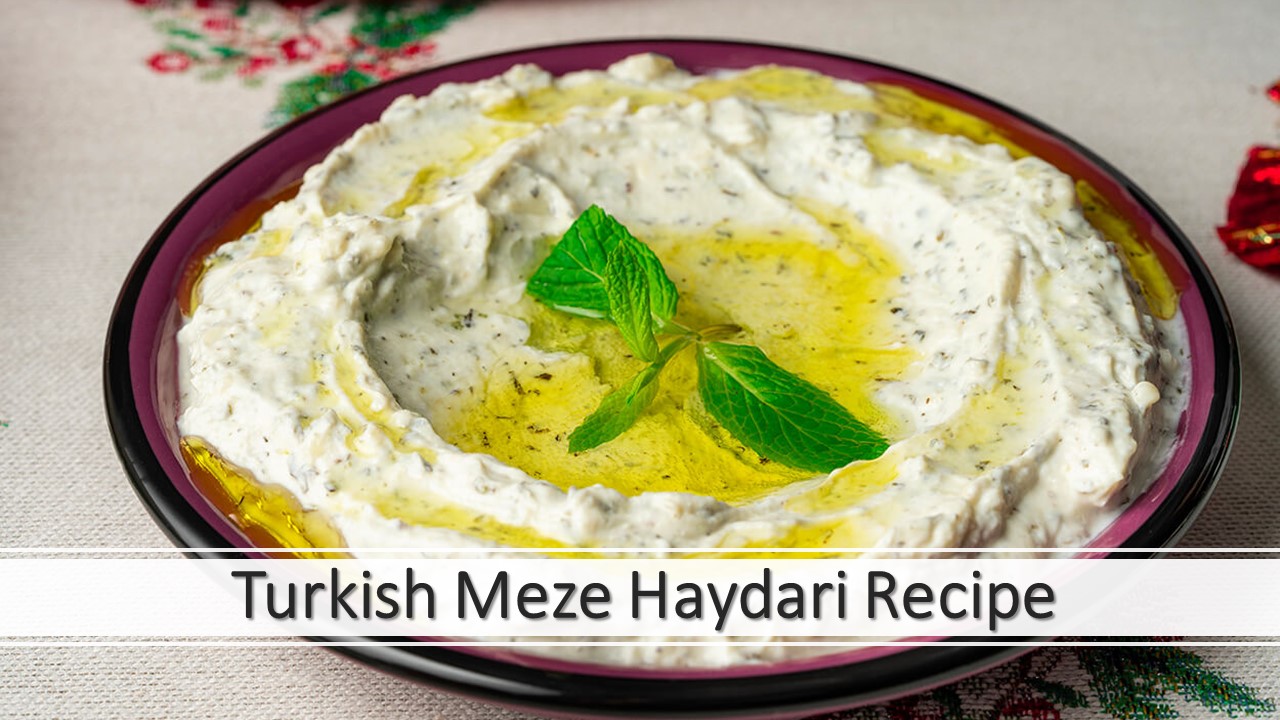
Turkish Meze Haydari Recipe is a creamy, tangy, and refreshing yogurt-based appetizer made with strained yogurt, feta cheese, garlic, olive oil, dried mint, dill, and walnuts. This easy Turkish meze recipe is perfect for sharing with warm bread, grilled meats, or a classic appetizer table. Unlike plain yogurt dips, haydari has a thicker texture, deeper aroma, and a rich savory balance from cheese, herbs, and olive oil. If you want a simple cold appetizer that feels authentic, practical, and restaurant-worthy, this haydari recipe is one of the best Turkish mezes to make at home.
In Turkish cuisine, mezes are served in small portions before or beside the main meal. They are not meant to fill the table alone, but to open the appetite, support conversation, and bring variety to every bite. Haydari is especially loved because it is quick, economical, and full of flavor with very few ingredients.
For more cold appetizers and small plates, you can also explore the Appetizers & Meze collection on TurkishDishes.net.
Table of Contents
- What Is Haydari?
- Why You’ll Love This Recipe
- Ingredients
- Ingredient Notes & International Substitutions
- Equipment
- Step-by-Step Instructions
- Expert Tips
- Regional Variations
- Common Mistakes
- Serving Suggestions
- Storage & Reheating
- Frequently Asked Questions
- Conclusion
What Is Haydari?
Haydari is a traditional Turkish meze made with strained yogurt, garlic, olive oil, dried mint, dill, and often a small amount of white cheese or feta. It is served cold and usually enjoyed with warm bread, lavash, pita, grilled meats, or other mezes.
The texture of haydari should be thick, spoonable, and creamy. It should not be watery like a simple yogurt sauce. The flavor is cooling at first, then slightly salty, garlicky, herbal, and gently rich from olive oil. In many Turkish homes and restaurants, haydari appears on the table next to other cold appetizers because it balances spicy, grilled, fried, or tomato-based dishes very well.
Although haydari is sometimes confused with cacık or tzatziki, it is thicker and more concentrated. Cacık is usually lighter and may include cucumber, while haydari is richer, denser, and often includes cheese and herbs. If you want to compare it with another yogurt-based Turkish dish, see this Turkish Tzatziki Recipe.
Why You’ll Love This Recipe
- Quick and practical: Haydari comes together in about 10 minutes once the ingredients are ready.
- No complicated cooking: Only the walnuts are briefly warmed in olive oil for extra aroma.
- Authentic Turkish meze flavor: Strained yogurt, garlic, mint, dill, feta, and olive oil create the classic taste.
- Perfect for sharing: It works beautifully on meze platters, dinner tables, and party spreads.
- Easy to adjust: You can make it stronger with more garlic, milder with less cheese, or richer with more olive oil.
- International-friendly: The ingredients are easy to find in most grocery stores, with simple substitutions included below.
- Make-ahead friendly: Haydari tastes even better after resting in the fridge for a short time.
Ingredients Turkish Meze Haydari Recipe
- 5 tablespoons strained yogurt / about 200 g
- 1 slice feta cheese / about 50 g, mashed
- 2 cloves garlic / grated or crushed into a paste
- 4 tablespoons olive oil
- 1 teaspoon dried mint
- 4–5 sprigs fresh dill / finely chopped
- 1/3 cup finely ground walnuts
- 1/2 teaspoon salt / adjust to taste
Ingredient Notes & International Substitutions
Strained Yogurt
Strained yogurt is the foundation of haydari. It gives the meze its thick, creamy body and mild tang. In Turkey, this is usually called süzme yoğurt. Outside Turkey, look for Greek yogurt, labneh, or thick plain yogurt. If your yogurt is watery, place it in a fine-mesh strainer lined with cheesecloth and let it drain for 1–2 hours before using.
Feta Cheese or Turkish White Cheese
Traditional Turkish haydari often uses white cheese, known as beyaz peynir. Feta is the closest international substitute. It adds saltiness, body, and a slightly sharp flavor. Use a creamy feta rather than a very dry one. If the cheese is too salty, rinse it briefly and pat it dry before mashing.
Garlic
Garlic gives haydari its signature sharpness. Crushing or grating the garlic is better than chopping because it distributes the flavor evenly through the yogurt. For a softer taste, use one clove instead of two. For a stronger restaurant-style haydari, keep both cloves.
Olive Oil
Olive oil adds richness and helps carry the aroma of mint and walnuts. Extra virgin olive oil is best, but choose one with a smooth flavor rather than an overly bitter finish. A little olive oil can also be drizzled on top before serving.
Dried Mint
Dried mint is one of the key flavors in haydari. It brings a cool, herbal aroma that works beautifully with yogurt and garlic. If using fresh mint instead, chop it very finely and use a slightly larger amount, but dried mint gives the more classic taste.
Dill
Fresh dill brightens the dip and makes it taste fresher. Chop only the tender leaves, not the thick stems. If dill is not available, you can use a small amount of parsley, but the flavor will be less traditional.
Walnuts
Walnuts are optional in some versions, but they add texture, warmth, and a nutty depth. Briefly sautéing them in olive oil makes the flavor stronger. If you need a nut-free version, simply leave them out.
Salt
Add salt carefully because feta cheese can already be salty. Mix the haydari first, taste it, then adjust. This prevents the dip from becoming too salty.
For a balanced Turkish meze table, haydari pairs well with fresh, grain-based appetizers such as Fine Bulgur Salad Kısır.
Equipment
- Small frying pan
- Mixing bowl
- Fork for mashing cheese
- Garlic grater or garlic press
- Sharp knife
- Cutting board
- Spoon or small whisk
- Serving plate or shallow meze bowl
Step-by-Step Instructions
Haydari is simple, but its texture depends on small details. The yogurt must be thick, the cheese should be mashed smoothly, the garlic should be fully blended into the mixture, and the walnuts should be cooled before they touch the yogurt. Follow these steps carefully for a creamy, balanced Turkish meze.
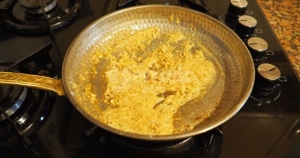
Step 1 – Prepare the Walnut and Olive Oil Mixture
Place a small frying pan over low to medium heat and add the olive oil. When the oil becomes warm, add the finely ground walnuts and stir for about 2 minutes. The goal is not to deeply fry the walnuts, but to gently release their aroma into the olive oil.
Remove the pan from the heat and let the mixture cool completely. This is important because hot oil can loosen the yogurt and make the haydari watery.
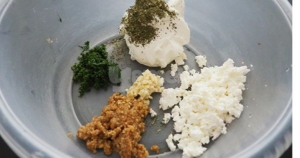
Step 2 – Prepare the Garlic, Cheese, and Dill
Crush or grate the garlic into a smooth paste. This helps the garlic flavor spread evenly through the yogurt instead of creating sharp pieces in one bite.
Mash the feta cheese with a fork until it becomes fine and crumbly. If the cheese stays in large pieces, the haydari will not have a smooth texture. Finely chop the dill and set it aside.
Step 3 – Combine the Yogurt Base
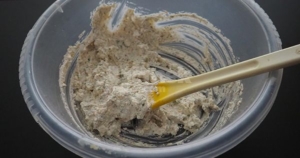
Add the strained yogurt to a mixing bowl. Stir it briefly with a spoon or small whisk until it looks smooth and creamy. Then add the mashed feta cheese, garlic paste, dried mint, chopped dill, and salt.
Mix slowly at first so the yogurt does not splash, then continue stirring until the cheese and herbs are evenly distributed. The mixture should look thick, creamy, and spoonable.
Step 4 – Add the Cooled Walnut Oil
Once the walnut and olive oil mixture has cooled, add it to the yogurt mixture. Fold it in gently rather than beating too strongly. This keeps the texture thick while spreading the nutty aroma throughout the dip.
Taste the haydari before adding more salt. Feta cheese can vary a lot in saltiness, so the final seasoning should always be adjusted after mixing.
Step 5 – Rest Before Serving
Cover the bowl and refrigerate the haydari for at least 20–30 minutes before serving. This short resting time allows the garlic, mint, dill, cheese, and olive oil to settle into the yogurt.
If the haydari becomes too thick after resting, stir in one teaspoon of olive oil or a small spoonful of strained yogurt. Do not add water, because haydari should remain thick and rich.
Step 6 – Plate and Garnish
Transfer the haydari to a shallow serving plate or small meze bowl. Spread it with the back of a spoon and create soft swirls on the surface.
Finish with a light drizzle of olive oil, a little dried mint, a few walnut pieces, or fresh dill. Serve cold with warm bread, lavash, pita, or toasted slices.
Expert Tips
- Use thick yogurt: Watery yogurt is the main reason haydari loses its proper texture.
- Cool the walnut oil: Adding hot oil to yogurt can make the dip separate or become loose.
- Mash the cheese well: Large cheese pieces make the texture uneven.
- Do not over-salt early: Feta may already contain enough salt.
- Let it rest: Haydari tastes better after the flavors have had time to blend.
- Use dried mint: Fresh mint is pleasant, but dried mint gives the more classic Turkish flavor.
- Serve it cold: Haydari should be chilled, not warm or room temperature for too long.
Regional Variations
Haydari changes slightly from kitchen to kitchen. Some versions are very simple, made only with strained yogurt, garlic, mint, salt, and olive oil. Others include feta cheese, walnuts, dill, or butter. The version in this recipe is rich but still practical for a home kitchen.
Classic Restaurant-Style Haydari
Restaurant-style haydari is usually thick, garlicky, and served in a small portion as part of a mixed meze plate. It may be topped with olive oil, dried mint, and sometimes crushed walnuts.
Walnut Haydari
Walnut haydari has a deeper flavor and a slightly textured bite. Warming the walnuts briefly in olive oil makes this version more aromatic and satisfying.
Cheese-Free Haydari
If you prefer a lighter version, you can make haydari without feta cheese. The result will be slightly less salty and less dense, but still delicious if the yogurt is properly strained.
Spicy Haydari
Some cooks add a pinch of red pepper flakes or Aleppo pepper for gentle heat. This is not necessary, but it works well if haydari is served beside grilled meats or kebabs.
Common Mistakes
- Using regular watery yogurt: This makes the dip loose instead of thick and creamy.
- Adding hot oil directly to yogurt: Heat can damage the texture and cause separation.
- Using too much garlic: Garlic becomes stronger as the dip rests, so start moderately.
- Not mashing the feta: Large pieces prevent the haydari from becoming smooth.
- Skipping the resting time: Freshly mixed haydari tastes sharper and less balanced.
- Overmixing after adding walnuts: Gentle folding keeps the texture thick and pleasant.
- Adding too much salt: Taste after adding feta before adjusting seasoning.
Serving Suggestions
Haydari is traditionally served cold as part of a Turkish meze table, where several small dishes are shared before the main course. Its rich, creamy texture balances grilled meats, spicy dishes, and fresh vegetables, making it one of the most versatile appetizers in Turkish cuisine.
Serve haydari with warm pita bread, lavash, toasted sourdough, or crunchy breadsticks. It also works beautifully as a dip for cucumber sticks, carrots, celery, bell peppers, and cherry tomatoes, making it a lighter option for parties or summer gatherings.
For a complete Turkish meze experience, pair haydari with Fine Bulgur Salad (Kısır). The fresh herbs and pomegranate molasses in kısır create a wonderful contrast to the rich yogurt and feta.
It also complements grilled chicken, lamb kebabs, kofte, roasted vegetables, seafood, or baked potatoes. The cool yogurt helps balance smoky and spicy flavors, making haydari an excellent side dish for barbecue meals.
For a colorful presentation, drizzle the finished haydari with extra virgin olive oil and garnish with chopped dill, dried mint, crushed walnuts, or a light sprinkle of Aleppo pepper just before serving.</>
Storage & Reheating
How to Store Haydari
Transfer leftover haydari to an airtight container immediately after serving. Smooth the surface with the back of a spoon and drizzle a thin layer of olive oil over the top to help preserve freshness.
Store in the refrigerator for up to 3 days. Since haydari contains fresh dairy ingredients, it is best enjoyed within the first two days for the freshest flavor and texture.
Can You Freeze Haydari?
Freezing is not recommended. Yogurt and feta tend to separate after thawing, resulting in a grainy texture and excess liquid. Freshly prepared haydari always produces the best results.
Do You Reheat Haydari?
No. Haydari is always served chilled. If it becomes slightly firm after refrigeration, simply let it sit at room temperature for about 10 minutes and stir gently before serving.
How to Refresh Leftover Haydari
If the yogurt releases a little liquid during storage, simply stir the haydari until smooth again. If necessary, mix in one spoonful of strained yogurt to restore its creamy consistency.
Frequently Asked Questions
1. What is the difference between Haydari and Tzatziki?
Haydari is much thicker and richer than tzatziki. Traditional haydari is made with strained yogurt, feta cheese, garlic, olive oil, dill, and dried mint, while tzatziki usually contains grated cucumber and has a lighter, more refreshing consistency.
2. Can I make haydari without feta cheese?
Yes. Although feta gives haydari its traditional salty flavor and creamy body, you can omit it if you prefer a lighter yogurt dip. Taste the mixture after removing the cheese and adjust the seasoning with a little extra salt if needed.
3. Can I use Greek yogurt instead of strained yogurt?
Absolutely. Greek yogurt is one of the best international substitutes for Turkish strained yogurt. Choose a full-fat variety for the richest flavor and thickest texture.
4. Why is my haydari watery?
This usually happens when regular yogurt is used instead of strained yogurt or when the walnuts and olive oil are added while still hot. Using thick yogurt and allowing ingredients to cool prevents excess moisture.
5. Can I prepare haydari in advance?
Yes. In fact, haydari often tastes even better after resting in the refrigerator for a few hours. This allows the garlic, herbs, cheese, and yogurt to blend into a more balanced flavor.
6. What can I serve with haydari?
Haydari pairs beautifully with warm pita, lavash, grilled meats, kebabs, roasted vegetables, fresh salads, olives, and many other Turkish mezes. It is also an excellent dip for raw vegetables.
7. Is haydari healthy?
Haydari is naturally high in protein and calcium thanks to its yogurt and cheese. When prepared with quality olive oil and served in moderate portions, it fits well into a balanced Mediterranean-style diet.
8. Can I make haydari without walnuts?
Yes. Walnuts are optional and mainly add texture and a subtle nutty flavor. If you have a nut allergy or simply prefer a smoother dip, you can leave them out without affecting the overall recipe.
Conclusion
Turkish Meze Haydari Recipe is one of the easiest and most rewarding appetizers you can prepare at home. With its creamy strained yogurt, salty feta, aromatic herbs, garlic, and olive oil, it delivers authentic Turkish flavor using only a handful of simple ingredients.
Whether you’re creating a traditional Turkish meze table, preparing appetizers for guests, or simply looking for a refreshing yogurt dip to enjoy with warm bread, haydari is always a delicious choice. Once you master this classic recipe, you’ll find yourself making it again and again for family dinners, barbecues, and special occasions.
If you enjoyed this recipe, be sure to explore more authentic Turkish appetizers and traditional mezes on TurkishDishes.net to build your own complete Mediterranean-inspired table.
Turkish Meze Haydari Recipe
Ingredients
- 5 tablespoons strained yogurt / about 200 g
- 1 slice feta cheese / about 50 g mashed
- 2 cloves garlic grated or crushed
- 4 tablespoons olive oil
- 1 teaspoon dried mint
- 4 –5 sprigs fresh dill finely chopped
- 1/3 cup finely ground walnuts
- 1/2 teaspoon salt adjust to taste
Instructions
- Warm the olive oil in a small pan over low-medium heat.
- Add the finely ground walnuts and sauté for about 2 minutes.
- Remove from heat and let the walnut oil cool completely.
- Crush the garlic into a paste.
- Mash the feta cheese with a fork.
- Finely chop the dill.
- Add strained yogurt to a mixing bowl and stir until smooth.
- Add feta, garlic, dried mint, dill, and salt.
- Mix until thick and creamy.
- Fold in the cooled walnut and olive oil mixture.
- Taste and adjust salt if needed.
- Refrigerate for 20–30 minutes before serving.
- Transfer to a serving plate and garnish with olive oil, dill, mint, or walnuts.
Notes
Notes
- Use strained yogurt or thick Greek yogurt.
- Do not add hot walnut oil to the yogurt.
- Add salt after tasting because feta can be salty.
- Haydari should be served cold.
- Store in the refrigerator for up to 3 days.
- Freezing is not recommended.
Nutrition
- Calories: 400 kcal
- Protein: 10 g
- Carbohydrates: 7 g
- Fat: 37 g
- Fiber: 1 g
- Sodium: varies depending on feta