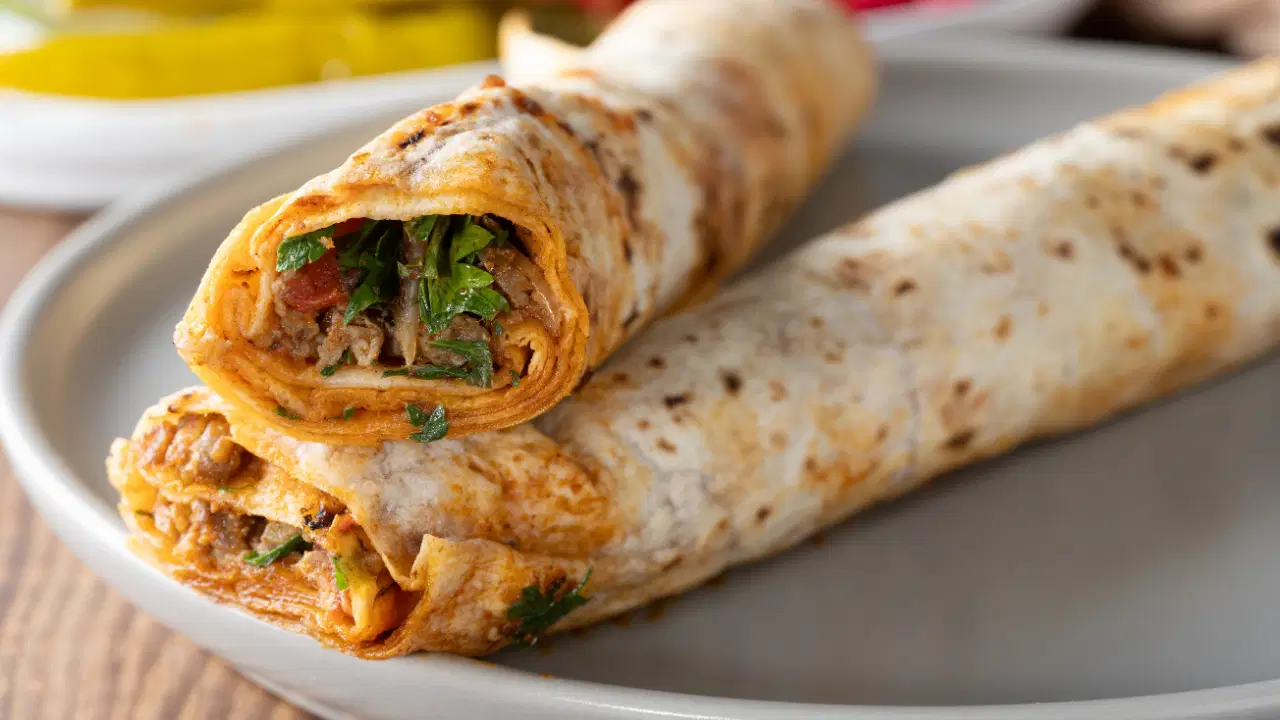
Tantuni Recipe brings one of Mersin’s most famous street foods to your kitchen. This juicy beef tantuni is made with finely chopped meat, paprika, tomatoes, parsley, onion, and warm lavash. The meat is finished quickly on a very hot pan, then wrapped while still sizzling. A good tantuni wrap should be juicy but never greasy, lightly spicy, fresh from the herbs and vegetables, and hot enough to soften the lavash without making it soggy.
Table of Contents
- What Is Tantuni?
- Why You’ll Love This Recipe
- Tantuni Ingredients
- Ingredient Notes & International Substitutions
- Equipment
- What Is the Best Tantuni Pan?
- How to Make Tantuni Step-by-Step
- Expert Tips
- Regional Variations
- Common Mistakes
- Serving Suggestions
- Storage & Reheating
- Frequently Asked Questions
- Conclusion
What Is Tantuni?
Tantuni is a Turkish street food strongly associated with Mersin on Türkiye’s Mediterranean coast. It is traditionally made with very small pieces of beef or, in some versions, lamb that are cooked on a hot metal surface with a little water, oil, and red pepper.
The hot meat is usually combined with chopped tomato, parsley, onion, and sometimes green pepper before being rolled in thin lavash or served inside bread. A squeeze of fresh lemon adds acidity just before eating.
What separates Tantuni from many other Turkish meat dishes is its cooking method. The meat is first cooked until tender, then finished quickly over high heat so the seasoned juices coat every small piece without turning the filling greasy.
Why You’ll Love This Recipe
- True street-food texture: Finely chopped beef stays juicy while developing flavor on a very hot pan.
- Fresh and balanced: Tomato, parsley, onion, and lemon cut through the richness of the meat.
- Fast final cooking: Once the beef is tender, each portion takes only a few minutes to finish.
- Easy to make at home: You do not need a professional street-food station to get excellent results.
- Works as a wrap or sandwich: Serve it in thin lavash for a classic Tantuni wrap or inside bread for a heartier version.
Tantuni Ingredients
This tantuni beef recipe makes approximately 4 wraps.
For the Beef Tantuni
- 1 lb (450 g) beef, cut into very small cubes
- 1 cup (240 ml) water, for the initial cooking
- 2 tbsp neutral oil, such as sunflower oil
- 1 tsp sweet paprika
- 1/2 tsp red pepper flakes, optional
- 1 tsp salt, or to taste
For the Fresh Filling
- 2 medium tomatoes, finely diced
- 1 small onion, thinly sliced
- 1/2 cup flat-leaf parsley, finely chopped
- 1 green pepper, finely sliced, optional
- 1 tsp sumac, optional
For Serving
- 4 large lavash breads
- 1 lemon, cut into wedges
- Pickled peppers, optional
- Extra parsley, optional
Ingredient Notes & International Substitutions
Beef
Beef is one of the most common choices for Tantuni. Sirloin, top sirloin, or another moderately tender cut works well. More important than the exact cut is the size of the pieces: authentic-style tantuni meat should be chopped very small so it cooks evenly and distributes well through the wrap.
If the beef is difficult to dice, chill it in the freezer for about 20 minutes. Slightly firm meat is much easier to cut into small, clean pieces.
Lamb
Lamb can also be used and gives the dish a richer flavor. Choose a tender cut and leave a small amount of natural fat for juiciness. You may need slightly less added oil if the lamb is relatively fatty.
Lavash
Thin Turkish lavash is ideal for a Tantuni wrap because it warms quickly, bends easily, and absorbs a small amount of meat juice without becoming too heavy.
If Turkish lavash is unavailable, choose a thin, flexible flatbread rather than a thick pita.
Paprika and Red Pepper
Sweet paprika provides color and gentle pepper flavor. Red pepper flakes add heat, but Tantuni does not need to be aggressively spicy. The seasoning should support the beef rather than overpower it.
Tomatoes
Use firm, ripe tomatoes and avoid transferring too much watery seed pulp into the wrap. Excess moisture can soften the lavash very quickly.
Onion and Sumac
Thinly sliced raw onion adds sharpness and texture. Sumac is optional but useful because it brings acidity without adding liquid, helping balance the richness of the beef.
Equipment
- Sharp chef’s knife
- Cutting board
- Medium saucepan
- Large flat skillet, griddle, carbon-steel pan, or cast-iron skillet
- Wooden spoon or metal spatula
- Small mixing bowls
- Tongs
What Is the Best Tantuni Pan?
A traditional-style Tantuni pan needs a wide cooking surface that gets very hot and recovers its temperature quickly when meat is added. At home, a large carbon-steel pan, flat griddle, or heavy cast-iron skillet is an excellent choice.
The width matters because the meat should spread into a thin layer rather than pile up. When too much beef is crowded into a small pan, it releases steam and begins to simmer instead of sizzling in its seasoned juices.
A nonstick skillet can work, but a heavy metal pan that tolerates higher heat usually gives better browning and a more convincing street-food texture.
How to Make Tantuni Step-by-Step
Step 1: Cut the Meat Very Small
Cut the beef into small cubes about 1/4 inch in size. Keep the pieces as uniform as possible so they cook at the same speed.
Large chunks change the character of the dish. A proper beef Tantuni should have finely chopped meat that spreads easily through every bite of the wrap.
Step 2: Simmer the Beef Until Tender
Add the diced beef and water to a saucepan. Bring to a gentle simmer over medium heat.
Cook for about 15 to 20 minutes, or until the beef is tender and most of the liquid has evaporated.
If the pan dries before the meat becomes tender, add a small splash of hot water and continue cooking. The goal at this stage is tenderness, not browning.
Step 3: Prepare the Vegetables
Finely dice the tomatoes, thinly slice the onion, chop the parsley, and slice the optional green pepper.
If using sumac, gently rub it into the onion with your fingers. This softens the onion slightly and distributes the tart flavor.
Step 4: Heat the Tantuni Pan
Heat a wide skillet or griddle over medium-high to high heat. Add the neutral oil and let the surface become properly hot.
The meat should sizzle immediately when it touches the pan. A lukewarm surface encourages steaming instead of the fast, flavorful finish Tantuni needs.
Step 5: Season and Finish the Beef
Add one portion of cooked beef to the hot pan with a small spoonful of its remaining cooking liquid.
Add paprika, optional red pepper flakes, and salt. Toss continuously for about 1 to 2 minutes until the beef is piping hot and coated in the seasoned oil and juices.
Add only enough liquid to keep the meat juicy. If the beef is sitting in a pool of water, there is too much liquid or the pan is not hot enough.
Step 6: Warm the Lavash Over the Meat
Lay a sheet of lavash briefly over the hot beef for about 10 to 15 seconds.
This softens the bread and allows it to pick up a small amount of aroma and moisture from the pan. Do not leave it in contact with the meat long enough to become greasy.
Step 7: Build the Tantuni Wrap
Transfer the warm lavash to a clean work surface. Spoon the hot beef along the center.
Add tomato, onion, parsley, and optional green pepper. Keep the amount of fresh filling balanced so the beef remains the dominant flavor.
Step 8: Add Lemon
Squeeze a small amount of fresh lemon juice over the filling immediately before rolling.
Lemon should brighten the beef rather than soak the bread, so a light squeeze is enough.
Step 9: Roll and Serve
Fold the lower edge slightly over the filling, then roll the lavash firmly into a compact wrap.
Serve immediately while the beef is hot, the herbs are fresh, and the lavash is still soft and flexible.
Step 10: Cook the Remaining Portions in Small Batches
Repeat the finishing process with the remaining beef. Working in smaller portions keeps the pan hot and produces much better results than reheating all the meat at once.
Expert Tips
- Cut the meat very small. This is one of the defining texture cues of Tantuni.
- Tenderize before the high-heat finish. The hot-pan stage is for flavor and texture, not long cooking.
- Use a wide, properly heated pan. Crowding causes the meat to steam.
- Control the liquid. A spoonful helps keep the beef juicy; too much turns the final stage into boiling.
- Keep the vegetables fresh. They should contrast with the hot savory meat.
- Use firm tomatoes. Too much tomato juice makes the wrap soggy.
- Add lemon last. Its freshness is more noticeable when it is squeezed over the filling just before rolling.
- Serve immediately. Tantuni is at its best while the meat is sizzling and the bread has not had time to absorb excess moisture.
Regional Variations
Tantuni is most closely associated with Mersin, but preparation varies between restaurants and households. Beef is common, while lamb versions offer a richer flavor and slightly different fat balance.
The dish may be served as a thin lavash wrap or inside bread. A Tantuni sandwich generally feels more substantial because the bread is thicker, while the lavash version keeps the focus on the meat and fresh filling.
The amount of pepper and vegetables can also change. Some versions are quite spicy, while others rely mainly on paprika and serve hot peppers separately.
Despite these variations, the defining method remains consistent: finely chopped meat, high-heat finishing, warm bread, and fresh vegetables served immediately.
Common Mistakes When Making Tantuni
Cutting the Meat Too Large
Large cubes create a very different eating experience. Chop the beef small enough that it cooks quickly and distributes evenly through the wrap.
Skipping the Initial Cooking Stage
Trying to tenderize raw beef entirely on the hot pan can leave it chewy. The initial simmer gives you tender meat before the fast high-heat finish.
Using Too Much Oil
Tantuni should be juicy and glossy, but not greasy. Use enough oil to coat the beef without leaving a heavy layer inside the lavash.
Adding Too Much Water to the Pan
A little cooking liquid helps carry the spices and keeps the beef moist. Too much lowers the temperature and prevents the meat from sizzling properly.
Overcrowding the Pan
Finish the beef in smaller portions. A crowded pan loses heat quickly and causes the meat to steam rather than develop the right texture.
Using Very Wet Tomatoes
Excess tomato juice soaks into the bread. Use firm tomato flesh and assemble the wrap only when you are ready to eat.
Waiting Too Long Before Serving
A freshly assembled Tantuni wrap has hot meat, fresh vegetables, and flexible lavash. As it sits, the bread gradually absorbs moisture and loses that contrast.
Serving Suggestions
Tantuni is already a complete street-food meal, so simple accompaniments work best.
- Fresh lemon wedges
- Pickled hot peppers
- Sumac onions
- Extra parsley
- Ayran
- Şalgam
Avoid overly heavy side dishes. Fresh, sour, and slightly spicy accompaniments balance the rich beef and warm lavash much better.
Storage & Reheating
Cooked Tantuni meat: Store in an airtight container in the refrigerator for up to 3 days.
Vegetables: Keep tomatoes, parsley, onions, and peppers separate from the cooked meat.
Lavash: Store separately and warm only immediately before assembly.
Reheating: Heat a skillet until hot, add the beef with about a teaspoon of water and a small amount of oil, and toss quickly until sizzling.
Freezing: Cooked meat can be frozen for up to 2 months. Freeze only the meat—not assembled wraps or fresh vegetables.
Frequently Asked Questions
What is Tantuni?
Tantuni is a Turkish street food associated with Mersin. It is made with finely chopped beef or lamb finished on a very hot metal surface with oil, paprika, and a little cooking liquid. The meat is commonly wrapped in lavash with tomato, onion, parsley, and fresh lemon.
How do you make Tantuni at home?
Dice the beef very finely and simmer it with water until tender. Finish small portions in a hot pan with oil, paprika, and a little cooking liquid. Warm lavash briefly over the meat, then add beef, tomato, onion, parsley, and lemon before rolling and serving immediately.
What are the main Tantuni ingredients?
Classic Tantuni ingredients include finely chopped beef or lamb, oil, paprika, salt, lavash, tomato, onion, parsley, and lemon. Red pepper flakes, sumac, and green pepper are optional. The ingredient list is simple because the dish depends heavily on the cooking method and freshness of the filling.
What meat is used in Tantuni?
Beef is commonly used for Tantuni and works especially well when cut into very small pieces. Lamb is another traditional option and gives the dish a richer flavor. Whichever meat you choose, tender cuts with moderate fat produce a juicy filling without requiring excessive added oil.
Is Tantuni a wrap or a sandwich?
Tantuni can be served both ways. A Tantuni wrap uses thin lavash rolled around the meat, tomato, onion, parsley, and lemon. A Tantuni sandwich uses thicker bread. The basic filling and cooking method remain similar, but the bread changes the final texture and eating experience.
Can Tantuni be made with lamb?
Yes. Lamb produces a richer and slightly fattier version of Tantuni. Chop the lamb into small pieces just as you would beef, and reduce the added oil slightly if the meat contains plenty of natural fat. The same high-heat finishing method can then be used.
What is the best pan for Tantuni?
The best Tantuni pan is wide, flat, and able to hold high heat. Carbon steel, cast iron, and a heavy flat griddle all work well at home. A large cooking surface lets you spread the beef into a thin layer so it sizzles instead of steaming.
Can Tantuni be made ahead?
The meat can be cooked ahead and refrigerated, but assemble the wraps only when you are ready to serve. Reheat the beef quickly in a hot skillet, prepare the vegetables fresh, and warm the lavash immediately before filling. This keeps the bread soft rather than wet and soggy.
How do you store Tantuni?
Store cooked Tantuni meat in an airtight container in the refrigerator for up to three days. Keep tomatoes, onions, parsley, and lavash in separate containers. Fully assembled wraps do not store well because moisture from the meat and vegetables quickly softens the bread.
What are common mistakes when making Tantuni?
The main mistakes are cutting the meat too large, crowding the pan, using too much oil or water, and assembling the wrap too early. Another common problem is trying to tenderize the beef entirely during the final high-heat stage rather than gently cooking it first.
What do you serve with Tantuni?
Fresh lemon, pickled peppers, sumac onions, parsley, ayran, and şalgam are excellent accompaniments. Tantuni already contains meat, bread, herbs, and vegetables, so it does not need heavy side dishes. Fresh and acidic flavors provide the best contrast to the hot savory filling.
Conclusion
A great Tantuni is built around technique rather than a long ingredient list. Finely chopped meat, controlled moisture, a very hot pan, fresh vegetables, and warm lavash create the balance that makes this Mersin street food distinctive.
Cook the beef until tender, finish it in small sizzling batches, keep the tomatoes relatively dry, and assemble each wrap only when you are ready to serve. Those simple details produce a juicy, savory beef Tantuni with fresh herbs, bright lemon, and soft lavash in every bite.
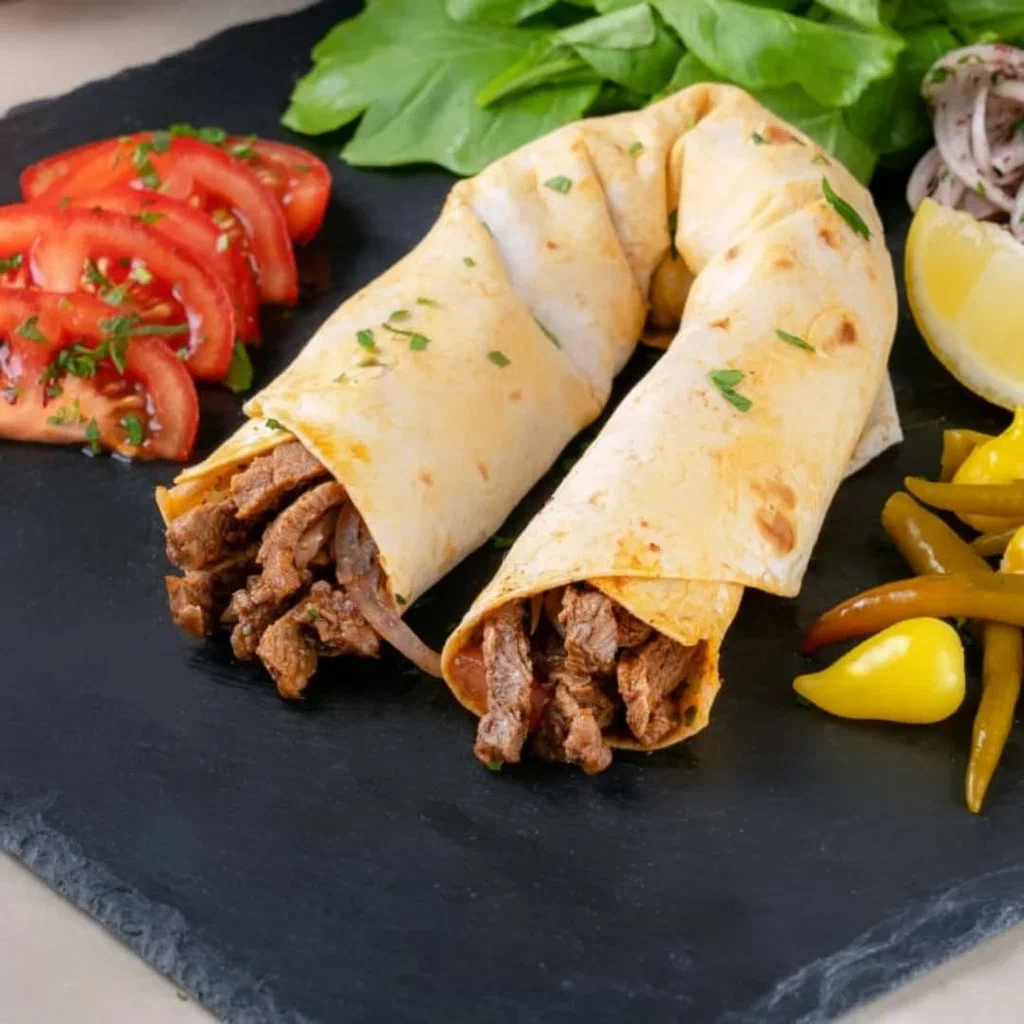
Tantuni Recipe
Ingredients
- 1 lb 450 g beef, cut into very small cubes
- 1 cup 240 ml water
- 2 tbsp neutral oil
- 1 tsp sweet paprika
- 1/2 tsp red pepper flakes optional
- 1 tsp salt or to taste
- 2 medium tomatoes finely diced
- 1 small onion thinly sliced
- 1/2 cup flat-leaf parsley finely chopped
- 1 green pepper finely sliced, optional
- 1 tsp sumac optional
- 4 large lavash breads
- 1 lemon cut into wedges
- Pickled peppers optional
Instructions
- Cut the beef into small, uniform cubes about 1/4 inch in size.
- Add the beef and water to a saucepan. Simmer for 15–20 minutes until the meat is tender and most of the water has evaporated.
- Prepare the tomatoes, onion, parsley, and optional green pepper. Rub sumac into the onion if using.
- Heat a large flat skillet or griddle over medium-high to high heat and add the oil.
- Add one portion of cooked beef with a small spoonful of cooking liquid. Season with paprika, optional red pepper flakes, and salt.
- Toss for 1–2 minutes until the beef is sizzling and coated in the seasoned juices.
- Lay one lavash over the meat for 10–15 seconds to warm and soften it.
- Place the warmed lavash on a clean surface and add the hot beef, tomato, onion, parsley, and optional green pepper.
- Squeeze a small amount of lemon over the filling and roll tightly.
- Repeat with the remaining portions and serve immediately.
Notes
Do not overcrowd the pan.
Use only a small amount of cooking liquid during the final sauté.
Use a wide, properly heated Tantuni pan.
Keep tomatoes relatively dry.
Warm lavash briefly rather than soaking it in the meat juices.
Add lemon at the end.
Serve each wrap immediately after assembly.