Meatless Raw Meatballs Recipe is an easy way to make Turkish çiğ köfte with fine bulgur, smoky Urfa pepper, tomato paste, and tangy pomegranate molasses. These richly seasoned, meat-free bulgur bites are shaped by squeezing small portions in your hand and served with crisp lettuce and lemon. Instead of spending a long time kneading the mixture, this version uses a food processor to develop its smooth, slightly chewy texture. You’ll learn how to soften the bulgur, balance the spices, keep the mixture from becoming watery, and shape çiğ köfte that holds together.
Table of Contents
- What Is Turkish Çiğ Köfte?
- Why You’ll Love This Recipe
- Ingredients
- Ingredient Notes & International Substitutions
- Equipment
- Step by Step Instructions
- Expert Tips
- Regional Variations
- Common Mistakes
- Serving Suggestions
- Storage & Reheating
- Frequently Asked Questions
- Conclusion
What Is Turkish Çiğ Köfte?
Çiğ köfte is one of the best-known specialties of southeastern Turkish cuisine, particularly associated with Şanlıurfa and the surrounding region. The Turkish name literally means “raw meatballs,” reflecting an older preparation made with raw meat and finely worked bulgur. Today, meatless versions are widely enjoyed throughout Türkiye.
Despite the name, the recipe below contains no meat at all. Its body comes from very fine bulgur, which absorbs hot water and is worked together with tomato paste, spices, olive oil, and pomegranate molasses until the mixture becomes cohesive enough to shape.
Good meatless çiğ köfte has a deep reddish-brown color, a noticeable pepper aroma, and a firm but pleasantly tender bite. It should hold the distinctive ridges left by your fingers without crumbling or feeling pasty.
The flavor is bold rather than simply hot. Urfa pepper adds a smoky, earthy warmth, pomegranate molasses brings tartness, and lemon brightens the finished mixture. Lettuce provides a cool, crisp contrast when you eat it.
Why Use a Food Processor?
Traditional çiğ köfte is associated with extended hand-kneading, which softens the bulgur and works the seasonings into every grain. A sturdy food processor can shorten that work considerably, although the mixture still needs some attention.
This method begins by soaking the bulgur, then processes it in manageable batches. The machine helps create a cohesive texture, while a brief final squeeze by hand lets you judge whether the mixture is ready to shape.
If you’ve tried Turkish lentil köfte, you’ll recognize the finger-pressed shape. The ingredients and flavors are different, though: lentil köfte gets much of its softness from cooked lentils, while this recipe relies on softened fine bulgur.
Why You’ll Love This Recipe
The pleasure of homemade çiğ köfte is being able to adjust the spice, sourness, and texture to your taste. Once the bulgur has softened, the rest of the preparation comes together without turning on the oven or standing over the stove.
- No raw meat: This is a fully meatless version made with bulgur and pantry seasonings.
- Less hands-on kneading: A food processor does most of the work traditionally done by hand.
- Bold Turkish flavors: Isot pepper and pomegranate molasses give the mixture its characteristic balance of heat and tang.
- Easy to serve: The shaped pieces work as a snack, appetizer, or part of a larger meze spread.
- Adjustable seasoning: You can taste the finished meatless mixture and gradually adjust its acidity or heat.
There’s also something satisfying about shaping the mixture. A small handful pressed between your fingers becomes the familiar ridged çiğ köfte seen in Turkish shops and home kitchens. It doesn’t need to look perfectly uniform; a smooth texture and a shape that holds are much more important.
Ingredients
Yield: 8 appetizer servings, approximately 24–32 shaped pieces depending on size.
For the Çiğ Köfte
- 400 g fine brown bulgur for çiğ köfte (approximately 2 1/2 Turkish 200 ml water glasses; use the gram weight for accuracy)
- 300 ml freshly boiled water, divided into 270 ml for the bulgur and 30 ml for the isot pepper
- 40 g isot (Urfa pepper flakes), approximately one loosely filled Turkish 100 ml tea glass, depending on the flakes
- 100 ml olive oil
- 21 g sweet paprika, approximately 3 tablespoons
- 45 g concentrated tomato paste, approximately 3 level tablespoons
- 75 ml unsweetened pomegranate molasses (nar ekşisi), approximately 5 tablespoons
- 120 g peeled yellow or white onion, approximately 1 medium onion
- 45 ml freshly squeezed lemon juice, approximately the juice of 1 medium lemon
- 5 g fine salt, approximately 1 teaspoon
For Serving
- Romaine lettuce leaves or another crisp lettuce, as needed
- Lemon wedges, as needed
- Fresh parsley, cucumber, tomatoes, or pickles, optional
Measurement note: Turkish water glasses and tea glasses vary. The metric quantities above are standardized home-recipe measurements based on the original ingredient list. In particular, weigh the bulgur and isot rather than relying on a cup or glass. Use the same measured 300 ml of water throughout; the 30 ml used for the pepper is not additional water.
Isot varies widely in heat and density. The 40 g quantity produces a generously seasoned batch. If your pepper is especially hot, begin with 20 g and add the remaining amount gradually while processing.
Ingredient Notes & International Substitutions
Fine Bulgur: The Foundation of the Texture
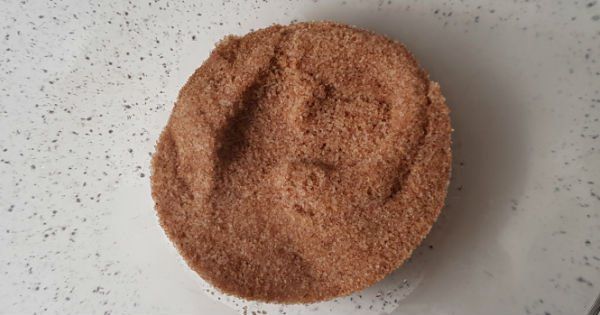
Choose çiğ köftelik bulgur, the very fine bulgur traditionally used for çiğ köfte. It’s often darker than the bulgur sold for pilaf and may be labeled “fine brown bulgur” or “extra-fine bulgur.”
Look for it in Turkish or Middle Eastern grocery stores, or in the international grain section of a well-stocked supermarket. Online shops may list it as Turkish fine bulgur for köfte.
Regular coarse bulgur is not a good direct substitute. Its larger grains absorb water differently and can stay unpleasantly firm even after processing. Bulgur is also made from wheat, so this recipe is not gluten-free.
If you’ve made Turkish bulgur pilaf, you may already have bulgur in the pantry, but check its grain size. The coarse bulgur commonly used in pilaf isn’t the variety needed here.
Isot: The Flavor of Şanlıurfa
Isot, also called Urfa biber, is a dark, dried Turkish pepper known for its earthy aroma and deep reddish-purple color. Depending on how it’s processed and stored, it may have a slightly moist, glossy appearance and a gentle smoky quality.
Its heat can vary considerably. Some batches give a slow-building warmth, while others are much hotter. This matters more than the volume of pepper in a measuring glass, which is why a kitchen scale and a cautious first addition are helpful.
Look for isot in Turkish food stores or specialty spice shops. If unavailable, combine mild red pepper flakes with a little smoked paprika for a different but workable flavor. That substitute won’t reproduce authentic isot exactly.
Tomato Paste
Use thick, concentrated tomato paste rather than tomato sauce or passata. The paste adds color, richness, and a little acidity without flooding the bulgur with liquid.
Turkish tomato paste is often labeled domates salçası. Double-concentrated tomato paste from an ordinary supermarket also works. Taste before adding extra salt if your paste is already seasoned.
Some çiğ köfte recipes include red pepper paste alongside tomato paste. This particular version keeps the original tomato-paste base and gets its pepper flavor from isot and sweet paprika.
Pomegranate Molasses
Known as nar ekşisi in Turkish, pomegranate molasses is a concentrated, tangy syrup made from pomegranate juice. Its tartness is central to the flavor of meatless çiğ köfte.
Choose a product with a short ingredient list, preferably made from concentrated pomegranate juice without substantial added sugar. Some products sold as pomegranate sauce are considerably sweeter and less tart.
If you cannot find it, a little extra lemon juice will provide acidity, but the result won’t have the same fruity depth. Add lemon gradually rather than replacing the full quantity of molasses with the same volume of juice.
Olive Oil
Olive oil helps the softened bulgur and seasonings form a pliable mixture. It also rounds out the sharpness of the lemon and pomegranate molasses.
The recipe uses 100 ml, matching the original tea-glass-style quantity under the standardized measurement assumption. A mild or medium-intensity olive oil works well. A very peppery extra-virgin oil may compete with the isot.
Onion and Lemon
Raw onion brings a savory bite, but excess onion juice can make the mixture harsh and watery. Finely chop the onion, place it in a sieve, and press out its free liquid before adding the onion pieces to the bulgur.
The aim is to keep the onion itself, not the juice. Avoid turning it into a wet puree in the processor.
Freshly squeezed lemon juice tastes brighter than bottled juice. Since lemons vary in size, measure 45 ml rather than assuming every lemon gives the same amount.
Sweet Paprika and Salt
Sweet paprika supports the pepper flavor without necessarily adding much more heat. It also contributes to the red color of the finished mixture.
The starting salt quantity is 5 g. The finished mixture can be tasted before shaping, so any small seasoning adjustment should come at the end, after the tomato paste and other flavors have been incorporated.
Equipment
- Digital kitchen scale
- Measuring jug and measuring spoons
- Large heatproof mixing bowl with a lid or plate to cover it
- Food processor with a sturdy blade and a bowl large enough for working in batches
- Sharp knife and chopping board
- Fine-mesh sieve
- Spatula
- Large mixing bowl for combining processed batches
- Serving platter
- Food-safe gloves, optional for shaping
A full-size food processor makes the job easier, but the mixture is too dense for many small machines to handle all at once. Work in two or three batches as needed, keep the mixture moving with short pulses, and follow your processor’s recommended maximum run time.
A regular blender isn’t ideal. Thick bulgur mixtures tend to stick around the blades, and adding lots of liquid just to make the blender turn will spoil the texture.
Step by Step Instructions
Step 1: Measure the Bulgur and Water
Place 400 g fine brown bulgur in a large heatproof bowl. Bring 300 ml water to a boil, then set aside 30 ml in a small heatproof cup for the isot. Pour the remaining 270 ml evenly over the bulgur.
Stir just enough to moisten the grains, cover the bowl tightly, and leave it for approximately 15 minutes. The hot water should soften the bulgur without leaving a puddle at the bottom.
When you uncover the bowl, the grains should look swollen and feel noticeably softer. They may still have a little bite, but there shouldn’t be dry, powdery patches. The mixture will become smoother once it’s worked with the other ingredients.
If some grains remain hard, cover the bowl for another five minutes before making adjustments. Adding more water immediately can produce a loose mixture that’s difficult to shape.
Step 2: Soften the Isot
While the bulgur rests, place 40 g isot in a small bowl and stir in the reserved 30 ml hot water. Leave it for about five minutes.
The pepper will darken and soften, making it easier to distribute evenly through the bulgur. Keep both the softened flakes and their soaking liquid; they’ll go into the mixture together.
If you’re unfamiliar with the heat of your isot, start with 20 g and reserve the rest. You’ll have another opportunity to taste and adjust the meatless mixture before shaping.
Step 3: Prepare the Onion Properly
Peel and finely chop 120 g onion with a knife. Transfer it to a sieve and press gently but firmly with the back of a spoon to remove excess juice.
You want small onion pieces that will disappear into the finished mixture, not a watery puree. Pressing out the liquid helps prevent an overly sharp onion taste and keeps the bulgur from becoming too wet.
Discard the drained juice. Don’t add it back to the processor later. If the chopped onion still looks excessively wet, let it sit in the sieve for a few more minutes.
Step 4: Prepare the Seasoning Mixture
Measure 45 g tomato paste, 21 g sweet paprika, 75 ml pomegranate molasses, 45 ml lemon juice, 100 ml olive oil, and 5 g salt.
Stir the tomato paste, paprika, pomegranate molasses, lemon juice, and salt together in a separate bowl until reasonably smooth. Keep the olive oil aside for gradual addition during processing.
This small preparation step makes the next stage easier. Instead of dropping thick paste into one corner of the food processor and hoping the blades distribute it, you’ll begin with a seasoning mixture that’s already blended.
Check the flavor of the tomato paste before adding any extra salt. A strongly salted paste may mean the finished çiğ köfte needs no further seasoning.
Step 5: Load the Food Processor in Manageable Batches
Fluff the softened bulgur with a fork or spoon and divide it into two or three portions, depending on the size and strength of your food processor.
Add one portion of bulgur to the processor along with the same proportion of chopped, drained onion, softened isot, and prepared seasoning mixture. Include the isot soaking liquid in these batches.
Begin with short pulses rather than a long continuous run. The mixture will look coarse at first, but the blades should gradually break down the bulgur and combine the seasonings.
If the mixture packs tightly against the sides, stop the machine, unplug it, and scrape down the bowl with a spatula before continuing. Never push food toward moving blades or reach into the processor while it is connected to power.
Step 6: Add the Olive Oil Gradually
As each batch begins to hold together, add its share of the measured 100 ml olive oil in two or three additions, pulsing between additions.
The oil should disappear into the bulgur rather than collecting in shiny pools. Adding it gradually helps you judge how the mixture is developing without masking problems caused by insufficiently softened grains.
Continue pulsing and scraping as necessary until the mixture becomes a cohesive, slightly sticky mass. Depending on your machine and batch size, this may take several minutes of intermittent processing rather than one uninterrupted ten-minute cycle.
If the motor begins to strain or the mixture becomes warm, stop and let the machine cool according to its instructions. Overloading the processor won’t improve the texture and may damage the motor.
Step 7: Bring the Processed Batches Together
Transfer each finished batch into a large bowl. Once everything has been processed, fold the batches together with a sturdy spoon or clean hand so the flavor and texture are consistent.
Take a small walnut-sized amount and squeeze it firmly in your palm. It should come together in one piece, with shallow finger marks that remain visible when you open your hand.
If it breaks into dry crumbs, first give the mixture another brief round of processing or rest it covered for five minutes. If needed, add water in tiny measured amounts; avoid pouring in a large splash.
If it feels loose or sticky enough to slump immediately, give it a covered rest so the bulgur can absorb remaining moisture. Don’t automatically add a large quantity of dry bulgur, which may remain hard in the finished food.
Step 8: Adjust the Flavor
Because this version contains no raw meat, you can taste a small portion of the finished mixture before shaping, provided it has been handled hygienically.
The flavor should be savory, tart, and peppery, with a noticeable but balanced warmth from the isot. If the mixture tastes flat, it may need a small amount of additional lemon or pomegranate molasses. If it’s too sharp, allow it to rest briefly before deciding whether to adjust it.
For more heat, add a little of the reserved isot and pulse or mix until evenly distributed. Try not to make several large adjustments at once; the pepper and acidity will be easier to judge when added gradually.
Step 9: Let the Mixture Settle
Cover the bowl and let the prepared çiğ köfte rest for about 10 minutes. This gives any remaining moisture time to distribute through the bulgur and makes shaping easier.
The mixture should feel soft but dense, not runny. When pressed, it should hold together without sticking heavily to your fingers.
If you’re not serving it soon, refrigerate promptly rather than leaving it on the counter. A brief chill can make shaping more comfortable, although the mixture should remain pliable enough to squeeze.
Step 10: Shape the Çiğ Köfte
Take a walnut-sized piece, approximately 30–40 g depending on your preferred serving size. Place it in your palm and close your fingers around it with a gentle, firm squeeze.
As your fingers press into the mixture, they’ll leave the familiar ridged pattern. Release the piece carefully and place it on a platter. Repeat with the remaining mixture.
Clean hands or food-safe gloves both work. If the mixture sticks, lightly moisten your palms rather than adding a noticeable layer of extra oil, which would change the recipe’s measured ingredients.
Don’t worry about producing identical shapes. A piece that holds its ridges and doesn’t crumble is more important than perfect uniformity.
Step 11: Serve With Lettuce and Lemon
Arrange the shaped çiğ köfte on a platter with washed, thoroughly dried lettuce leaves and lemon wedges.
To eat, place one piece inside a lettuce leaf, squeeze over a little lemon, and wrap the leaf around it. The crisp lettuce helps balance the richly seasoned bulgur.
Fresh parsley, sliced cucumbers, tomatoes, or pickles can be served alongside. Keep the platter cool and refrigerate any portions that won’t be eaten promptly.
Expert Tips
Choose Bulgur by Grain Size, Not Just Color
Dark bulgur is often associated with çiğ köfte, but the important feature is how finely it’s cracked. A product labeled specifically for çiğ köfte is a safer choice than ordinary bulgur of an unfamiliar grade. The finer grains soften more evenly and process into the characteristic texture without excessive added water.
Use the Processor’s Pulse Function
Short bursts give you time to check the mixture and protect the motor from a dense load. Work in batches rather than relying on the machine to pull a heavy, compact mass through the blades.
Balance Sourness After the Texture Is Right
The flavor becomes easier to judge once the bulgur, oil, and seasonings are evenly combined. Extra lemon or pomegranate molasses added too early can make the mixture wetter than necessary, especially when using a thin commercial pomegranate sauce.
Keep the Lettuce Crisp
After washing, dry lettuce leaves well and refrigerate them until serving. A chilled, crisp leaf gives a much more pleasant contrast to the dense, spicy çiğ köfte than wet, limp lettuce.
Regional Variations
Traditional Hand-Kneaded Çiğ Köfte
In traditional preparations, fine bulgur and seasonings are worked by hand over an extended period until the grains soften and the mixture becomes cohesive. Some older regional versions include raw meat, but that is a different preparation from the meatless recipe here and presents food-safety considerations not addressed by this method.
The food processor offers a more accessible approach for home cooks who want the familiar meatless flavor without prolonged hand-kneading.
Versions With Red Pepper Paste
Some recipes include Turkish red pepper paste, or biber salçası, alongside tomato paste. It gives additional pepper depth and can contribute salt and heat. If you experiment with it, remember that different brands vary widely in concentration and seasoning.
Other Bulgur-Based Turkish Dishes
Fine bulgur is also central to Turkish kısır, a bright salad made with herbs, vegetables, and tangy dressing. Both dishes use bulgur and similar pantry flavors, but kısır remains loose and salad-like, while çiğ köfte is processed and shaped into compact pieces.
Common Mistakes
1. Using Coarse Bulgur
Coarse grains can remain chewy and resist forming a smooth, shaped mixture. Processing longer may not fix the problem. Choose very fine bulgur intended for çiğ köfte from the beginning.
2. Adding Too Much Water
The mixture can look dry while the bulgur is still absorbing moisture. Adding a large amount of water too soon may turn it into a paste that won’t keep its finger marks. Allow time for hydration before adjusting.
3. Processing Everything at Once
A packed processor bowl prevents even movement around the blade and may strain the motor. Smaller batches give the mixture room to circulate and make it easier to see how the texture is changing.
4. Leaving Onion Juice in the Mixture
Excess onion liquid can make the mixture harsh and wet. Finely chop and drain the onion before adding it. The onion pieces provide enough flavor without needing their extracted juice.
5. Making Large Seasoning Adjustments
Strong isot and concentrated pomegranate molasses can quickly dominate the flavor. Taste after mixing, then adjust in small amounts. A balanced çiğ köfte should taste savory, tart, and warm rather than overwhelmingly sour or hot.
6. Shaping Before the Mixture Holds Together
If the pieces split as you squeeze them, the bulgur may need more processing or a brief covered rest. Check the texture with one test piece before shaping an entire platter.
Serving Suggestions
In Türkiye, meatless çiğ köfte is commonly enjoyed with lettuce, lemon, and fresh vegetables. The lettuce acts almost like an edible wrapper: place a piece inside, add a little lemon juice, and fold it around the bulgur.
For an appetizer spread, arrange the shaped pieces around a platter of crisp leaves, cucumber slices, tomatoes, and pickles. Ayran is a refreshing drink alongside the peppery mixture.
If you’re preparing a larger Turkish meze table, Turkish haydari makes a creamy, tangy contrast. Serve it separately rather than mixing it into the çiğ köfte.
Small portions also work well inside lavash with lettuce, lemon, and fresh herbs. This is a convenient way to turn an appetizer into a more substantial snack.
Storage & Reheating
Refrigerating Meatless Çiğ Köfte
Although it contains no meat, this recipe includes hydrated bulgur, fresh onion, and other moist ingredients, so it should be treated as a perishable prepared food.
Transfer leftovers promptly to an airtight container and refrigerate at 4°C (40°F) or below. Don’t leave the prepared mixture at room temperature for more than two hours, or more than one hour in very hot conditions above 32°C (90°F).
For best texture and freshness, plan to eat it within two to three days. Keep lettuce and other fresh serving vegetables separately so they stay crisp.
Can You Freeze It?
Freezing is possible, but the texture may change when thawed. The bulgur can become softer and lose some of the firmness needed for clean finger-pressed ridges.
If you freeze it, use an airtight freezer-safe container and thaw it in the refrigerator. After thawing, stir or briefly work the mixture together and assess its texture before shaping or serving. For the best eating quality, make it fresh whenever practical.
Should Çiğ Köfte Be Reheated?
No. Meatless çiğ köfte is normally served cool or at a comfortable room temperature, not heated like cooked meatballs. Reheating it would change its texture and the freshness of the seasonings.
Frequently Asked Questions
1. Does meatless çiğ köfte contain raw meat?
No. This version is made from fine bulgur, onion, tomato paste, spices, olive oil, lemon, and pomegranate molasses. Traditional recipes containing raw meat exist, but they use a different ingredient list and preparation. The recipe here is completely meat-free.
2. Is Turkish çiğ köfte vegan?
The ingredients in this recipe are plant-based, making it suitable for a vegan diet when the packaged products contain no animal-derived additives. Check labels on prepared pomegranate sauces and specialty seasonings if you need strict vegan assurance.
3. What type of bulgur should I use?
Choose very fine bulgur labeled çiğ köftelik bulgur, preferably fine brown bulgur. Coarse bulgur intended for pilaf has larger grains and won’t soften or bind in quite the same way. The grain size matters more than whether the bulgur is simply described as brown.
4. Can I make çiğ köfte without a food processor?
Yes, but you’ll need to work the softened bulgur and seasonings by hand until they develop a cohesive texture. This can take considerably longer than the processor method. The present recipe is specifically written for a sturdy food processor, so its processing times don’t translate directly into hand-kneading times.
5. What can I use instead of isot?
A mixture of mild red pepper flakes and a little smoked paprika provides some heat and smoky depth, though it won’t taste exactly like Urfa isot. Start cautiously because pepper products vary. The dark, earthy flavor of genuine isot is worth seeking out when possible.
6. Can I replace pomegranate molasses with lemon juice?
Lemon juice can add acidity, but it lacks the concentrated fruit flavor and slight sweetness of unsweetened pomegranate molasses. If necessary, increase the lemon a little at a time and taste the mixture. Don’t assume an equal-volume substitution will give the same balance or consistency.
7. Why won’t my çiğ köfte hold its shape?
The bulgur may be too coarse, insufficiently softened, or not processed enough. Excess moisture can cause the opposite problem, making the mixture slump rather than hold finger marks. Test a small piece after processing and resting before adjusting the recipe.
8. Is çiğ köfte supposed to be very spicy?
It should have a noticeable pepper flavor, but the heat can be adjusted. Isot varies widely between brands, so starting with a smaller quantity and adding more after tasting gives better control. A well-balanced version also has tangy, savory notes rather than heat alone.
9. Do I need to knead the mixture after using the processor?
No extended hand-kneading is required. Once the batches are processed and combined, a little folding and squeezing helps check the consistency and distribute the flavors. If the mixture is already smooth and holds its shape, you can move directly to resting and shaping.
10. How long does homemade meatless çiğ köfte last?
For this moist, homemade version, two to three days in the refrigerator is a sensible quality target. Keep it covered at 4°C (40°F) or below and refrigerate promptly after preparation. Discard it if it has been left unrefrigerated too long, even if it still looks normal.
11. Can I prepare çiğ köfte the day before serving?
Yes. Prepare the mixture, cover it well, and refrigerate it overnight. Shape it shortly before serving if you prefer fresh finger ridges, or arrange already shaped pieces in a sealed container. Keep the lettuce, lemon, and other vegetables separate until serving time.
12. What should I serve with Turkish çiğ köfte?
Crisp lettuce leaves and lemon wedges are the classic choices for this version. Fresh parsley, tomatoes, cucumbers, pickles, and lavash are also suitable. For a larger meal, add other Turkish meze dishes and a cold glass of ayran.
Conclusion
Meatless çiğ köfte brings together fine bulgur, Urfa pepper, tart pomegranate molasses, and a distinctive finger-pressed shape. With a food processor and careful control of moisture, you can make this popular Turkish appetizer without the traditional long kneading process.
Serve it cool with lettuce and lemon, and explore more Turkish meze recipes for your next appetizer spread.

Turkish Style Raw Meatball Recipe
Ingredients
Ingredients for Meatless Raw Meatballs Recipe
- 2,5 Water glass brown bulgur
- 1,5 Water glass Hot Water
- 1 Tea cup İsot (Red pepper)
- 1 Tea cup olive oil
- 3 tablespoon sweet paprika powder
- 3 Tablespoon tomato paste
- 5 Tablespoon pomegranate syrup (sour syrup)
- 1 number Onion
- 1 number Lemon Juice
- 1 Tea spoon Salt
Instructions
The Tip of Meatless Raw Meatballs Recipe
- While passing it through the robot, continue to operate by stopping your robot from time to time and cleaning the materials sticking to the blades so that all materials are blended with each other. If the consistency is too thick, you can add olive oil. You can adjust the bitterness and sourness level according to your taste.
How to Make Meatless Raw Meatballs Recipe?
- Take the bulgur in a deep bowl and pour 1.5 glasses of hot water on it. Cover it and let it sit for 10 minutes.

- While the bulgur is rising, pull the onion from the robot and press it in a wire strainer to squeeze out the juice.

- Take the isot or chili pepper in a bowl and add hot water to it and let it sit for 5 minutes.

- After the bulgur rises, put the puffed bulgur in the food processor and add the onion, soaked isot (with its juice), lemon juice, pomegranate syrup, olive oil, salt, tomato paste and red pepper from the robot, and grind it for 10 minutes, stopping it from time to time.

- Then take it in a bowl and knead it in your hands for a few more minutes and shape it.

- Serve with lots of lettuce, tomato and lemon. Good luck!