How to Make Rich, Homemade Turkish Pepper Paste from Scratch
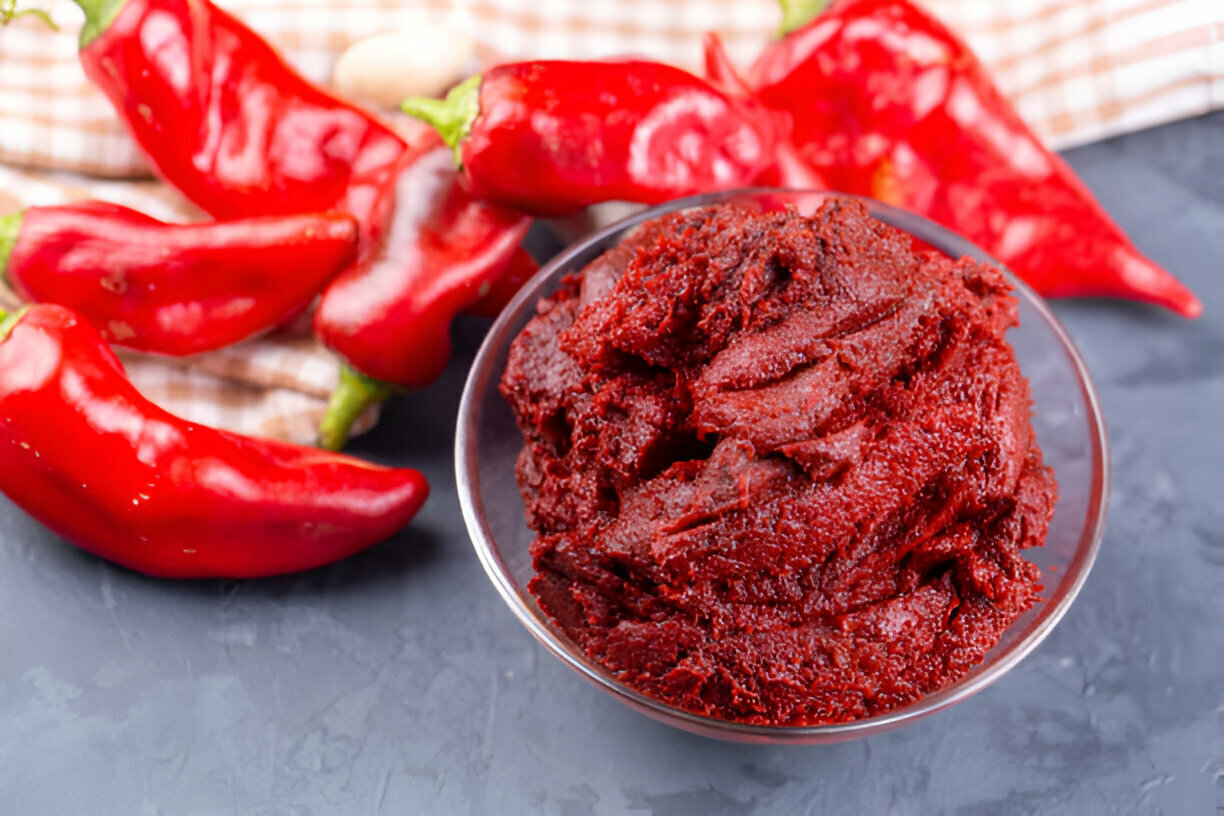
Turkish Red Pepper Paste, known as biber salçası, is one of the most essential flavor foundations in Turkish cuisine. Deep, rich, and intensely aromatic, this vibrant red paste is not just an ingredient—it’s a culinary tradition passed down through generations.
In Anatolian villages, especially in late summer, families prepare large batches of pepper paste using sun-ripened red peppers. The process is slow and intentional: peppers are crushed, salted, and left under the sun for days until they transform into a thick, concentrated paste. Today, while traditional sun-drying is still practiced, modern home cooks often use stovetop methods to achieve a similar depth of flavor in less time.
What makes homemade Turkish red pepper paste special is its balance of sweetness, natural umami, and subtle smokiness. Unlike store-bought versions, homemade salça has no additives and delivers a fresher, more complex taste. It’s the secret behind iconic dishes like Turkish Shakshuka, adds depth to Tarhana Soup , and enhances fresh mezes like Turkish Meze Haydari.
Whether you spread it on warm bread with olive oil or stir it into stews and marinades, this paste brings authentic Turkish flavor into your kitchen in the most powerful way.
What Is Turkish Red Pepper Paste (Biber Salçası)?
Turkish red pepper paste (biber salçası) is a thick, concentrated condiment made by cooking down sweet red peppers (and sometimes hot peppers) until they form a rich, deep red paste. It is widely used in Turkish cuisine to add color, depth, and a slightly sweet, smoky flavor to dishes like stews, soups, and mezes.
Ingredients
- 4.5 lbs (2 kg) sweet red peppers (preferably kapya or red bell peppers)
- ½ lb (250 g) hot red peppers (optional, adjust to taste)
- 1–1.5 tbsp salt
- 2–3 tbsp olive oil
Optional substitutions:
- Use only sweet peppers for a mild version
- Add a pinch of smoked paprika for a subtle smoky depth (non-traditional but effective)
Instructions
Step 1: Prepare the Peppers
Wash all peppers thoroughly, then remove stems and seeds. Cutting them into large chunks helps them cook evenly and prevents bitterness from seeds and membranes. At this stage, the peppers should look vibrant and juicy, with a fresh, slightly grassy aroma.
Step 2: Cook the Peppers Down
Transfer the chopped peppers into a large pot over medium heat. As they cook (about 20–25 minutes), they will release their natural juices and begin to soften. Stir frequently to prevent scorching—proper cooking at this stage ensures the paste develops a naturally sweet and balanced flavor instead of a burnt taste.
Step 3: Blend Until Smooth
Once fully softened, blend the peppers into a smooth purée using a blender or food processor. The texture should be thick but pourable, with a bright red color. This step is crucial for achieving that signature velvety consistency found in authentic biber salçası.
Step 4: Reduce Slowly
Return the purée to the pot and cook over low heat for 30–45 minutes. Stir regularly as the mixture thickens—this slow reduction evaporates excess water and concentrates flavor. You’ll notice the paste becoming darker, thicker, and more aromatic, with a rich, slightly jam-like texture.
Step 5: Salt and Finish
Add salt once the paste has thickened. This not only enhances flavor but also acts as a natural preservative. Finally, stir in olive oil for richness and to help seal the paste during storage. The finished paste should be thick enough to hold its shape on a spoon.
Expert Tips for Perfect Biber Salçası
- Use fully ripe peppers: They provide better sweetness and deeper color
- Low heat is key: High heat can dull the vibrant red color and create bitterness
- Stir constantly during reduction: Prevents burning and ensures even consistency
- Control thickness: The paste should be thick but spreadable—not dry or runny
- Add olive oil on top when storing: Creates a protective seal against air
- Roasting option: Roasting peppers first adds a smoky, deeper flavor
- Avoid excess water: Too much moisture leads to spoilage and weak flavor
Serving & How to Use
Turkish red pepper paste is incredibly versatile and used across countless dishes:
- Stir into soups like İşkembe Çorbası for depth
- Add to bulgur dishes like Kısır for color and flavor
- Mix into yogurt-based dips like Cacık for a bold twist
- Use as a marinade base for kebabs
- Spread on bread with olive oil for a simple, rustic snack
👉 This paste is also essential in dishes like Turkish Shakshuka, and pairs beautifully with fresh mezes such as Turkish Meze Haydari and refreshing yogurt dishes like Cacık.
Storage & Make-Ahead
- Store in sterilized glass jars in the refrigerator
- Cover the surface with olive oil to extend shelf life
- Keeps for up to 6–12 months when properly stored
- Freeze in small portions for long-term use
- Always use a clean spoon to avoid contamination
Frequently Asked Questions
Can I use only sweet peppers?
Yes. This creates a mild, slightly sweet version that’s commonly preferred for everyday cooking.
Why is my paste too watery?
It hasn’t reduced enough. Continue cooking on low heat until thickened.
Can I roast instead of boiling?
Yes. Roasting adds a smoky flavor and slightly deeper color.
Can I sun-dry it traditionally?
Absolutely. Spread the purée on trays and dry under sunlight for 2–3 days.
How do I know it’s ready?
It should be thick, glossy, and hold its shape when spooned.
Can I make it without oil?
Yes, but oil helps preserve it longer and improves texture.
Advanced FAQs About Turkish Red Pepper Paste
Is Turkish red pepper paste the same as tomato paste?
No. While both are concentrated pastes, biber salçası has a sweeter, deeper, and slightly smoky flavor compared to tomato paste, which is more acidic and sharp.
What peppers are best for biber salçası?
Kapya peppers are traditionally used because they are naturally sweet, fleshy, and have a deep red color. Red bell peppers are a good substitute in the U.S.
Why is my pepper paste turning brown?
This usually happens بسبب high heat. Cooking too fast can dull the color and affect flavor. Always cook slowly over low heat.
Can I make Turkish pepper paste without cooking?
Yes. The traditional method involves sun-drying the pepper purée for several days, which creates a more intense and slightly fermented flavor.
How thick should the paste be?
It should be thick enough to hold its shape on a spoon but still spreadable, similar to a dense tomato paste.
What is the difference between sweet and spicy salça?
Sweet salça uses only mild peppers, while spicy salça includes hot peppers for a stronger, more intense flavor.
Closing Thoughts
Homemade Turkish Red Pepper Paste is more than just a condiment—it’s a cornerstone of Turkish cooking. Once you taste the depth, richness, and authenticity of your own biber salçası, it becomes an essential ingredient you’ll reach for again and again.
Turkish Red Pepper Paste (Biber Salçası)
Ingredients
- 4.5 lbs (2 kg) sweet red peppers (kapya peppers preferred for authentic flavor; red bell peppers can be used)
- ½ lb (250 g) hot red peppers (optional, adjust based on spice preference)
- 1.5 tbsp salt for preservation and flavor
- 2-3 tbsp olive oil for richness and storage seal
Instructions
- Wash the peppers thoroughly, remove stems and seeds, and cut into large chunks. This prevents bitterness and ensures a clean, naturally sweet flavor.
- Place the chopped peppers in a large pot over medium heat. Cook for 20–25 minutes, stirring occasionally, until the peppers soften and release their juices. They should look wilted and glossy.
- Transfer the softened peppers to a blender or food processor and blend until completely smooth. The mixture should be thick but pourable with a vibrant red color.
- Return the purée to the pot and cook over low heat for 30–45 minutes. Stir frequently to prevent burning. As the water evaporates, the mixture will thicken and develop a deeper red color and concentrated aroma.
- Add salt once the paste thickens. Continue cooking until the paste reaches a spreadable, thick consistency that holds its shape.
- Stir in olive oil and mix well. Let the paste cool completely before transferring to sterilized jars.
Notes
- Always cook on low heat to preserve color and avoid bitterness
- Store with a thin layer of olive oil on top to extend shelf life