Turkish döner kebab, or döner kebap (Turkish Doner Recipe) , is one of Turkey’s most iconic street foods: thin slices of marinated meat, cooked until juicy inside and lightly crisp outside, then served in lavash, pide bread, over rice, or on a plate with salad and pickles.
This homemade version focuses on the real flavor of Turkish döner rather than treating it as ordinary shawarma. You do not need a vertical rotisserie. With the right meat, a balanced marinade, tight shaping, chilling, and thin slicing, you can make a satisfying Turkish-style döner kebab at home.
What Is Turkish Döner Kebab?
Döner kebab is a Turkish meat dish made from seasoned layers of lamb, beef, chicken, or a mixture of meats. Traditionally, the meat is stacked on a vertical spit, slowly roasted as it turns, then shaved into thin slices. The word döner comes from the Turkish verb meaning “to turn,” referring to the rotating cooking method.
In Turkey, döner is not only a wrap. It can be served as ekmek arası döner in bread, dürüm döner wrapped in lavash, pilav üstü döner over buttery rice, or as a plated meal with tomatoes, onions, pickles, and yogurt. If you enjoy Turkish meat dishes, this recipe belongs naturally beside other classics such as Turkish kebab recipes, Adana kebab, and İskender kebab.
The goal of homemade döner is not to copy a restaurant machine perfectly. The goal is to recreate the same core qualities: thin slices, deep savory flavor, juicy meat, lightly crisp edges, and a clean Turkish spice profile.
Why This Homemade Turkish Doner Recipe Works
Most home döner recipes fail for one simple reason: the meat is cooked like ordinary grilled meat instead of being shaped, chilled, sliced, and seared like döner. In a real döner shop, the meat is compacted tightly on a spit. At home, we imitate that structure by marinating the meat, shaping it firmly, chilling or partially freezing it, and slicing it thinly before cooking.
This method gives you three important advantages:
- Thin slices: Partially chilled meat is easier to slice very thinly.
- Better texture: Tight shaping helps the meat cook more like döner instead of separate pan-fried strips.
- Crispy edges: High-heat searing creates the browned edges people expect from Turkish döner kebab.
This recipe also avoids overpowering the meat with too many spices. Turkish döner should taste savory, meaty, slightly smoky, and aromatic. It should not taste like a heavy spice paste. Cumin, paprika, black pepper, garlic, onion, yogurt, and olive oil are used carefully so the meat remains the star.
Is Döner the Same as Shawarma?
Döner and shawarma are related, but they are not exactly the same dish. Both are made from stacked or layered meat cooked on a rotating spit, but their seasoning, serving style, and cultural background are different.
Turkish döner usually has a cleaner meat-forward flavor. It is often served with lavash, Turkish bread, rice, sumac onions, tomatoes, pickles, and sometimes yogurt-based sauces. Shawarma, common across the Middle East, often uses a warmer spice profile with ingredients such as cardamom, cloves, cinnamon, or allspice, depending on the region.
For SEO and accuracy, this recipe focuses on authentic Turkish döner kebab. Shawarma is mentioned only for comparison because many people search for both dishes together. If you want a Turkish street-food style result, keep the flavor simple, slice the meat thinly, and serve it with Turkish-style sides.
Best Meat for Turkish Döner
The best meat depends on the version you want to make. In Turkey, döner can be made with lamb, beef, chicken, or a combination. For home cooking, chicken thighs are the easiest and most forgiving. Beef and lamb give a deeper, more traditional kebab-shop flavor, but they need careful slicing and enough fat to stay juicy.
Chicken Döner
Chicken thighs are ideal because they stay moist during high-heat cooking. Chicken breast can be used, but it dries out more quickly. If you prefer a lighter version, use a mix of thighs and breast rather than breast alone.
Beef Döner
For beef döner, choose a tender cut with some fat, such as ribeye, sirloin, or thinly sliced steak. Very lean beef can become dry and chewy. The slices should be thin enough to cook quickly and brown at the edges.
Lamb Döner
Lamb gives the richest and most traditional flavor. Boneless lamb shoulder or leg can work well when sliced thinly. If you enjoy lamb-based Turkish dishes, you may also like kuzu tandır or Oltu cağ kebabı.
Ingredients and Why They Matter
This ingredient list is designed for a practical homemade Turkish döner kebab. It keeps the flavor authentic, balanced, and easy to reproduce in a home kitchen.
For the Meat
- 2 lb chicken thighs, beef, or lamb, thinly sliced: Thin slices cook quickly and develop crisp edges. Chicken thighs are the easiest option for beginners.
- 1 small onion, grated: Onion juice tenderizes the meat and adds classic Turkish kebab flavor.
- 3 cloves garlic, finely grated: Garlic gives depth without overpowering the meat.
- 3 tablespoons plain yogurt: Yogurt helps tenderize chicken and gives the marinade body. For beef or lamb, use it lightly so the meat flavor remains clear.
- 3 tablespoons olive oil: Oil carries the spices and helps the meat brown during cooking.
- 1 tablespoon tomato paste: Adds color, umami, and gentle sweetness.
- 1 teaspoon sweet paprika: Gives warmth and color without making the dish too spicy.
- 1 teaspoon ground cumin: Adds earthy Turkish kebab aroma.
- 1 teaspoon salt: Essential for flavor and proper seasoning.
- 1/2 teaspoon black pepper: Adds mild heat and balance.
- 1/2 teaspoon dried oregano or thyme: Optional, but useful for a subtle Anatolian aroma.
- 1 teaspoon lemon juice: Brightens the marinade. Do not use too much, or the meat can become mushy.
For Serving
- Lavash or Turkish flatbread: Best for dürüm-style döner. You can also serve it with Turkish balloon bread.
- Tomatoes: Freshness balances the rich meat.
- Sumac onions: Thinly sliced onions mixed with sumac and parsley are classic with Turkish kebabs.
- Pickled cucumbers: Their acidity cuts through the fat.
- Rice or fries: Optional, especially for plate-style döner.
- Yogurt sauce or plain yogurt: Optional. Turkish döner does not always need sauce, but yogurt works well at home.
Equipment You Need
You do not need a professional döner machine for this recipe. The most important tools are simple kitchen items that help you slice thinly and cook with strong heat.
- Sharp knife: Essential for thin döner-style slicing.
- Mixing bowl: For preparing and coating the meat evenly.
- Plastic wrap or parchment paper: Helps shape the marinated meat into a tight log before chilling.
- Cast-iron skillet or heavy pan: Best for browning and crisping the meat.
- Tongs: Useful for turning thin slices quickly.
- Optional baking tray: Helpful if you want to roast the shaped meat before slicing.
Kitchen note: For the most döner-like texture, shape the marinated meat into a compact log, wrap it tightly, and chill it well before slicing. This step makes a bigger difference than adding more spices.
How to Make Turkish Döner Kebab at Home
Homemade Turkish döner is all about three things: a balanced marinade, very thin slicing, and high-heat cooking. Since most home kitchens do not have a vertical rotisserie, this method uses a tightly shaped meat log and a hot skillet to create juicy slices with crisp edges.
Step 1: Prepare the Marinade
In a large mixing bowl, combine the grated onion, garlic, yogurt, olive oil, tomato paste, paprika, cumin, black pepper, salt, dried thyme, and lemon juice. Mix until you have a smooth, reddish marinade.
For the best texture, squeeze the grated onion slightly before adding it. You want the onion juice and fine pulp, not large watery pieces. Onion gives döner its familiar Turkish kebab aroma and helps tenderize the meat naturally.
Step 2: Coat the Meat
Add the thinly sliced chicken, beef, or lamb to the bowl. Massage the marinade into every slice so the meat is fully coated. Do not rush this step. Each piece should be glossy, seasoned, and flexible.
If using chicken thighs, trim away large pieces of excess skin or hard fat, but do not remove all the fat. A little fat is important because it keeps the döner juicy during high-heat cooking.
Step 3: Marinate Properly
Cover the bowl and refrigerate for at least 4 hours. For deeper flavor, marinate overnight. Chicken usually needs 4–8 hours, while beef and lamb benefit from 8–12 hours.
Avoid marinating the meat for more than 24 hours, especially if you use lemon juice and yogurt. Too much acid can soften the surface too much and make the cooked meat lose its firm döner-like texture.
Step 4: Shape the Meat into a Tight Log
Lay a large piece of plastic wrap or parchment paper on your counter. Place the marinated meat slices in the center, stacking them tightly on top of each other. Try to keep the meat compact, like a small loaf.
Roll the wrap around the meat and twist both ends firmly. Press and shape it into a tight cylinder. This step is important because it imitates the compact structure of döner meat on a vertical spit.
Place the wrapped meat log in the freezer for 1–2 hours, just until firm but not completely frozen. The goal is to make it solid enough to slice thinly.
Step 5: Slice Thinly
Unwrap the chilled meat and place it on a cutting board. Using a sharp knife, shave the meat into very thin slices. Thin slices are one of the biggest differences between döner and ordinary grilled meat.
If the meat softens while slicing, return it to the freezer for 15–20 minutes. Cold meat is much easier to slice cleanly.
Step 6: Cook on High Heat
Heat a cast-iron skillet or heavy pan over medium-high to high heat. Add a small amount of oil only if your meat is very lean. Place the döner slices in the pan in a single layer.
Cook quickly, turning the slices as they brown. Do not overcrowd the pan. If you add too much meat at once, it will release water and steam instead of browning.
Cook each batch until the meat is fully cooked, lightly crisp at the edges, and browned in spots. Chicken should be cooked through completely. Beef and lamb should be cooked according to your preferred doneness, but thin döner slices usually cook very quickly.
Step 7: Rest Briefly Before Serving
Transfer the cooked döner to a warm plate and let it rest for 2–3 minutes. This short rest keeps the meat juicy and allows the surface heat to settle.
Serve immediately in warm lavash, Turkish bread, over rice, or as a plate with sumac onions, tomatoes, pickles, and yogurt.
Expert Tips for Better Homemade Döner
- Use thigh meat for chicken döner: Chicken thighs stay much juicier than breast meat.
- Do not skip chilling: Partially freezing the meat makes thin slicing much easier.
- Slice against the grain: This keeps beef and lamb tender.
- Cook in small batches: Browning is essential for real döner flavor.
- Use a heavy pan: Cast iron gives better caramelization than a thin nonstick pan.
- Keep the spice profile simple: Turkish döner should taste like seasoned meat, not curry or shawarma paste.
- Warm the bread: Cold lavash tears easily and makes the wrap less enjoyable.
Common Mistakes to Avoid
Using Thick Meat Slices
Thick slices cook like regular grilled meat, not döner. The thinner the slices, the closer the texture will be to Turkish street-style döner.
Overloading the Marinade with Spices
Authentic Turkish döner is not supposed to taste heavily spiced. Too much cinnamon, coriander, cardamom, or clove pushes the flavor closer to shawarma instead of Turkish döner.
Skipping the Resting and Chilling Step
If you cook the meat immediately after marinating, you will get tasty meat strips, but not döner-style slices. Chilling helps the meat hold together and slice thinly.
Cooking on Low Heat
Low heat makes the meat release water. Döner needs strong heat so the slices brown quickly and develop crisp edges.
Adding Too Much Yogurt
Yogurt helps tenderize, but too much can make the meat wet and prevent browning. Use enough to coat the meat lightly, not drown it.
Alternative Home Cooking Methods
Skillet Method
This is the easiest and most reliable method for home kitchens. Thin slices are cooked quickly in a hot pan until browned and juicy. It gives the best balance of speed, flavor, and texture.
Oven Method
Preheat the oven to 425°F or 220°C. Spread the thinly sliced meat on a lined baking tray in a single layer. Roast until cooked through and browned at the edges. For extra crispness, finish under the broiler for 1–2 minutes.
Air Fryer Method
Place the sliced meat in the air fryer basket in a thin layer. Cook at 390°F or 200°C for 8–12 minutes, shaking once halfway through. This method works especially well for chicken döner, but avoid overcrowding the basket.
Oven-Skewer Method
For a more visual homemade döner style, stack marinated chicken or meat slices tightly on a vertical skewer or oven-safe spit setup. Roast until cooked, then shave the outer browned layer. This method takes more effort but gives a closer restaurant-style feeling.
Preparing the Serving Base
While the meat cooks, prepare your bread and toppings. Warm lavash or flatbread in a dry skillet for a few seconds on each side. This makes it flexible and easier to roll.
For classic sumac onions, mix thinly sliced onion with a pinch of salt, sumac, chopped parsley, and a few drops of lemon juice. Let it rest for 5–10 minutes before serving. The onions should be bright, tangy, and slightly softened.
For plate-style döner, prepare rice, fries, or a simple salad before cooking the meat. Döner is best eaten hot, so the sides should be ready first.
Serving Suggestions
Turkish döner kebab is incredibly versatile and can be served in several traditional ways. Whether you enjoy it as a quick street-food wrap or a full restaurant-style meal, fresh ingredients and warm bread make all the difference.
Dürüm Döner (Lavash Wrap)
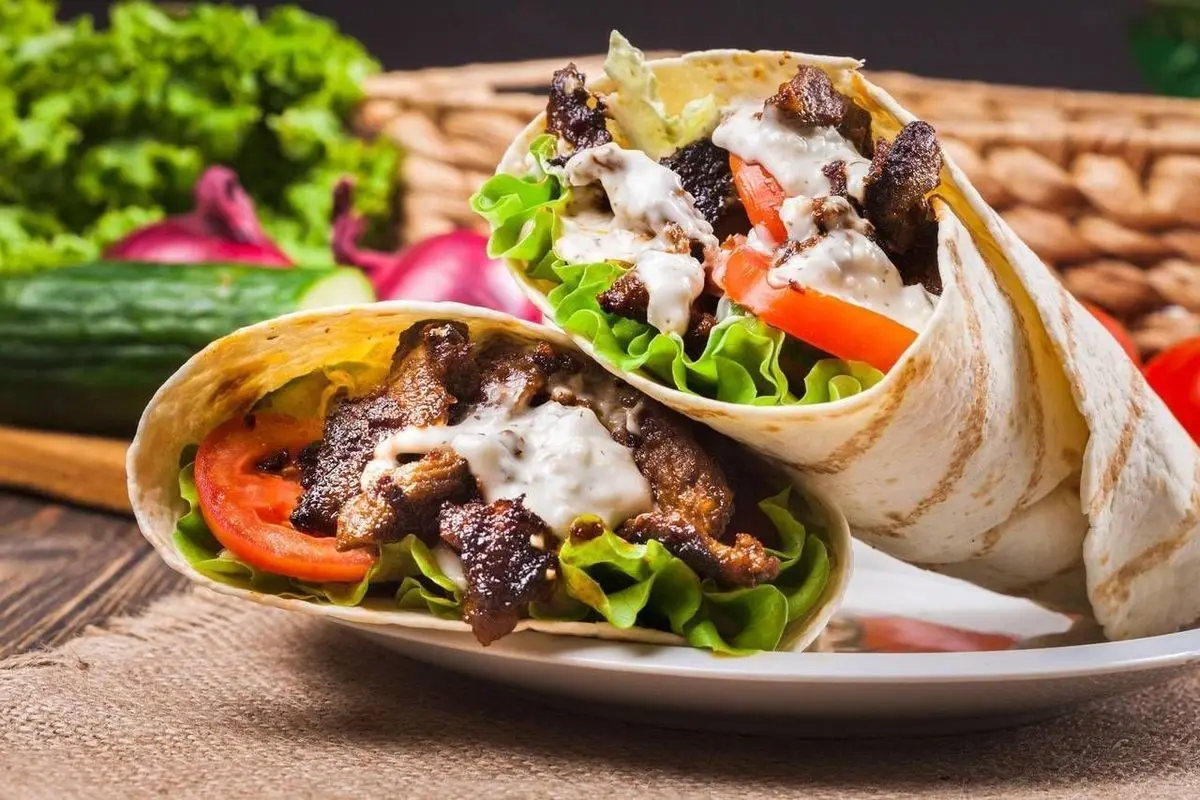
The most popular serving style is wrapped in warm lavash with thinly sliced tomatoes, crisp lettuce, tangy sumac onions, pickled cucumbers, and a spoonful of plain yogurt or garlic yogurt sauce. Roll tightly and serve immediately while the meat is still hot.
Ekmek Arası Döner
Serve the sliced meat inside freshly baked Turkish bread with tomatoes, onions, lettuce, and pickles. For an authentic bakery-style experience, try making your own Turkish Balloon Bread.
Pilav Üstü Döner
For a traditional restaurant presentation, serve the meat over buttery Turkish rice pilaf with grilled peppers, roasted tomatoes, and a side of plain yogurt. Pair it with this delicious Turkish Rice Recipe for a complete meal.
Family Dinner Plate
Arrange the döner slices on a large serving platter surrounded by fresh salad, grilled vegetables, fries, rice, warm bread, and yogurt sauce. This style is perfect for sharing.
Best Side Dishes for Turkish Döner
Complete your homemade Turkish döner kebab with traditional Turkish side dishes.
- Turkish Cacık (Tzatziki)
- Turkish Red Pepper Paste
- Homemade Pickled Cucumbers
- Traditional Kisir Salad
- Turkish Rice Pilaf
- Fresh Turkish Bread
How to Store Leftover Döner
Homemade döner stores surprisingly well when cooled properly.
Refrigerator
Allow the cooked meat to cool completely before transferring it to an airtight container. Refrigerate for up to 4 days.
Freezer
Freeze cooked döner in freezer-safe containers or zip-top bags for up to 3 months. Divide into meal-sized portions before freezing for easier reheating.
For the best texture, freeze only the meat. Store bread and vegetables separately.
How to Reheat Turkish Döner
Avoid microwaving whenever possible because it softens the crispy edges.
Skillet (Recommended)
Heat a dry cast-iron skillet over medium-high heat and cook the meat for 2–3 minutes until warmed through and lightly crisp again.
Air Fryer
Reheat at 375°F (190°C) for about 3–4 minutes.
Oven
Bake at 350°F (175°C) for about 8 minutes.
Turkish Döner vs Shawarma vs Gyros
| Feature | Turkish Döner | Shawarma | Greek Gyros |
|---|---|---|---|
| Origin | Turkey | Middle East | Greece |
| Main Meat | Beef, Lamb, Chicken | Chicken, Lamb, Beef | Pork or Chicken |
| Seasoning | Simple and meat-focused | Warm aromatic spices | Mediterranean herbs |
| Bread | Lavash or Turkish Bread | Pita | Greek Pita |
| Sauces | Usually yogurt-based | Tahini, Garlic Sauce | Tzatziki |
Although these dishes share similar cooking methods, authentic Turkish döner has its own identity, flavor profile, and serving traditions.
Frequently Asked Questions
What meat is most authentic for Turkish döner?
Traditional Turkish döner is commonly prepared with lamb, beef, or a combination of both. Chicken döner has become extremely popular throughout Turkey and is one of the easiest versions to recreate at home.
Can I make döner without a vertical rotisserie?
Yes. The shaping, chilling, slicing, and high-heat skillet method produces excellent homemade results without special equipment.
Can I prepare the meat one day ahead?
Absolutely. In fact, marinating overnight develops better flavor and makes the meat easier to slice.
Can I freeze uncooked marinated meat?
Yes. Freeze the tightly wrapped meat log before slicing. Thaw overnight in the refrigerator before cooking.
Is Turkish döner spicy?
No. Authentic Turkish döner is flavorful rather than spicy. Chili flakes are optional.
What bread is traditionally served with döner?
Lavash, Turkish pide bread, or fresh sandwich bread are the most common options throughout Turkey.
Can I use chicken breast?
You can, but chicken thighs stay much juicier and more closely resemble authentic chicken döner.
Why should the meat be partially frozen?
Partially freezing firms the meat, allowing you to slice it paper-thin. Thin slices cook faster and develop the characteristic crispy edges.
Recipe Summary
- Prep Time: 20 minutes
- Marinating Time: 8 hours
- Cook Time: 15 minutes
- Total Time: About 8 hours 35 minutes
- Servings: 6
- Cuisine: Turkish
- Course: Main Course
- Calories: Approximately 430 kcal per serving
Final Thoughts
Authentic Turkish döner kebab is much more than a quick street food. It represents generations of Turkish culinary tradition, where quality meat, careful seasoning, and proper cooking techniques create one of the country’s most beloved dishes.
With this homemade method, you can enjoy restaurant-style döner using everyday kitchen equipment while preserving the authentic flavors that have made Turkish döner famous around the world. Whether served in warm lavash, alongside buttery rice, or as part of a generous family meal, this recipe delivers juicy meat, crispy edges, and unmistakable Turkish flavor in every bite.
Authentic Turkish Döner Kebab Recipe
Ingredients
- 2 lb chicken thighs beef, or lamb, thinly sliced
- 1 small onion grated
- 3 cloves garlic grated
- 3 tbsp plain yogurt
- 3 tbsp olive oil
- 1 tbsp tomato paste
- 1 tsp paprika
- 1 tsp ground cumin
- 1 tsp salt
- ½ tsp black pepper
- ½ tsp dried thyme or oregano
- 1 tsp fresh lemon juice
For Serving
- 4 lavash breads or Turkish flatbreads
- 2 tomatoes sliced
- 1 red onion thinly sliced
- 1 tbsp sumac
- 2 tbsp chopped parsley
- Pickled cucumbers
- Plain yogurt or garlic yogurt sauce optional
- French fries or Turkish rice (optional
Instructions
- In a large bowl, combine the grated onion, garlic, yogurt, olive oil, tomato paste, paprika, cumin, salt, black pepper, thyme, and lemon juice.
- Add the sliced meat and mix thoroughly until every piece is coated with the marinade.
- Cover and refrigerate for at least 4 hours, preferably overnight.
- Transfer the marinated meat onto plastic wrap and shape it into a compact log.
- Wrap tightly and freeze for 1–2 hours until firm enough to slice.
- Using a sharp knife, slice the chilled meat as thinly as possible.
- Heat a cast iron skillet over medium-high heat.
- Cook the meat in small batches without overcrowding the pan.
- Turn frequently until browned with slightly crispy edges.
- Warm the lavash or Turkish bread.
- Fill the bread with döner meat, tomatoes, sumac onions, pickles, lettuce, and yogurt sauce if desired.
- Serve immediately while hot.