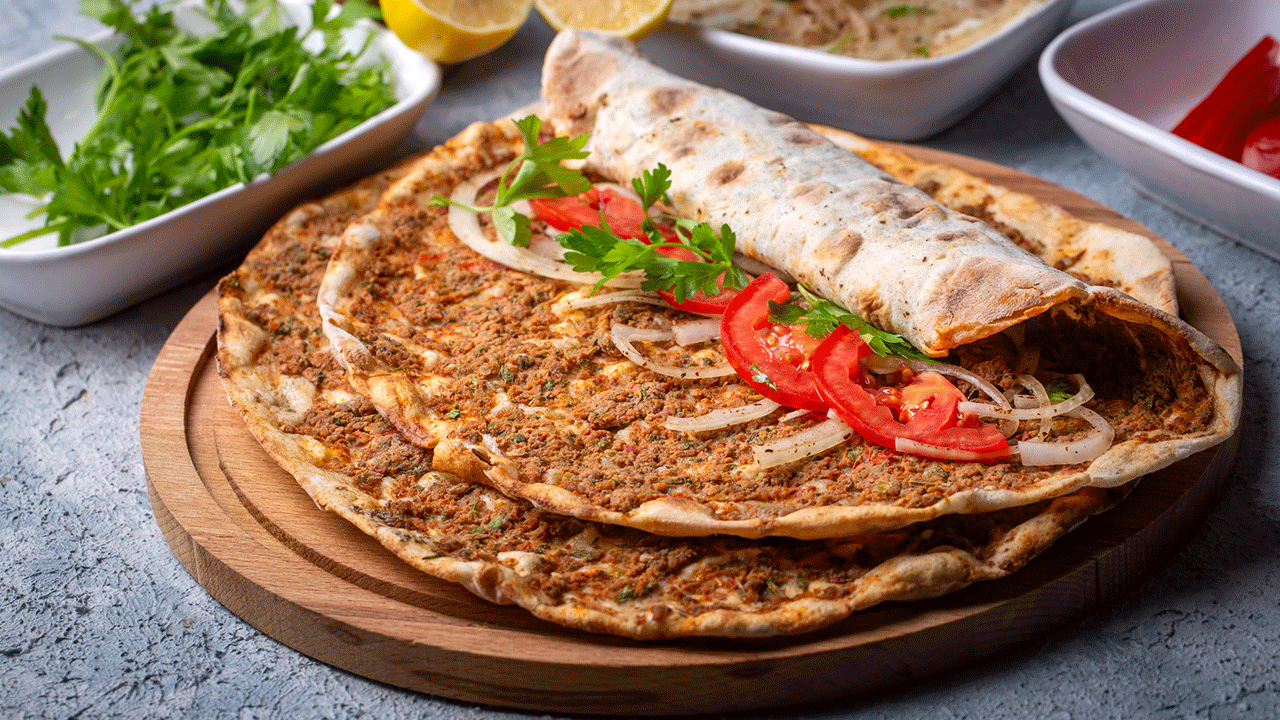
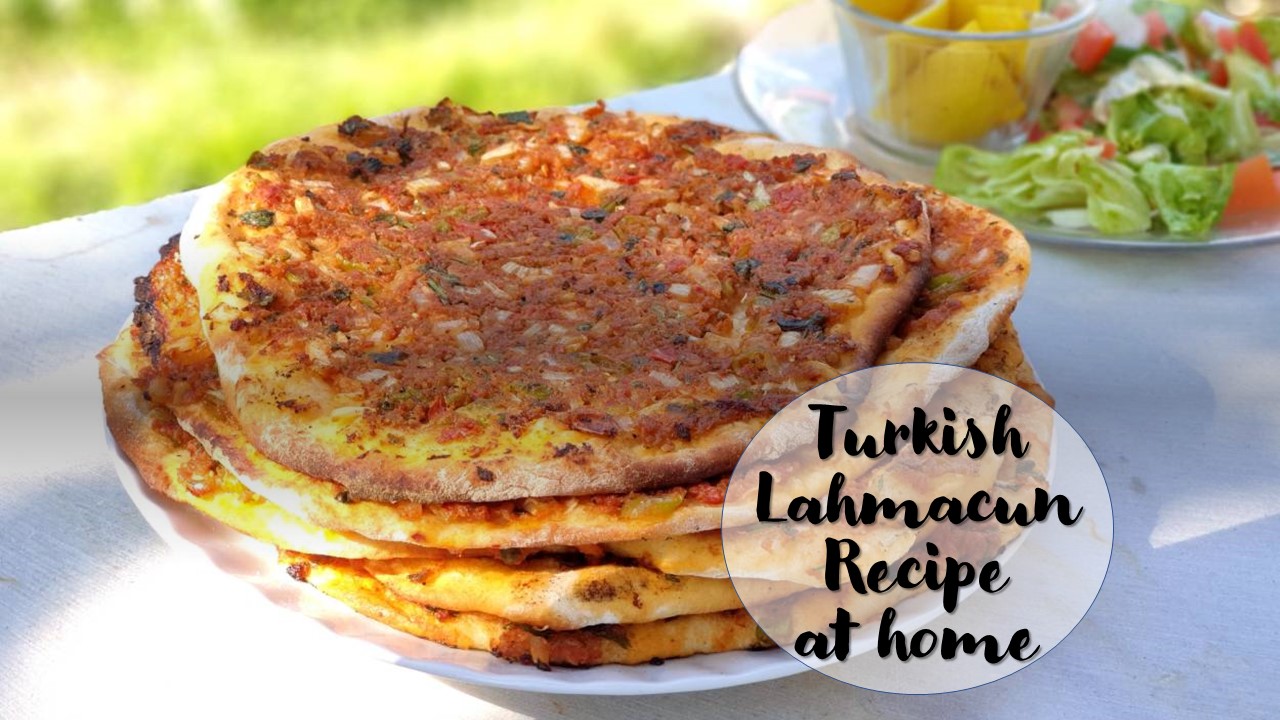
Freshly baked Turkish lahmacun is one of those dishes that turns a simple meal into something memorable. A paper-thin round of dough is covered with a finely chopped mixture of minced meat, peppers, tomato, parsley and spices, then baked quickly until the edges are crisp and the topping is juicy and fragrant.
In Türkiye, lahmacun is rarely eaten with a knife and fork. It arrives hot from the oven, followed by a squeeze of lemon, a handful of parsley and perhaps sumac onions before being rolled up and enjoyed by hand. This homemade version is designed for a regular kitchen oven while keeping the thin crust and fresh, savory topping that make lahmacun so satisfying.
For days when making dough is not practical, you can also prepare a quicker version using ready-made flatbread in our lahmacun with lavash recipe.
Recipe at a Glance
- Prep Time: 45 minutes
- Resting Time: 45 minutes
- Cook Time: 20 minutes
- Total Time: 1 hour 50 minutes
- Servings: 8 lahmacun
- Method: High-heat oven baking
Jump to:
- What Is Turkish Lahmacun?
- Ingredients
- How to Make Turkish Lahmacun
- Expert Tips for Crispy Lahmacun
- Common Mistakes to Avoid
- Serving and Presentation
- Storage, Freezing and Reheating
- Kitchen Notes
- Frequently Asked Questions
What Is Turkish Lahmacun?
Turkish lahmacun is a thin, round flatbread topped with a finely minced mixture of meat, tomato, peppers, onion, herbs and spices, then baked quickly in a very hot oven. Often described as Turkish pizza, it has no cheese and is traditionally served with lemon, parsley and salad before being rolled and eaten warm.
Lahmacun is especially loved in southeastern Turkish cooking, where the balance of thin dough, seasoned meat, pepper paste and fresh herbs matters as much as the heat of the oven. It is a casual, generous food: something to share at the table, serve for lunch or prepare for guests with bowls of greens and lemon wedges nearby.
You can explore more dishes served as hearty Turkish meals in our Turkish main dishes collection.
Ingredients for Homemade Turkish Lahmacun Recipe
This recipe makes 8 medium lahmacun. For the best result, prepare the topping first and keep it chilled while the dough rests. The topping should be spreadable but not watery, so the dough bakes crisp instead of becoming soggy.
For the Dough
- 500 g / about 4 cups all-purpose flour: Gives enough structure for dough that can be rolled very thinly.
- 300 ml / 1 1/4 cups lukewarm water: Hydrates the dough without making it overly soft.
- 1 teaspoon instant yeast: Helps the dough become pliable and lightly tender while still baking thin and crisp.
- 1 teaspoon granulated sugar: Supports the yeast and helps the edges brown in a home oven.
- 1 1/2 teaspoons fine salt: Seasons the base of the lahmacun.
- 1 tablespoon olive oil: Makes the dough easier to handle and roll at home.
For the Meat Topping
- 500 g / 1.1 lb medium-fat ground beef or lamb: A little fat keeps the topping moist during the short, hot bake.
- 1 medium onion, very finely chopped: Adds sweetness and savory depth.
- 2 garlic cloves, finely grated: Brings warmth to the topping without dominating it.
- 2 medium tomatoes, finely chopped and lightly drained: Add freshness and moisture without soaking the dough.
- 2 green peppers, finely chopped: Give the topping its fresh pepper aroma.
- 1 small red pepper, finely chopped: Adds gentle sweetness and color.
- 1 tablespoon tomato paste: Concentrates the tomato flavor.
- 1 tablespoon Turkish red pepper paste: Gives lahmacun its deeper pepper flavor. You can also prepare your own Turkish red pepper paste.
- 1/2 bunch flat-leaf parsley, finely chopped: Freshens the rich meat topping.
- 1 teaspoon red pepper flakes: Adds mild heat.
- 1/2 teaspoon isot or Aleppo pepper, optional: Adds a warm, slightly smoky note.
- 1/2 teaspoon black pepper: Rounds out the seasoning.
- 1 teaspoon salt: Seasons the topping evenly.
For Serving
- Lemon wedges
- Fresh parsley sprigs
- Thinly sliced red onion tossed with sumac
- Sliced tomatoes, optional
- Cold ayran, optional
How to Make Turkish Lahmacun at Home
1. Prepare the Lahmacun Topping
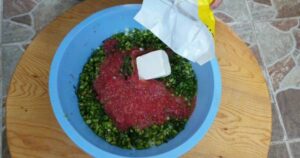
Begin with the topping so its flavors can settle while the dough rests. Finely chop the onion, tomatoes, green peppers, red pepper and parsley. The pieces should be small enough to spread easily over thin dough, but they should not become a wet puree.
If the tomatoes are very juicy, drain away a little of the excess liquid. Too much moisture makes it harder for the base to crisp in a home oven.
2. Mix the Meat Filling
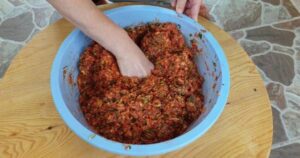
Add the ground meat, garlic, tomato paste, red pepper paste, parsley, salt, black pepper, red pepper flakes and optional isot to the chopped vegetables. Mix gently with your hands or a spoon until everything is evenly combined.
The finished topping should be soft enough to spread in a thin layer over the dough. If it feels very dry, add one tablespoon of cold water. If it looks watery, refrigerate it briefly while you prepare the dough.
3. Make the Dough
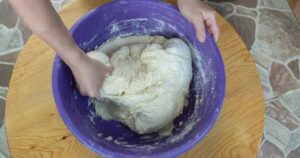
Place the flour, instant yeast, sugar and salt in a large mixing bowl. Stir briefly, then add the lukewarm water and olive oil. Mix until a rough dough forms, then knead for 8 to 10 minutes until smooth and elastic.
The dough should feel soft and flexible but should not cling heavily to your hands. If necessary, add a small dusting of flour during kneading rather than making the dough firm and heavy.
4. Rest the Dough
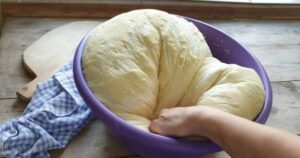
Cover the dough with a clean kitchen towel or reusable wrap and leave it at room temperature for about 45 minutes. It does not need to rise dramatically. The purpose is to relax the dough so it rolls thinly without shrinking back.
5. Heat the Oven Thoroughly
Place a pizza stone, baking steel or an inverted heavy baking tray inside the oven. Preheat to the highest temperature your oven reaches, ideally 250–260°C / 480–500°F, for at least 25 to 30 minutes.
Lahmacun cooks best with strong heat from underneath. A hot surface helps the base become crisp before the topping releases too much moisture.
6. Divide the Dough
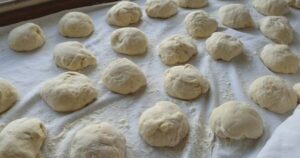
Turn the dough onto a lightly floured surface and divide it into 8 equal pieces. Shape each piece into a small ball, then cover them while working so their surfaces remain soft.
7. Roll Each Lahmacun Very Thinly
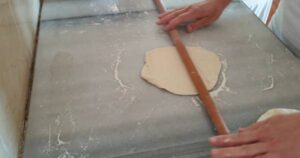
Working with one dough ball at a time, roll it on a lightly floured counter into a thin round or oval, approximately 25–28 cm / 10–11 inches wide. The dough should be much thinner than pizza dough, but not torn.
Keep the remaining dough covered while you roll and top each piece. This prevents dry edges, which can make the lahmacun harder to shape.
8. Spread the Topping in a Thin Layer
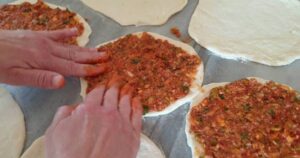
Place about 3 to 4 tablespoons of meat topping over the rolled dough. Use the back of a spoon or your fingertips to spread it almost to the edges in a very thin, even layer.
Do not pile the topping thickly in the center. Lahmacun is at its best when the dough and topping cook together quickly, leaving a crisp base and juicy surface.
9. Bake Until Crisp and Fragrant
Carefully transfer one lahmacun at a time to the hot stone or inverted tray. Bake for approximately 5 to 7 minutes, until the base is lightly crisp, the edges have browned and the meat topping is fully cooked.
Home ovens vary, so check the first lahmacun closely. Once you know the ideal timing for your oven, the remaining pieces will be easier to bake consistently.
10. Serve Hot with Lemon and Greens
As soon as each lahmacun comes from the oven, keep it warm under a clean kitchen towel while the remaining pieces bake. Serve with lemon wedges, fresh parsley and sumac onion salad.
Squeeze lemon over the hot lahmacun, add a few greens, roll it up and eat it while the base still has its delicate crispness.
Expert Tips for Crispy Turkish Lahmacun
- Chop rather than blend the vegetables. A food processor can release too much liquid and turn the topping watery. Finely chopped vegetables give a fresher texture.
- Use meat with some fat. Very lean mince dries out quickly at high heat. Medium-fat beef or lamb keeps the topping juicy.
- Do not overload the dough. A thin layer of topping is essential; too much mixture weighs down the base and prevents crispness.
- Preheat the baking surface properly. Heating a stone or inverted tray for at least 25 minutes gives a much better base than placing lahmacun on a cold tray.
- Roll the dough immediately before topping. Thin dough becomes soft and difficult to transfer if left covered with wet topping for too long.
- Keep baked lahmacun flexible. Stack the hot pieces beneath a clean towel if you prefer to roll them easily when serving.
Common Mistakes to Avoid
Using a Watery Topping
Tomatoes and onions naturally release juice. If all that liquid goes into the mixture, the lahmacun can bake soft rather than crisp. Finely chop the vegetables and lightly drain very juicy tomatoes before combining them with the meat.
Rolling the Dough Like Pizza Dough
Lahmacun should not have a thick, risen crust. Roll each piece very thinly, almost as thin as you can manage without tearing, so the base bakes quickly and stays light.
Spreading Too Much Meat Mixture
A heavy topping may remain wet in the center while the edges overcook. Use just enough mixture to cover the dough in a thin, even film.
Baking on a Cool Tray
A cool tray delays cooking underneath the dough. Preheat an inverted tray, baking steel or pizza stone before the first lahmacun goes into the oven.
Leaving the Finished Lahmacun Uncovered
If you are baking several pieces, uncovered lahmacun may cool and become stiff before serving. Stack them carefully and cover with a clean towel to keep them warm and pleasantly flexible.
Serving and Presentation
In Türkiye, lahmacun is usually served hot with simple, fresh accompaniments rather than heavy sauces. Arrange lemon wedges, parsley leaves, sliced tomato and sumac onions on the table so everyone can finish their own lahmacun to taste.
A crisp, tangy side such as Turkish pickled cucumbers works beautifully beside the warm meat topping. For a more complete meal, begin with a light bowl of Turkish lentil soup, then serve the lahmacun fresh from the oven.
The traditional way to eat it is simple: squeeze over lemon juice, add parsley and onion salad, roll the lahmacun from one edge and enjoy it warm by hand.
Storage, Freezing and Reheating
Storing Cooked Lahmacun
Allow cooked lahmacun to cool, then place sheets of baking paper between them and store in an airtight container in the refrigerator for up to 2 days. Keep any fresh garnishes separate until serving.
Freezing Lahmacun
Cooked lahmacun freezes well. Cool completely, separate each piece with baking paper, wrap securely and freeze for up to 2 months. Freezing raw lahmacun topped with uncooked minced meat is less practical for home kitchens, as the thin dough can soften before baking.
Reheating Lahmacun
Reheat refrigerated lahmacun in a hot dry skillet for 1 to 2 minutes, or in a 200°C / 390°F oven for approximately 4 to 5 minutes. From frozen, heat directly in the oven until warmed through and crisp again. Avoid microwaving when possible, as it makes the base soft.
Kitchen Notes
Homemade lahmacun does not need to look perfectly round to be delicious. In a Turkish home kitchen, the most important details are a thin base, a topping spread right to the edges and plenty of lemon at the table.
If your oven does not reach very high temperatures, bake smaller lahmacun rather than large ones. Smaller pieces transfer more easily, cook faster and usually develop a crisper base.
Substitutions: Ground lamb can replace beef, or you can use a mixture of both. If you cannot find Turkish pepper paste, use an extra spoonful of tomato paste with a small pinch of red pepper flakes. The flavor will be slightly different, but still enjoyable.
Frequently Asked Questions
What is Turkish lahmacun made of?
Turkish lahmacun is made with very thin dough topped with a finely chopped mixture of minced beef or lamb, tomato, peppers, onion, parsley, garlic, pepper paste and spices. It is baked quickly at high heat, then commonly served with lemon, fresh herbs and sumac onions before being rolled and eaten warm.
Is lahmacun the same as Turkish pizza?
Lahmacun is often called Turkish pizza in English because it is round, baked and topped before cooking. However, it is different from pizza: the dough is much thinner, the topping is minced and spread finely, and it does not traditionally include cheese. Its usual finish is lemon, parsley and onion salad.
Should lahmacun dough contain yeast?
Turkish home recipes vary: some use a yeast-free lean dough, while others use a small amount of yeast for easier rolling and a slightly softer bite. This recipe uses a modest amount of instant yeast, which helps home cooks roll the dough thinly while still producing a crisp result in a hot oven.
Why does my homemade lahmacun become soggy?
Soggy lahmacun usually comes from a topping that contains too much liquid, a layer of topping that is too thick, or an oven tray that was not fully heated first. Lightly drain juicy tomatoes, spread the mixture thinly and bake on a very hot preheated surface for a crisper base.
Can I make lahmacun without making dough?
Yes. For a faster meal, you can spread a seasoned meat topping over ready-made lavash or another thin flatbread and bake it briefly at high heat. The result is not exactly the same as traditional hand-rolled lahmacun, but it is a useful shortcut for busy weeknights.
What meat is best for lahmacun?
Medium-fat ground beef, ground lamb or a mixture of both works well for lahmacun. A little fat is important because the topping cooks quickly at high temperature and can dry out if the meat is too lean. Lamb gives a richer flavor, while beef creates a milder family-friendly version.
Can homemade lahmacun be frozen?
Yes. Once baked and cooled, lahmacun can be layered with baking paper, wrapped securely and frozen for up to 2 months. Reheat directly from frozen in a hot oven until the topping is warm and the bottom regains some crispness. Add lemon and fresh greens only after reheating.
What should I serve with Turkish lahmacun?
The most traditional accompaniments are lemon wedges, parsley and thinly sliced onion mixed with sumac. Sliced tomatoes, pickled vegetables and cold ayran also work beautifully. For a fuller Turkish-style meal, lahmacun can follow a light lentil soup and be served with fresh salad at the table.
Turkish Lahmacun Recipe – Authentic Homemade Lahmacun

Ingredients
Group: For the Dough
- 500 g all-purpose flour
- 300 ml lukewarm water
- 1 teaspoon instant yeast
- 1 teaspoon granulated sugar
- 1 1/2 teaspoons fine salt
- 1 tablespoon olive oil
Group: For the Lahmacun Topping
- 500 g medium-fat ground beef or lamb
- 1 medium onion very finely chopped
- 2 garlic cloves finely grated
- 2 medium tomatoes finely chopped and lightly drained
- 2 green peppers finely chopped
- 1 small red pepper finely chopped
- 1 tablespoon tomato paste
- 1 tablespoon Turkish red pepper paste biber salçası
- 1/2 bunch flat-leaf parsley finely chopped
- 1 teaspoon red pepper flakes
- 1/2 teaspoon isot or Aleppo pepper optional
- 1/2 teaspoon ground black pepper
- 1 teaspoon fine salt
Group: For Serving
- Lemon wedges
- Fresh parsley sprigs
- 1 red onion thinly sliced and tossed with sumac
- Sliced tomatoes optional
- Cold ayran optional
Instructions
- Prepare the topping vegetables. Finely chop the onion, tomatoes, green peppers, red pepper and parsley. The pieces should be small enough to spread easily over thin dough, but not blended into a puree. If your tomatoes are very juicy, drain away some of the excess liquid so the lahmacun base can bake crisp.
- Mix the meat topping. Place the ground beef or lamb in a large bowl. Add the chopped vegetables, grated garlic, tomato paste, Turkish red pepper paste, parsley, red pepper flakes, optional isot, black pepper and salt. Mix gently until evenly combined. The topping should be moist and spreadable, but not runny. Cover and refrigerate while preparing the dough.
- Make the dough. In a large mixing bowl, combine the flour, instant yeast, granulated sugar and salt. Add the lukewarm water and olive oil. Mix until a rough dough forms, then knead for 8 to 10 minutes until smooth, soft and elastic. The dough should feel flexible without sticking heavily to your hands.
- Rest the dough. Cover the dough with a clean kitchen towel or reusable wrap and let it rest at room temperature for 45 minutes. It does not need to rise dramatically; this resting time relaxes the dough and makes it easier to roll very thinly.
- Preheat the oven. Place a pizza stone, baking steel or inverted heavy baking tray inside the oven. Preheat the oven to its highest setting, ideally 250–260°C / 480–500°F, for at least 25 to 30 minutes. A thoroughly heated surface helps the thin dough become crisp before the topping releases moisture.
- Divide the dough. Turn the rested dough onto a lightly floured work surface and divide it into 8 equal portions. Shape each portion into a ball. Keep the dough balls covered while working so their surfaces do not dry out.
- Roll each lahmacun thinly. Working with one dough ball at a time, roll it into a thin round or oval measuring approximately 25–28 cm / 10–11 inches. The dough should be much thinner than pizza dough, but strong enough to transfer without tearing.
- Add the topping. Spoon 3 to 4 tablespoons of the meat mixture onto the rolled dough. Using the back of a spoon or your fingertips, spread it in a thin, even layer almost to the edges. Do not leave a thick pile in the center, as this can prevent the base from crisping properly.
- Bake the lahmacun. Carefully transfer the topped dough onto the fully preheated stone, steel or inverted baking tray. Bake for 5 to 7 minutes, until the bottom is lightly crisp, the edges are browned and the meat topping is fully cooked. Depending on the size of your baking surface, bake one or two lahmacun at a time.
- Keep the baked lahmacun warm. As each lahmacun comes out of the oven, transfer it to a plate or tray and cover lightly with a clean kitchen towel. This keeps it warm and flexible enough to roll when serving.
- Serve traditionally. Serve the lahmacun hot with lemon wedges, fresh parsley and thinly sliced red onion tossed with sumac. Squeeze lemon over each piece, add the greens, roll it from one edge and enjoy immediately.