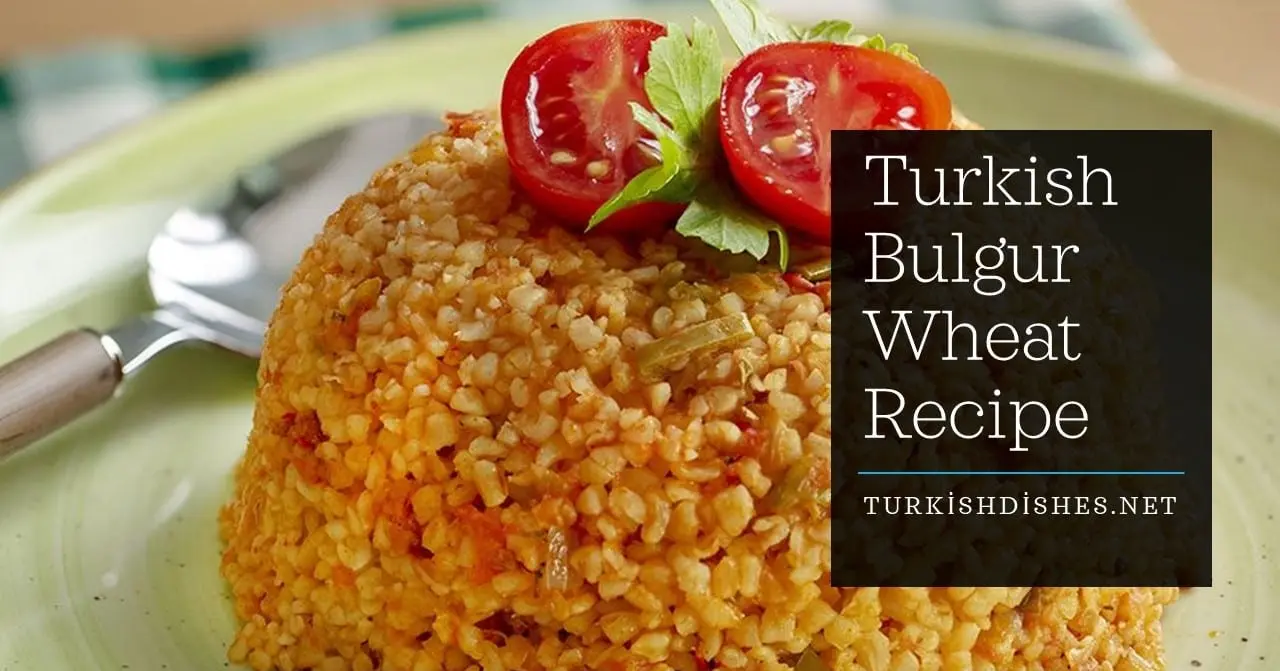
Turkish Bulgur Pilaf Recipe is one of the most popular side dishes in Turkish cuisine, loved for its rich tomato flavor, fluffy texture, and simple ingredients. This authentic bulgur pilaf recipe uses coarse bulgur, onions, tomato paste, butter, and broth to create a hearty dish that pairs perfectly with kebabs, grilled chicken, beans, and vegetable meals. Whether you’re making Turkish food for the first time or looking for a reliable everyday recipe, this step-by-step guide will show you how to cook perfectly tender bulgur pilaf with traditional techniques, expert tips, and practical substitutions for international kitchens.
Served in homes across Türkiye for generations, bulgur pilaf is more than just an alternative to rice. Its nutty flavor, satisfying texture, and excellent nutritional value make it one of the country’s most frequently prepared dishes. If you enjoy traditional Turkish grain recipes, you may also like our Fine Bulgur Salad (Kısır), another classic made with authentic Turkish bulgur.
What Is Turkish Bulgur Pilaf?
Turkish Bulgur Pilaf, or Bulgur Pilavı, is one of the most traditional and widely prepared side dishes in Türkiye. Made with coarse bulgur wheat, onions, tomato paste, butter or olive oil, and broth, it is slowly simmered until every grain becomes tender while remaining pleasantly separate. Unlike plain boiled bulgur, this method creates a rich, savory pilaf with deep flavor and a satisfying texture.
Bulgur itself is made from whole wheat berries that are steamed, dried, and cracked into different sizes. Because it is partially cooked during processing, it cooks much faster than whole grains while retaining its nutritional value. Coarse bulgur is traditionally preferred for pilaf because it absorbs liquid gradually without becoming mushy.
Throughout Türkiye, bulgur pilaf is considered everyday comfort food rather than a dish reserved for special occasions. It is commonly served alongside grilled meats, kebabs, roasted chicken, vegetable stews, legumes, and yogurt-based dishes. Many Turkish families prepare it several times each week because it is inexpensive, filling, and easy to make using pantry staples.
Regional recipes vary from one province to another. Some families add diced tomatoes and green peppers during summer when fresh vegetables are abundant, while others prepare a simpler version using only tomato paste. In southeastern Türkiye, cooks may enrich the pilaf with chickpeas, cubes of lamb, or spicy pepper paste for a heartier meal. Despite these local differences, the cooking technique remains remarkably consistent across the country.
One reason Turkish bulgur pilaf has remained popular for generations is its versatility. It complements almost every main course while offering a pleasant nutty flavor that many people prefer over plain white rice. Since bulgur contains naturally occurring fiber, vitamins, and minerals from whole wheat, it is also valued as a nutritious everyday grain.
Why You’ll Love This Recipe
- Authentically Turkish: Prepared using traditional techniques found in Turkish home kitchens.
- Simple ingredients: Everything needed is inexpensive and available in most supermarkets.
- Perfect texture: Every grain stays tender and fluffy instead of becoming sticky.
- Ready in under 40 minutes: An excellent choice for busy weeknight dinners.
- Highly versatile: Pairs beautifully with grilled meats, chicken, seafood, legumes, or vegetable dishes.
- Nutritious: Naturally rich in fiber and more satisfying than many refined grain side dishes.
- Meal-prep friendly: Stores and reheats exceptionally well without losing its texture.
- Easy to customize: Add vegetables, chickpeas, mushrooms, peppers, or spices to suit your taste.
- Beginner-friendly: The step-by-step method makes it easy even if you’ve never cooked bulgur before.
- A true Turkish classic: This recipe delivers the comforting flavor served in homes and traditional restaurants across Türkiye.
Ingredients Turkish Bulgur Pilaf Recipe
One of the reasons Turkish Bulgur Pilaf has remained a staple of Turkish home cooking is its short ingredient list. Each ingredient has an important role in building the pilaf’s rich flavor and fluffy texture.
- 2 tablespoons butter – Provides the traditional rich flavor. For a lighter version, substitute olive oil or use half butter and half olive oil.
- 2 tablespoons olive oil – Prevents the butter from browning too quickly while adding extra depth of flavor.
- 1 medium onion, finely diced – Forms the aromatic base of the pilaf and becomes naturally sweet as it cooks.
- 1 green pepper, diced – Traditionally a Turkish green pepper is used, but any mild green pepper works well.
- 2 cloves garlic, minced (optional) – Adds additional aroma without overpowering the dish.
- 1 tablespoon tomato paste – Gives the pilaf its characteristic color and rich tomato flavor.
- 1 large tomato, grated or finely diced – Fresh tomatoes add moisture and balance the concentrated tomato paste.
- 1½ cups coarse bulgur wheat – The essential ingredient. Medium or coarse bulgur is ideal for pilaf because it keeps its shape during cooking.
- 3 cups hot chicken or vegetable broth – Broth creates a much richer flavor than plain water.
- 1 teaspoon salt – Adjust according to the saltiness of your broth.
- ½ teaspoon freshly ground black pepper
- ½ teaspoon paprika or Aleppo pepper (optional) – Adds gentle warmth without making the dish overly spicy.
- Fresh parsley – Finely chopped for garnish before serving.
Ingredient Notes & International Substitutions
Coarse Bulgur Wheat
Always choose coarse bulgur labeled for pilaf rather than fine bulgur used for salads. Fine bulgur absorbs liquid much faster and produces a completely different texture.
Tomato Paste
Turkish tomato paste is more concentrated than many supermarket varieties. If using a milder paste, you may increase the quantity slightly to achieve a deeper flavor.
Pepper Paste (Optional)
Many Turkish families add a teaspoon of mild red pepper paste (biber salçası) together with the tomato paste. If unavailable, simply omit it or add a small amount of smoked paprika for extra depth.
Broth
Chicken broth produces the richest flavor, while vegetable broth keeps the recipe completely vegetarian. Water may also be used, although the final flavor will be milder.
Butter or Olive Oil?
Traditional recipes often use butter for its rich aroma. Olive oil creates a lighter Mediterranean-style pilaf, while combining both offers an excellent balance of flavor.
Fresh Tomatoes
During summer, ripe fresh tomatoes provide the best sweetness and acidity. Outside the season, canned diced tomatoes can be substituted without significantly affecting the final result.
If you’re preparing a complete Turkish breakfast or brunch menu, fresh tomato-based dishes such as Turkish Menemen also showcase the vibrant flavors of ripe tomatoes commonly used in Turkish cuisine.
Equipment
- Medium heavy-bottomed saucepan or Dutch oven with a lid
- Sharp chef’s knife
- Cutting board
- Wooden spoon or silicone spatula
- Measuring cups and measuring spoons
- Small bowl for preparing tomato paste
- Fork for fluffing the cooked bulgur
A heavy-bottomed pot distributes heat evenly and helps prevent the bulgur from sticking or scorching while it slowly absorbs the cooking liquid.
How to Make Turkish Bulgur Pilaf Recipe
Making authentic Turkish Bulgur Pilaf is all about building layers of flavor before the bulgur absorbs the broth. Unlike rice, bulgur cooks quickly and naturally develops a light, fluffy texture when handled correctly. Follow each step carefully for the best results.
Prepare all of your ingredients first
Dice the onion and green pepper into small, even pieces. Mince the garlic if using it, grate or finely chop the tomato, measure the bulgur, and heat the broth until it is almost simmering.
Having every ingredient ready before turning on the heat makes the cooking process much smoother because bulgur cooks relatively quickly once the liquid is added.
Sauté the onions until softened
Heat the butter and olive oil together in a heavy-bottomed saucepan over medium heat. Once the butter has melted completely, add the diced onions.
Cook for about 5–6 minutes, stirring occasionally, until the onions become soft and translucent. They should release their natural sweetness without developing a dark brown color.
Expert Tip: If the onions brown too quickly, reduce the heat. Properly softened onions create a sweeter, more balanced pilaf.
Add the peppers and garlic
Stir in the diced green pepper and cook for another 3–4 minutes until it softens.
If using garlic, add it during the final minute. Garlic burns quickly and can become bitter if cooked for too long.
Cook the tomato paste properly
Add the tomato paste directly to the vegetables and stir continuously for about one minute.
This step is extremely important because briefly frying the tomato paste removes its raw taste while developing a richer, sweeter tomato flavor that defines authentic Turkish bulgur pilaf.
If using red pepper paste, add it together with the tomato paste.
Add the fresh tomatoes
Mix in the grated tomatoes and continue cooking for about 4–5 minutes until much of the excess moisture has evaporated.
The mixture should become thick and glossy rather than watery. This concentrated tomato base will coat every grain of bulgur during cooking.
Toast the bulgur
Add the coarse bulgur directly into the tomato mixture and stir continuously for about 2 minutes.
Each grain should become evenly coated with the butter, vegetables, and tomato mixture.
Why this matters: Lightly toasting the bulgur before adding liquid enhances its natural nutty flavor and helps the grains remain separate after cooking.
Add the hot broth
Pour in the hot broth, then season with salt, black pepper, and paprika if using.
Stir only once to distribute everything evenly.
The liquid should completely cover the bulgur by about 1 cm (½ inch).
Kitchen Note: Always use hot broth. Cold liquid lowers the cooking temperature and may cause uneven cooking.
Simmer gently
Bring the broth to a gentle boil over medium heat.
As soon as it begins bubbling, immediately reduce the heat to low and cover the saucepan with a tight-fitting lid.
Allow the pilaf to cook undisturbed for approximately 15–18 minutes.
Do not stir during cooking. Stirring breaks the grains and releases excess starch, resulting in a softer texture instead of the fluffy consistency that Turkish bulgur pilaf is known for.
Check for doneness
When most of the liquid has been absorbed, remove the lid and gently check the texture with a fork.
The bulgur should be tender while still maintaining a slight bite. If it still feels firm, add 2–3 tablespoons of hot broth, cover again, and cook for another 3–5 minutes.
Rest before serving
Remove the saucepan from the heat without uncovering it.
Let the pilaf rest for 10 minutes.
This resting period allows the remaining steam to finish cooking the bulgur evenly while helping excess moisture redistribute throughout the pot.
Finally, fluff the pilaf gently with a fork instead of stirring with a spoon. Garnish with chopped fresh parsley and serve immediately.
Chef’s Secret:
The biggest difference between average and exceptional Turkish bulgur pilaf is patience. Properly sautéing the vegetables, lightly toasting the bulgur, using hot broth, avoiding unnecessary stirring, and allowing the pilaf to rest before serving all contribute to perfectly fluffy grains with deep, authentic flavor.
Expert Tips
Although Turkish Bulgur Pilaf is made with simple ingredients, a few traditional techniques can make the difference between an ordinary side dish and one that tastes like it came from a Turkish home kitchen. These practical tips will help you achieve fluffy, flavorful bulgur every time.
- Choose coarse bulgur for pilaf.
Fine bulgur is designed for salads such as kısır and absorbs liquid too quickly. Medium or coarse bulgur holds its shape much better during cooking and creates the traditional texture expected in Turkish pilaf. - Don’t skip sautéing the tomato paste.
Cooking the tomato paste for about one minute removes its raw taste and develops a richer, slightly sweeter flavor that blends beautifully with the broth. - Toast the bulgur before adding liquid.
Allow the bulgur to cook in the butter and tomato mixture for two or three minutes. This simple step enhances its nutty aroma and helps keep the grains separate after cooking. - Always use hot broth.
Adding cold liquid lowers the cooking temperature and may result in uneven cooking. Hot broth allows the bulgur to begin cooking immediately. - Keep the lid closed.
Once the broth begins simmering, avoid removing the lid repeatedly. Escaping steam changes the cooking time and can affect the final texture. - Never stir continuously while simmering.
Unlike risotto, bulgur pilaf should cook undisturbed. Excessive stirring breaks the grains and creates a softer consistency. - Allow the pilaf to rest.
After cooking, leave the lid on for about 10 minutes before fluffing with a fork. This resting period allows the remaining steam to distribute evenly throughout the bulgur. - Adjust the broth if necessary.
Different brands of bulgur absorb liquid differently. If the pilaf seems dry before the grains become tender, simply add a few tablespoons of hot broth and continue cooking for a few more minutes. - Taste before serving.
Because broth varies in saltiness, always taste the pilaf after resting and adjust the seasoning only if necessary.
Regional Variations
Although the classic tomato version is prepared throughout Türkiye, many regions have developed their own variations using local ingredients and seasonal produce.
Southeastern Türkiye
In cities such as Gaziantep and Şanlıurfa, cooks often prepare a richer version by adding red pepper paste, chickpeas, or small cubes of lamb. These ingredients transform the pilaf into a complete one-pot meal.
Central Anatolia
Families in Central Anatolia frequently prepare a simpler version using only onions, butter, tomato paste, and broth. This style is commonly served alongside roasted meats and bean dishes.
Aegean Region
In western Türkiye, fresh herbs, ripe tomatoes, and olive oil are often used to create a lighter summer version with a fresher flavor.
Black Sea Region
Some households enrich bulgur pilaf with seasonal vegetables or locally produced butter, giving the dish a richer aroma while preserving its traditional cooking method.
One of the wonderful aspects of Turkish cuisine is that every family develops its own version over time while maintaining the same basic cooking principles.
If you’re planning a complete traditional Turkish meal, Turkish Kuru Fasulye is one of the most classic main dishes served alongside bulgur pilaf throughout Türkiye.
Common Mistakes
Even experienced home cooks occasionally encounter problems when preparing bulgur pilaf. Fortunately, most mistakes are easy to avoid once you understand the cooking process.
- Using fine bulgur instead of coarse bulgur.
Fine bulgur absorbs liquid very quickly and produces a soft texture rather than fluffy pilaf. - Adding cold broth.
Cold liquid interrupts the cooking process and may prevent the bulgur from cooking evenly. - Skipping the toasting step.
Adding broth immediately after the vegetables reduces the nutty flavor that makes authentic Turkish bulgur pilaf unique. - Cooking over high heat.
Rapid boiling causes the liquid to evaporate too quickly before the bulgur becomes tender. - Opening the lid repeatedly.
Steam is essential for proper cooking. Removing the lid too often changes both the temperature and cooking time. - Stirring during cooking.
Continuous stirring breaks the grains and results in a softer consistency. - Serving immediately after cooking.
Skipping the resting period prevents the remaining moisture from distributing evenly, making the texture less fluffy. - Using too much tomato paste.
Excess tomato paste can overpower the natural nutty flavor of the bulgur. Balance is key. - Over-seasoning before tasting.
Since many broths already contain salt, always taste the finished pilaf before adding extra seasoning.
Serving Suggestions
Turkish Bulgur Pilaf is one of the most versatile side dishes in Turkish cuisine. Its rich tomato flavor and fluffy texture make it an excellent companion for grilled meats, slow-cooked stews, vegetable dishes, and legumes. Whether you’re preparing a casual family dinner or a festive Turkish meal, this pilaf complements a wide variety of traditional recipes.
One of the most classic pairings in Türkiye is bulgur pilaf served with tender roasted lamb. The rich meat juices blend beautifully with the tomato-infused bulgur, creating a comforting and satisfying meal. For a traditional Anatolian dinner, serve it alongside Kuzu Tandır, fresh yogurt, seasonal salad, and homemade pickles.
For lighter meals, pair Turkish Bulgur Pilaf with grilled chicken, roasted vegetables, stuffed peppers, or fresh cucumber yogurt salad. It also works wonderfully as part of a vegetarian menu alongside bean dishes or chickpea stew.
To create an authentic Turkish table, consider serving:
- Plain Turkish yogurt or cacık
- Mixed seasonal salad with lemon dressing
- Turkish-style pickled vegetables (Turşu)
- Grilled chicken or lamb
- Roasted vegetables
- Fresh parsley and lemon wedges for garnish
- A glass of traditional Ayran
Leftover bulgur pilaf can also be enjoyed the following day as a warm lunch or transformed into a filling for stuffed vegetables.
Storage & Reheating
How to Store
Allow the pilaf to cool completely before transferring it to an airtight container. Refrigerate within two hours of cooking to maintain freshness and food safety.
- Refrigerator: Up to 4 days
- Freezer: Up to 2 months
If freezing, divide the pilaf into individual portions for easier reheating.
How to Reheat
Stovetop: Place the pilaf in a saucepan with two or three tablespoons of water or broth. Cover and warm gently over low heat until heated through.
Microwave: Sprinkle a small amount of water over the pilaf before reheating. Cover loosely and heat in 30-second intervals, stirring gently between each interval.
Avoid overheating. Excessive heat can dry the bulgur and make it lose its fluffy texture.
Properly stored bulgur pilaf often tastes even better the following day because the flavors have had more time to develop.
Frequently Asked Questions
1. What type of bulgur should I use for Turkish Bulgur Pilaf?
Always use medium or coarse bulgur labeled for pilaf. Fine bulgur is intended for salads such as kısır and absorbs liquid too quickly, resulting in a much softer texture.
2. Can I make this recipe vegetarian?
Yes. Simply replace the chicken broth with vegetable broth. The pilaf will remain rich and flavorful while becoming completely vegetarian.
3. Is bulgur healthier than white rice?
Bulgur is naturally higher in dietary fiber and contains more vitamins and minerals because it is made from whole wheat. It is often considered a more nutritious everyday grain than refined white rice.
4. Why did my bulgur pilaf turn mushy?
This usually happens when fine bulgur is used, too much liquid is added, or the pilaf is stirred repeatedly during cooking. Using coarse bulgur and allowing it to simmer undisturbed produces the best texture.
5. Can I prepare Turkish Bulgur Pilaf in advance?
Absolutely. It stores very well in the refrigerator for several days and reheats beautifully, making it an excellent option for meal preparation.
6. Can I add vegetables or legumes?
Yes. Chickpeas, mushrooms, peas, roasted eggplant, diced carrots, and peppers are all popular additions. These ingredients create regional variations while preserving the traditional cooking method.
7. Is Turkish Bulgur Pilaf gluten-free?
No. Bulgur is produced from wheat, so it naturally contains gluten. People following a gluten-free diet should choose another grain such as rice or quinoa instead.
8. Can I freeze cooked bulgur pilaf?
Yes. Once completely cooled, portion the pilaf into airtight freezer containers and freeze for up to two months. Thaw overnight in the refrigerator before reheating gently.
Conclusion
Turkish Bulgur Pilaf is a timeless recipe that proves simple ingredients can create extraordinary flavor. With its fluffy texture, rich tomato aroma, and remarkable versatility, it has earned its place as one of the most beloved dishes in Turkish cuisine. By following the traditional techniques and practical tips shared in this guide, you’ll be able to prepare authentic Bulgur Pilavı with confidence, whether it’s your first attempt or your hundredth. Once you master this classic recipe, it will quickly become a dependable favorite for everyday family meals and special occasions alike.
Turkish Bulgur Pilaf Recipe (Bulgur Pilavı)
Ingredients
Ingredients for Turkish Bulgur Pilaf Recipe
- 2 tablespoons butter
- 2 tablespoons olive oil
- 1 medium onion finely diced
- 1 green pepper diced
- 2 cloves garlic minced, optional
- 1 tablespoon tomato paste
- 1 large tomato grated or finely diced
- 1½ cups coarse bulgur wheat
- 3 cups hot chicken broth or vegetable broth
- 1 teaspoon salt adjust to taste
- ½ teaspoon black pepper
- ½ teaspoon paprika or Aleppo pepper optional
- 2 tablespoons fresh parsley chopped, for garnish
Instructions
How to Make Bulgur Pilaf Recipe?
- Dice the onion and green pepper. Mince the garlic if using, grate or finely chop the tomato, measure the bulgur, and heat the broth.
- Heat butter and olive oil in a heavy-bottomed saucepan over medium heat.
- Add the onion and cook for 5–6 minutes until soft and translucent.
- Add the green pepper and cook for 3–4 minutes until softened. Add garlic during the final minute if using.
- Stir in the tomato paste and cook for about 1 minute to remove its raw taste.
- Add the grated tomato and cook for 4–5 minutes until the mixture becomes thick and glossy.
- Add the coarse bulgur and stir for about 2 minutes until every grain is coated with the tomato mixture.
- Pour in the hot broth. Add salt, black pepper, and paprika or Aleppo pepper if using. Stir once.
- Bring to a gentle boil, then reduce the heat to low. Cover and cook for 15–18 minutes without stirring.
- Check the bulgur. If still firm, add 2–3 tablespoons hot broth and cook for another 3–5 minutes.
- Remove from heat and let the pilaf rest, covered, for 10 minutes.
- Fluff gently with a fork, garnish with chopped parsley, and serve warm.
Notes
Do not stir repeatedly while simmering.
Hot broth helps the bulgur cook evenly.
Resting the pilaf before serving improves texture.
Vegetable broth can be used for a vegetarian version.