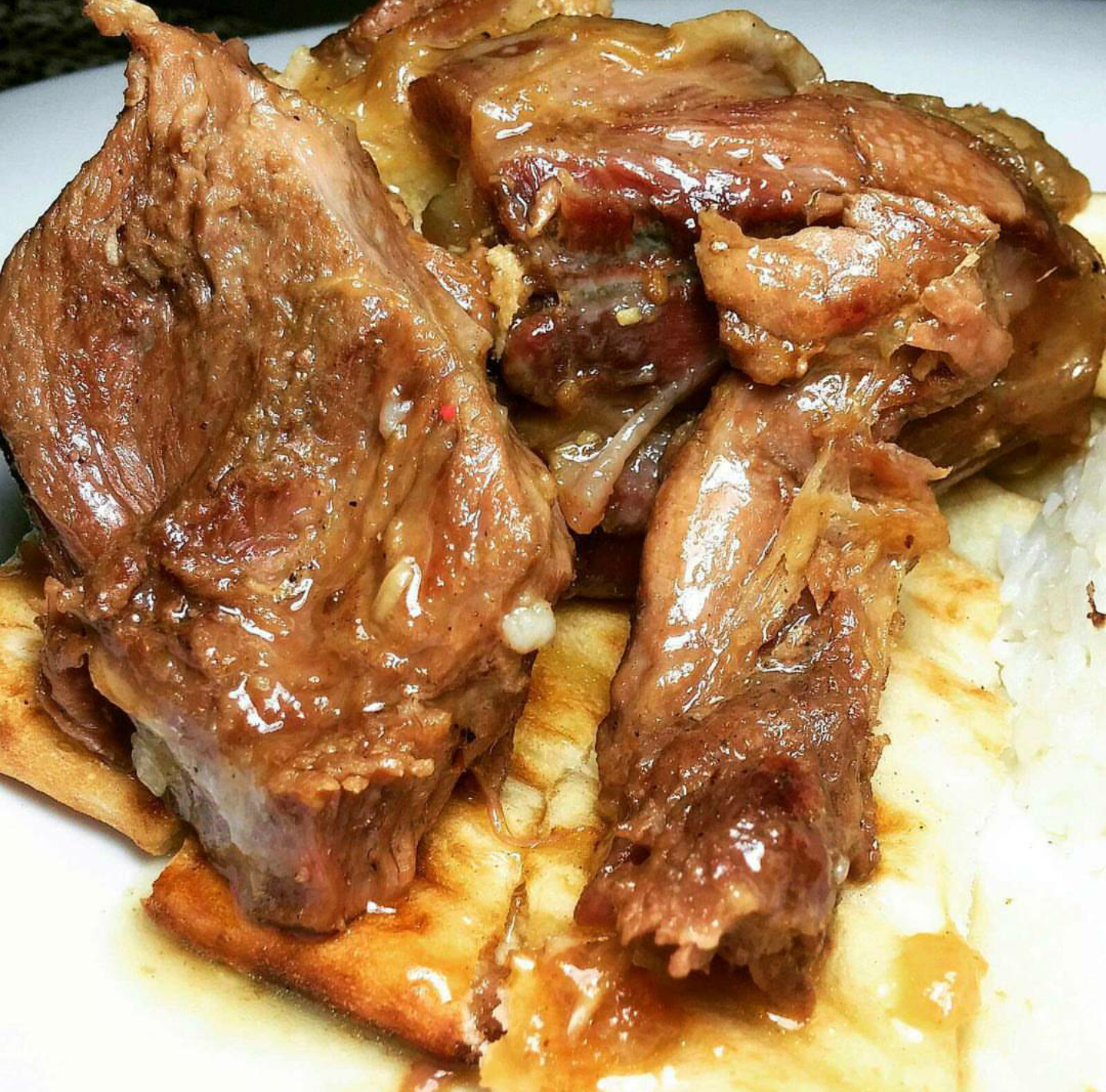
Kuzu Tandır Recipe is one of the most treasured dishes in Turkish cuisine, famous for its incredibly tender meat that slowly cooks until it falls off the bone. Traditionally prepared in a clay tandoor oven, this iconic lamb dish can also be recreated successfully in a home oven with the right technique. This step-by-step recipe shows you exactly how to make authentic Turkish Kuzu Tandır using simple ingredients, proper roasting temperatures, and practical cooking tips. Whether you’re preparing it for a family dinner, a holiday meal, or a special gathering, you’ll learn how to achieve juicy, flavorful lamb with a beautifully caramelized exterior every time.
What Is Kuzu Tandır?
Kuzu Tandır is a traditional Turkish slow-roasted lamb dish prepared by cooking a whole lamb shoulder or leg over gentle heat for several hours until the meat becomes exceptionally tender. The word “tandır” refers to the traditional clay oven used throughout Anatolia, where meat cooks slowly using retained heat rather than direct flames.
Modern home kitchens rarely have access to a traditional tandır oven, but the same melt-in-your-mouth texture can be achieved by roasting lamb slowly in a conventional oven. By sealing the meat to retain moisture and finishing it uncovered for a lightly caramelized crust, you can recreate the authentic flavor that has made Kuzu Tandır one of Turkey’s most celebrated meat dishes.
Unlike many grilled kebabs, Kuzu Tandır relies on time instead of high heat. The slow roasting process allows the collagen inside the lamb to gradually break down, creating succulent meat that separates effortlessly from the bone with almost no carving required.
Why You’ll Love This Recipe
- Authentic Turkish family recipe adapted for modern home ovens.
- Minimal ingredients allow the natural flavor of quality lamb to shine.
- Detailed roasting instructions with precise temperatures and timing.
- Perfect for holidays, family gatherings, and special occasions.
- Includes practical substitutions for cooks outside Turkey.
- Beginner-friendly with professional cooking techniques explained clearly.
- Produces juicy, fall-apart lamb without requiring a traditional tandır oven.
Ingredients Kuzu Tandır Recipe
One of the defining characteristics of authentic Kuzu Tandır is its simplicity. Instead of masking the meat with heavy marinades, Turkish cooks rely on quality lamb, gentle seasoning, and slow cooking to develop deep, natural flavor.
Lamb Shoulder
- 1 whole bone-in lamb shoulder (2–2.5 kg / 4½–5½ lb)
Bone-in lamb shoulder is the traditional choice because it contains enough connective tissue and marbling to become incredibly tender during long roasting. If lamb shoulder is unavailable, bone-in lamb leg is the best alternative, although it may cook slightly faster and produce a leaner texture.
Olive Oil
- 2 tablespoons extra virgin olive oil
A small amount of olive oil helps the seasonings adhere to the meat while encouraging even browning during the final roasting stage.
Garlic
- 4 garlic cloves, crushed
Fresh garlic gently perfumes the lamb without overpowering its natural flavor. Crushing rather than finely chopping the garlic allows it to release more aromatic oils during roasting.
Seasonings
- 2 teaspoons kosher salt
- 2 teaspoons freshly ground black pepper
- 2 teaspoons dried thyme
- 1 teaspoon dried oregano
Traditional Kuzu Tandır uses simple seasonings that enhance rather than dominate the meat. Fresh herbs can also be used if available, although dried herbs provide more concentrated flavor during long cooking.
Ingredient Notes & Substitutions
If you’re preparing this recipe outside Turkey, don’t worry if certain ingredients aren’t identical to those traditionally used. Choosing the right cut of meat is far more important than finding every ingredient exactly.
- If lamb shoulder isn’t available, use bone-in lamb leg.
- Kosher salt can be replaced with sea salt.
- Fresh thyme works well in place of dried thyme; simply double the quantity.
- Avoid boneless lamb whenever possible, as the bone helps retain moisture during the long cooking process.
- Do not remove all of the surface fat before roasting. A thin layer of fat naturally bastes the meat as it cooks, keeping it tender and flavorful.
Kitchen Equipment
- Large roasting tray
- Heavy-duty aluminum foil
- Baking paper (parchment paper)
- Sharp chef’s knife
- Small mixing bowl
- Kitchen brush
- Meat thermometer (recommended)
- Tongs for handling the cooked lamb
A meat thermometer is not essential, but it helps ensure consistently tender results. The lamb should reach an internal temperature of approximately 93–96°C (200–205°F), when the connective tissue has fully broken down and the meat pulls apart effortlessly.
How to Make Kuzu Tandır Recipe Step by Step
Authentic Kuzu Tandır isn’t difficult to prepare, but it does require patience. Slow roasting allows the fat to render gradually while the connective tissue breaks down naturally, producing exceptionally tender lamb with deep, rich flavor. Follow these detailed steps for reliable results every time.
Step 1 – Prepare the Lamb
Remove the lamb shoulder from the refrigerator about 45–60 minutes before cooking. Allowing the meat to come closer to room temperature helps it cook more evenly.
Pat the lamb completely dry using paper towels. Moisture on the surface prevents proper browning later in the cooking process.
If your butcher has left a very thick fat cap, trim only the excess. Leave a thin layer of fat intact, as it slowly melts during roasting and naturally bastes the meat.
Step 2 – Season the Meat
In a small bowl, combine the olive oil, crushed garlic, salt, black pepper, thyme, and oregano.
Massage the seasoning mixture over every side of the lamb, paying special attention to any natural openings around the bone. This allows the flavors to penetrate deeper during the long cooking time.
Unlike many roasted lamb recipes, Kuzu Tandır does not require an overnight marinade. The extended cooking process naturally develops exceptional flavor.
Step 3 – Wrap the Lamb Properly
Tear three large sheets of baking paper and lightly dampen each one under cold running water. Gently squeeze out the excess water before layering the sheets together.
Place the seasoned lamb in the center and wrap it tightly with the baking paper. The moisture trapped inside helps create steam during roasting, keeping the meat tender without drying out.
Next, wrap the entire package with two or three layers of heavy-duty aluminum foil. Seal every edge carefully so the juices remain inside throughout the cooking process.
Step 4 – Prepare the Oven
Preheat your oven to 220°C (425°F).
Place a roasting tray filled with hot water on the lowest oven rack. This creates a humid cooking environment that helps prevent the lamb from drying out during the first stage of roasting.
Position the wrapped lamb on a wire rack above the tray so hot air can circulate evenly around the meat.
Step 5 – Slow Roast the Lamb
Roast the lamb at 220°C (425°F) for approximately 2½ hours.
Without opening the foil, reduce the oven temperature to 120°C (250°F) and continue cooking for another 1½ to 2 hours, depending on the size of the lamb shoulder.
This gentle second stage allows the collagen inside the meat to fully dissolve, producing the signature fall-apart texture that defines authentic Kuzu Tandır.
Step 6 – Check for Doneness
Carefully remove the lamb from the oven and open the foil, taking care to avoid the hot steam trapped inside.
The meat is ready when it pulls away from the bone effortlessly with a pair of tongs or a fork.
If using a meat thermometer, the thickest part of the shoulder should register approximately 93–96°C (200–205°F).
Step 7 – Create a Golden Crust (Optional)
For a lightly caramelized exterior, transfer the cooked lamb to an uncovered roasting tray.
Brush a small amount of the cooking juices over the surface and roast for an additional 8–10 minutes at 230°C (445°F).
This final step creates beautiful color while preserving the juicy interior.
Step 8 – Rest Before Serving
Allow the lamb to rest for at least 15 minutes before serving.
Resting gives the juices time to redistribute throughout the meat, resulting in a much more succulent texture.
Using two forks or kitchen tongs, gently pull the meat away from the bone into large pieces rather than slicing it thinly. This traditional presentation highlights the tenderness of properly cooked Kuzu Tandır.
Expert Tips for Perfect Kuzu Tandır
- Choose bone-in lamb shoulder whenever possible for the richest flavor and juiciest texture.
- Never skip the resting period after roasting.
- Avoid opening the foil during cooking, as trapped steam is essential for tender meat.
- If the lamb browns too quickly, loosely cover it with foil during the final roasting stage.
- Use a meat thermometer rather than relying only on cooking time.
- The meat should separate from the bone effortlessly. If it doesn’t, continue roasting for another 20–30 minutes.
- Save the cooking juices—they make an excellent sauce for rice or roasted vegetables.
Common Mistakes to Avoid
- Using boneless lamb instead of bone-in shoulder.
- Cooking at a consistently high temperature.
- Opening the foil repeatedly during roasting.
- Removing all of the surface fat before cooking.
- Skipping the resting period.
- Using lean cuts such as lamb loin instead of shoulder.
- Discarding the flavorful roasting juices.
These small mistakes can significantly affect tenderness and moisture. Slow cooking and patience are the two most important ingredients in authentic Kuzu Tandır.
What to Serve with Kuzu Tandır
Kuzu Tandır is rich, tender, and full of natural flavor, making it an excellent centerpiece for both everyday family meals and festive gatherings. In Turkey, it is traditionally served with simple side dishes that complement rather than overpower the lamb.
For an authentic Turkish dining experience, pair your Kuzu Tandır with fluffy rice pilaf, roasted potatoes, seasonal salads, and refreshing yogurt-based side dishes.
- Steamed Turkish rice pilaf with butter.
- Crispy roasted potatoes cooked in lamb juices.
- Traditional Cacık for a cool and refreshing contrast.
- Çoban Salad (Turkish Shepherd’s Salad) with tomatoes, cucumber, and parsley.
- Acılı Ezme if you enjoy a slightly spicy accompaniment.
- Fresh lavash or traditional Turkish pide bread for soaking up the flavorful roasting juices.
If you’re preparing Kuzu Tandır for a special occasion, finish the meal with a traditional Turkish dessert such as Baklava or Sütlaç (Turkish Rice Pudding).
Storage & Reheating
One of the advantages of Kuzu Tandır is that it stores exceptionally well. Because the lamb is slow-cooked until tender, leftovers remain moist and flavorful when reheated correctly.
Refrigerator
Allow the lamb to cool completely before transferring it to an airtight container together with some of its cooking juices. Properly stored, it will keep for up to 4 days in the refrigerator.
Freezer
Divide the shredded lamb into meal-sized portions before freezing. Store it with a little of the roasting liquid to help retain moisture. Frozen Kuzu Tandır can be kept for up to 3 months.
Best Way to Reheat
Place the lamb in a covered baking dish with a few tablespoons of its reserved juices. Reheat in a 160°C (320°F) oven for about 20–25 minutes, or until thoroughly heated.
Avoid reheating at very high temperatures, as this can dry out the meat and reduce its tenderness.
Frequently Asked Questions
What cut of lamb is best for Kuzu Tandır?
Bone-in lamb shoulder is the traditional and most recommended cut. Its marbling and connective tissue become incredibly tender during slow roasting, creating the authentic texture associated with Kuzu Tandır.
Can I use lamb leg instead of shoulder?
Yes. Lamb leg is an excellent alternative if shoulder isn’t available. It contains less fat, so the final dish may be slightly leaner, but it still produces delicious results when roasted slowly.
Why is my lamb not falling off the bone?
The lamb simply needs more time. Continue roasting at a low temperature until the connective tissue completely breaks down. Every cut of lamb cooks slightly differently depending on its size and age.
Should I marinate the lamb overnight?
No. Traditional Kuzu Tandır depends more on slow cooking than long marinating. A simple seasoning mixture applied before roasting is usually all that’s needed.
Can I prepare Kuzu Tandır a day in advance?
Absolutely. Many Turkish cooks believe the flavor improves the next day. Reheat the lamb gently with some of its cooking juices to maintain its tenderness.
Do I need a traditional tandır oven?
No. While the original recipe is cooked in a clay tandır oven, a conventional home oven produces excellent results when the lamb is wrapped properly and roasted slowly.
What internal temperature should the lamb reach?
For fall-apart tenderness, the thickest part of the lamb should reach approximately 93–96°C (200–205°F). At this stage, the collagen has fully broken down, resulting in juicy, pull-apart meat.
Can I use the leftover cooking juices?
Definitely. The roasting juices are packed with flavor and are traditionally spooned over rice, roasted potatoes, or the shredded lamb before serving.
Conclusion
Kuzu Tandır is one of the finest examples of Turkish home cooking, proving that exceptional flavor comes from quality ingredients, patience, and simple techniques rather than complicated preparation. With slow roasting, careful temperature control, and the right cut of lamb, you can recreate this beloved Turkish classic in your own kitchen. Whether served for a holiday celebration or a weekend family dinner, this authentic Kuzu Tandır recipe delivers tender, flavorful lamb that truly showcases the richness of Turkish cuisine.
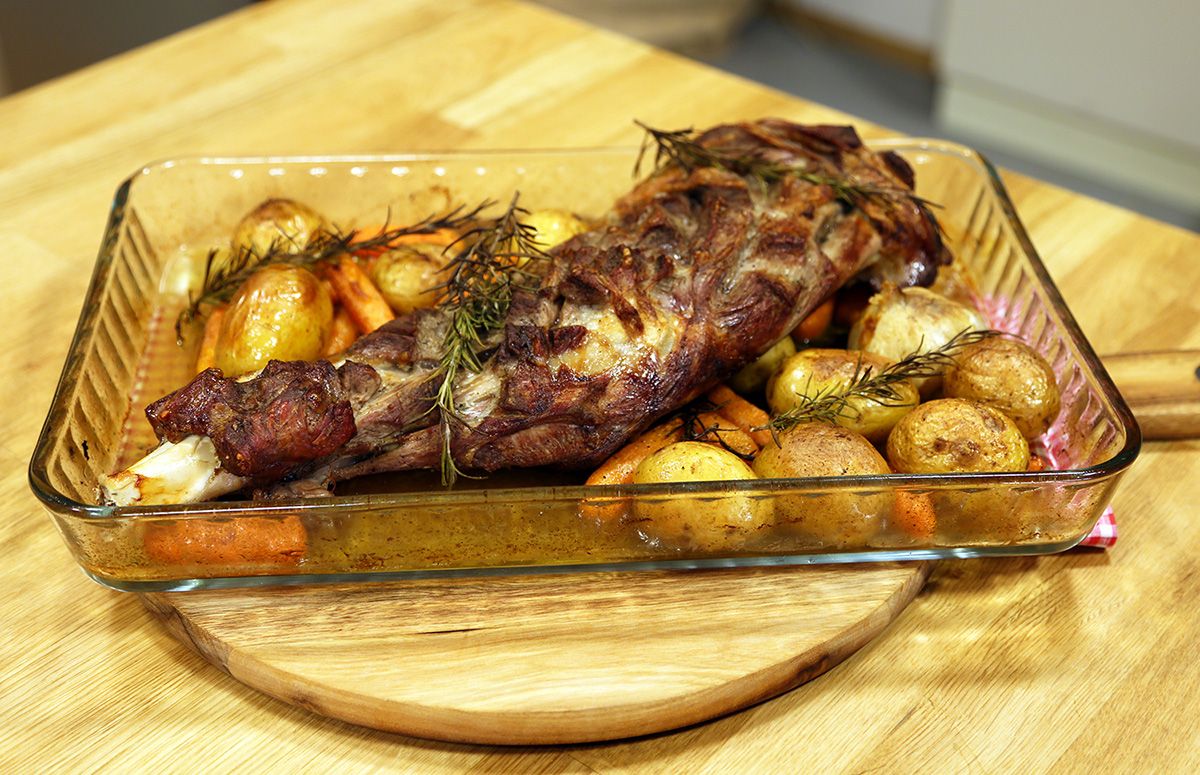
Kuzu Tandır Recipe (Turkish Slow-Roasted Lamb Shoulder)
Ingredients
- 1 bone-in lamb shoulder 2–2.5 kg / 4½–5½ lb
- 2 tablespoons extra virgin olive oil
- 4 garlic cloves crushed
- 2 teaspoons kosher salt
- 2 teaspoons freshly ground black pepper
- 2 teaspoons dried thyme
- 1 teaspoon dried oregano
- Hot water for the oven tray
Instructions
- Step 1
- Remove the lamb shoulder from the refrigerator 45–60 minutes before cooking.
- Pat the meat completely dry using paper towels.
- Trim only excess fat while leaving a thin protective fat layer.
- Step 2
- Mix olive oil, crushed garlic, salt, black pepper, thyme, and oregano in a bowl.
- Massage the seasoning mixture thoroughly over every side of the lamb, including around the bone.
- Step 3
- Lightly wet three sheets of baking paper.
- Wrap the lamb tightly with the baking paper.
- Cover completely with two or three layers of heavy-duty aluminum foil, sealing every edge.
- Step 4
- Preheat the oven to 220°C (425°F).
- Place a roasting pan filled with hot water on the bottom rack.
- Position the wrapped lamb on a wire rack above the water tray.
- Step 5
- Roast at 220°C (425°F) for 2½ hours.
- Reduce the temperature to 120°C (250°F).
- Continue roasting for another 1½–2 hours until the meat becomes extremely tender.
- Step 6
- Carefully unwrap the lamb.
- The meat should easily separate from the bone.
- If using a thermometer, the internal temperature should reach approximately 93–96°C (200–205°F).
- Step 7 (Optional)
- Transfer the lamb to a roasting tray.
- Brush with some cooking juices.
- Roast uncovered at 230°C (445°F) for 8–10 minutes until lightly browned.
- Step 8
- Rest the lamb for 15 minutes.
- Pull the meat apart using forks or tongs.
- Serve immediately with the reserved roasting juices.