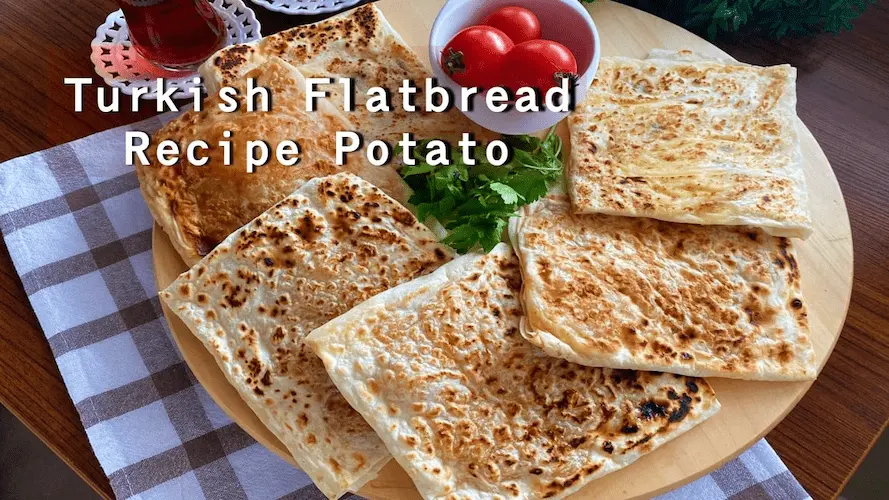
Freshly cooked patatesli gözleme has a way of gathering everyone around the table. The dough is thin and lightly crisp at the edges, while the filling is soft, warm and gently spiced with onion, tomato paste and red pepper. Served with tea or ayran, it is one of the most comforting Turkish breakfast and lunch dishes.
This homemade potato gözleme recipe uses a soft, easy-to-roll dough and a traditional potato filling cooked in a dry pan. You do not need a Turkish sac griddle; a wide non-stick or cast-iron skillet works beautifully at home.
Jump to:
What Is Potato Gözleme?
Potato gözleme, or patatesli gözleme in Turkish, is a thin Turkish stuffed flatbread filled with seasoned mashed potatoes, folded into a half-moon shape and cooked on a hot griddle or skillet. It is crisp in spots, soft inside and commonly enjoyed for breakfast, brunch, lunch or as a satisfying snack.
In Türkiye, gözleme is closely associated with home cooking, village markets and roadside breakfast tables. Traditionally it is rolled thin with an oklava, filled sparingly and cooked on a wide convex metal griddle called a sac. Potato, spinach, cheese and minced meat are among the best-loved fillings.
Patatesli gözleme is especially practical because the filling is made from simple pantry ingredients. A little onion, tomato paste and Turkish red pepper transforms boiled potato into something deeply savory and comforting. For more Turkish dough-based dishes, explore our Turkish pastries recipes.
Ingredients and Why They Matter
This recipe makes 8 medium potato gözleme.
For the Dough
- 600 g all-purpose flour, approximately 5 cups: Enough for a soft but manageable dough that rolls thin without tearing easily.
- 7 g instant dry yeast, 2 1/4 teaspoons: Gives the dough a tender, slightly soft bite. Traditional gözleme can also be unleavened, but this yeast version is especially forgiving for home cooks.
- 360 ml warm water, approximately 1 1/2 cups: Hydrates the dough and activates the yeast. It should feel warm, never hot.
- 10 g salt, approximately 1 1/2 teaspoons: Seasons the dough and strengthens its structure.
- 1 tablespoon olive oil, optional: Makes the dough slightly softer and easier to roll.
For the Potato Filling
- 750 g potatoes, approximately 5 medium potatoes: Use floury potatoes for a soft, mashable filling that does not become watery.
- 2 tablespoons olive oil: Softens the onion and carries the flavor of the spices.
- 1 medium onion, finely diced: Adds sweetness and a savory base to the potato filling.
- 1 tablespoon tomato paste: Gives the filling its familiar Turkish color and gentle richness.
- 1 teaspoon Turkish red pepper flakes or pul biber: Adds mild warmth and aroma. For deeper flavor, see our Turkish red pepper paste recipe.
- 1/2 teaspoon black pepper: Balances the potato filling.
- 1 teaspoon salt, or to taste: Season after tasting, especially if adding cheese.
- 2 tablespoons chopped parsley, optional: Adds freshness to the filling.
For Finishing
- 30 g melted butter or 2 tablespoons olive oil: Brushed over the hot gözleme for softness, shine and flavor.
How to Make Potato Gözleme
1. Boil the Potatoes
Place the potatoes in a saucepan, cover with cold water and bring to a boil. Cook until easily pierced with a knife, about 20 to 25 minutes depending on their size. Drain well, peel when cool enough to handle, then mash while still slightly warm. Set aside.
2. Prepare the Soft Gözleme Dough
Place the flour in a large mixing bowl. Add the yeast, warm water, salt and optional olive oil. Mix until a rough dough forms, then knead for 8 to 10 minutes until smooth and soft. The dough should feel supple but should not stick heavily to your hands.
Cover the bowl with a clean kitchen towel and leave the dough to rest for 35 to 45 minutes. It does not need to double dramatically; a gentle rise makes it easier to roll and gives the cooked gözleme a tender bite.
3. Cook the Potato Filling
Heat the olive oil in a skillet over medium heat. Add the finely diced onion and cook for 4 to 5 minutes until soft and translucent. Stir in the tomato paste and cook for another minute to remove its raw taste.
Add the mashed potatoes, pul biber, black pepper and salt. Mix until the filling is evenly seasoned and no streaks of tomato paste remain. Stir in parsley, if using. Transfer the filling to a plate and leave it to cool completely before filling the dough.
Why cooling matters: Warm filling softens the rolled dough and can make the gözleme tear or become difficult to seal.
4. Divide and Rest the Dough
Turn the dough out onto a lightly floured counter. Divide it into 8 equal pieces and shape each piece into a smooth ball. Cover the dough balls and rest them for 10 minutes. This short rest relaxes the gluten and makes thin rolling much easier.
5. Roll the Dough Thinly
Take one dough ball and keep the others covered. On a lightly floured surface, roll it into a thin round or oval, approximately 25 to 28 cm / 10 to 11 inches across. The dough should be thin enough to cook quickly but not so thin that it tears when folded.
6. Fill and Fold
Spread a thin layer of cooled potato filling over one half of the rolled dough, leaving a 1.5 cm / 1/2 inch border around the edge. Avoid overfilling; traditional gözleme tastes best when the bread and filling remain balanced.
Fold the empty half of the dough over the filling to create a half-moon shape. Press the edges firmly with your fingers to seal. Brush away excess flour before cooking so it does not burn in the pan.
7. Cook in a Dry Pan
Heat a wide dry skillet, cast-iron pan or griddle over medium heat. Place one gözleme in the hot pan and cook for approximately 2 to 3 minutes on the first side, until golden spots appear. Turn and cook the other side for another 2 minutes.
If the bread colors too quickly while the dough still seems raw, lower the heat slightly. Continue with the remaining gözleme, wiping excess burnt flour from the pan between batches if necessary.
8. Brush with Butter and Serve Warm
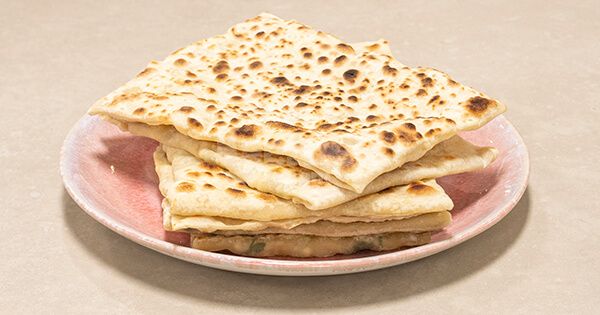
As soon as each gözleme comes out of the pan, brush lightly with melted butter or olive oil. Stack them under a clean kitchen towel to keep them soft while the remaining pieces cook. Slice into triangles and serve while warm.
Expert Tips for the Best Potato Gözleme
- Cool the filling fully before assembling. A cool filling keeps the thin dough easy to handle and prevents tearing.
- Do not overload the dough. Too much potato filling makes sealing difficult and can create heavy, doughy areas.
- Roll thinly but gently. Gözleme should be thin enough to blister in the pan, while still strong enough to hold the filling.
- Cook over medium heat. High heat burns the outside before the inner dough has time to cook through.
- Brush after cooking, not before. A little butter on freshly cooked gözleme softens the surface without making the pan smoky.
- Use a dry pan. Gözleme develops its characteristic toasted patches on a dry hot surface.
Common Mistakes to Avoid
Calling It a Potato Pancake
Patatesli gözleme is not a pancake made from potato batter. It is a Turkish stuffed flatbread made from rolled dough with a potato filling. Naming it correctly helps readers understand the dish and improves the article’s relevance for genuine Turkish recipe searches.
Adding Hot Water to the Yeast
The water should be pleasantly warm to the touch, not steaming. Very hot water can prevent the yeast from working properly and leave the dough dense rather than tender.
Using Wet Potato Filling
If the potatoes are watery or the onion mixture contains excess liquid, the dough may soften and tear. Drain the potatoes thoroughly and cook the filling until it feels dry and easy to spread.
Cooking on Very High Heat
A scorching pan quickly darkens the surface while leaving the fold or inner dough undercooked. Medium heat gives the gözleme time to cook through while forming golden, lightly crisp patches.
Serving and Presentation
Serve potato gözleme hot from the pan, cut into wedges and placed in the center of the table. In a Turkish breakfast setting, it is lovely with fresh tomatoes, cucumbers, olives, white cheese and glasses of hot tea.
For a light lunch or meze-style table, pair patatesli gözleme with cool yogurt dishes such as Turkish cacık or rich haydari. The cool yogurt balances the warm, lightly spicy potato filling beautifully.
Potato gözleme is also delicious served with ayran, pickles or a simple tomato and parsley salad. It is filling enough to stand alone, but easy to share when sliced into small triangles.
Storage and Reheating
Refrigerator: Allow leftover gözleme to cool fully, then store in an airtight container in the refrigerator for up to 3 days. Place parchment paper between pieces if stacking them.
Freezer: Cooked gözleme can be frozen for up to 1 month. Separate each piece with parchment paper, wrap well and freeze flat. Thaw in the refrigerator before reheating.
Reheating: Warm the gözleme in a dry skillet over low to medium heat for 1 to 2 minutes on each side. This restores the soft center and crisp spots much better than microwaving, which can make the dough chewy.
Kitchen Notes
In Turkish homes, no two gözleme fillings are exactly alike. Some cooks keep patatesli gözleme very simple with potato, onion and pul biber. Others add crumbled white cheese, parsley, dried mint or a spoonful of pepper paste.
This yeast dough version is soft and easy for beginners to roll. For a thinner, more village-style result, you can also prepare gözleme dough without yeast using only flour, water and salt, allowing it to rest well before rolling.
If you add cheese, reduce the salt in the potato mixture until you have tasted the filling. Turkish white cheese or feta gives the potato a pleasant salty tang, while kaşar cheese provides a softer, melting texture.
Frequently Asked Questions
Is potato gözleme the same as a potato pancake?
No. Potato gözleme is a Turkish stuffed flatbread made by rolling out dough, adding a seasoned potato filling, folding it and cooking it on a hot pan or griddle. A potato pancake is generally made from shredded or mashed potato batter cooked directly in oil, so the texture and technique are different.
What does patatesli gözleme mean?
Patatesli means “with potato” in Turkish, while gözleme refers to a thin stuffed flatbread cooked on a hot surface. Together, patatesli gözleme means potato-filled Turkish gözleme. It is one of the most familiar vegetarian fillings, along with spinach and cheese versions.
Do I need a Turkish sac griddle to make gözleme?
No. A traditional sac gives gözleme its characteristic cooking style, but a wide non-stick skillet, cast-iron pan or flat griddle works very well at home. Use medium heat and cook the folded bread in a dry pan until both sides develop golden toasted spots.
Can I make potato gözleme without yeast?
Yes. Many traditional gözleme doughs are unleavened and use only flour, salt and water. The yeast dough in this recipe is softer and slightly easier for beginners to work with. For an unleavened version, rest the kneaded dough well before rolling so it becomes flexible and easier to stretch thinly.
Can I prepare the filling in advance?
Yes. Prepare the potato filling up to one day ahead, allow it to cool, then cover and refrigerate. Bring it closer to room temperature before filling the dough so it spreads easily. The filling should remain fairly dry; excess moisture can soften the rolled dough and make sealing more difficult.
What else can I add to potato gözleme filling?
Crumbled feta or Turkish white cheese, chopped parsley, dried mint, spring onion or a little red pepper paste all work beautifully with potato. Keep the filling balanced rather than overly heavy, since good gözleme should still allow the flavor and thin texture of the toasted dough to shine.
Can potato gözleme be made ahead and reheated?
Yes. Cook the gözleme, cool completely and refrigerate in a sealed container for up to three days. Reheat in a dry pan rather than the microwave. A pan warms the potato center while bringing back the lightly crisp, toasted surface that makes freshly cooked gözleme so enjoyable.
What should I serve with potato gözleme?
Potato gözleme is traditionally enjoyed with Turkish tea or ayran and can be served with tomatoes, cucumbers, olives and cheese for breakfast. For lunch or a shared table, pair it with cacık, haydari, a seasonal salad or pickles to add freshness alongside the warm savory filling.
Afiyet olsun!
Potato Gözleme Recipe – Turkish Patatesli Gözleme
Ingredients
Dough
- 600 g all-purpose flour approximately 5 cups
- 7 g instant dry yeast 2 1/4 teaspoons
- 360 ml warm water approximately 1 1/2 cups
- 10 g salt approximately 1 1/2 teaspoons
- 1 tablespoon olive oil optional
Potato Filling
- 750 g potatoes approximately 5 medium potatoes
- 2 tablespoons olive oil
- 1 medium onion finely diced
- 1 tablespoon tomato paste
- 1 teaspoon Turkish red pepper flakes or pul biber
- 1/2 teaspoon black pepper
- 1 teaspoon salt adjusted to taste
- 2 tablespoons chopped parsley optional
Finishing
- 30 g melted butter or 2 tablespoons olive oil
Instructions
- Boil the potatoes until tender, drain, peel and mash while slightly warm.
- Combine flour, yeast, warm water, salt and optional olive oil. Knead for 8 to 10 minutes until soft and smooth.
- Cover the dough and rest for 35 to 45 minutes.
- Heat olive oil in a skillet. Sauté the onion until soft, then stir in tomato paste for 1 minute.
- Add mashed potato, pul biber, black pepper, salt and optional parsley. Mix thoroughly and leave to cool.
- Divide the dough into 8 equal balls. Cover and rest for 10 minutes.
- Roll each dough ball into a thin round or oval approximately 25 to 28 cm wide.
- Spread potato filling over one half, leaving a border around the edge.
- Fold the dough into a half-moon and press the edges firmly to seal.
- Cook in a dry pan over medium heat for 2 to 3 minutes per side until golden with toasted spots.
- Brush with melted butter or olive oil while hot and serve warm.
Notes
- The potato filling must be cool before it touches the rolled dough.
- Use medium heat so the dough cooks through without burning.
- Do not overfill; thin gözleme cooks more evenly and tastes more traditional.
- For a non-yeast version, prepare the dough with flour, water and salt, then rest before rolling.
- Add feta or Turkish white cheese only after reducing the salt slightly.