Hummus recipe is one of the easiest and most satisfying Middle Eastern appetizers you can prepare at home. Made with chickpeas, tahini, fresh lemon juice, garlic, olive oil, and a touch of cumin, this authentic hummus recipe creates a silky, creamy dip that’s perfect for pita bread, fresh vegetables, or a traditional meze platter. Whether you’re making hummus for the first time or looking to master restaurant-quality texture, this detailed guide explains every step, ingredient, and technique so you can achieve consistently smooth, flavorful results.
Across Turkey and the wider Eastern Mediterranean, hummus is more than just a dip. It is a staple of meze tables, family gatherings, and casual meals, appreciated for its rich flavor, nutritious ingredients, and incredible versatility. With just a handful of pantry staples and a few professional techniques, you can make hummus that rivals the best restaurants.
If you enjoy Mediterranean appetizers, you may also like our Appetizers & Meze collection, featuring many traditional dishes served alongside hummus.
Table of Contents
- What Is Hummus?
- Why You’ll Love This Recipe
- Ingredients
- Ingredient Notes & International Substitutions
- Equipment
- Step-by-Step Instructions
- Expert Tips
- Regional Variations
- Common Mistakes
- Serving Suggestions
- Storage & Reheating
- Frequently Asked Questions
- Conclusion
What Is Hummus?
Hummus is a smooth chickpea spread prepared by blending cooked chickpeas with tahini, fresh lemon juice, garlic, olive oil, salt, and cold water. Although the exact origin of hummus remains debated among several Middle Eastern countries, it has become one of the world’s most recognized Mediterranean foods.
In Turkey, hummus is commonly served as part of a traditional meze selection before the main course. Depending on the region, it may be topped with olive oil, paprika, cumin, pine nuts, sautéed pastırma, or warm chickpeas. The basic recipe remains simple, but small regional differences create unique flavors throughout the Eastern Mediterranean.
The secret to authentic hummus is not using more ingredients—it’s understanding how each ingredient contributes to the final texture. Properly cooked chickpeas, quality tahini, balanced acidity, and sufficient blending time are what transform a few simple ingredients into an exceptionally creamy dip.
For a complete Turkish meze experience, hummus pairs beautifully with Turkish Meze Haydari, creating a balance between rich sesame flavors and refreshing yogurt.
Why You’ll Love This Recipe
- Authentic restaurant-style creamy texture.
- Made with simple pantry ingredients available worldwide.
- No unnecessary additives or preservatives.
- Detailed explanations for every important technique.
- Suitable for beginners and experienced home cooks alike.
- Naturally vegan, dairy-free, and rich in plant protein.
- Perfect for meal prep and easy to store.
- Works as a dip, sandwich spread, appetizer, or healthy snack.
Ingredients Hummus Recipe
- 1 cup dried chickpeas – soaked overnight
- 1 teaspoon baking soda
- ⅓ cup tahini
- 3–4 tablespoons freshly squeezed lemon juice
- 1 garlic clove
- 3 tablespoons extra virgin olive oil
- 1 teaspoon salt
- 4–6 tablespoons ice-cold water
- ¼ teaspoon ground cumin (optional)
- Extra olive oil, paprika, chopped parsley and whole chickpeas for garnish
Ingredient Notes & International Substitutions
Chickpeas
Dried chickpeas produce the smoothest texture because they soften more evenly during cooking. If you’re short on time, canned chickpeas are acceptable, but simmer them for an additional 15–20 minutes before blending.
Tahini
Choose a light-colored, runny tahini made from roasted sesame seeds. High-quality tahini creates a naturally creamy consistency without bitterness. If unavailable, look for imported Middle Eastern or Mediterranean brands.
Lemon Juice
Fresh lemon juice provides brighter flavor than bottled juice and balances the richness of tahini. Always add it gradually and taste before adding more.
Olive Oil
Use extra virgin olive oil with a mild, fruity flavor. Extremely peppery oils can dominate the delicate sesame notes.
Garlic
One clove creates balanced flavor. If you prefer a milder hummus, briefly soak chopped garlic in lemon juice before blending.
Ice-Cold Water
This is one of the most overlooked ingredients. Ice water emulsifies the tahini while helping create the pale, fluffy texture found in high-quality hummus.
Hummus is also commonly served alongside fresh salads such as Fine Bulgur Salad (Kısır), making it part of a balanced Mediterranean meal.
Equipment
- Large mixing bowl
- Medium saucepan
- Fine mesh strainer
- Food processor (recommended)
- Silicone spatula
- Measuring cups and spoons
- Serving bowl
Step-by-Step Hummus Recipe Instructions
The difference between ordinary hummus and exceptionally creamy hummus comes down to technique rather than extra ingredients. Each stage builds texture and flavor, so avoid rushing the process.
Step 1 – Soak the Chickpeas
Place the dried chickpeas in a large bowl and cover them with plenty of cold water. Since chickpeas nearly double in size, use at least three times their volume in water. Leave them to soak for 12–18 hours at room temperature.
Proper soaking softens the chickpeas evenly, shortens cooking time, and creates a smoother final texture. If the weather is very warm, refrigerate the bowl during soaking to prevent fermentation.
Step 2 – Cook Until Extremely Soft
Drain the soaked chickpeas and transfer them to a large saucepan. Add fresh water and the baking soda, then bring everything to a boil. Reduce the heat and simmer gently until the chickpeas are exceptionally soft.
This usually takes between 60 and 90 minutes depending on the variety and age of the chickpeas.
They should easily crush between your fingers without resistance. If they still feel firm in the center, continue cooking. Undercooked chickpeas are the number one reason homemade hummus turns grainy.
Step 3 – Drain and Cool Slightly
Drain the chickpeas well but do not rinse them with cold water. Allow them to cool for about 10 minutes so they remain warm without being piping hot.
Warm chickpeas blend much more smoothly than cold ones because they break down more easily and combine better with the tahini.
Step 4 – Prepare the Tahini Base
Add the tahini, lemon juice, garlic, and salt to a food processor.
Blend for about one minute until the mixture becomes lighter in color and noticeably fluffy.
This emulsification step is essential because it creates the creamy foundation before the chickpeas are added. Skipping it often produces dense hummus with separated oil.
Step 5 – Add the Chickpeas
Add the warm chickpeas in several batches while the processor is running.
Blending gradually prevents overloading the machine and produces a much finer puree.
Stop once or twice to scrape down the sides using a silicone spatula so every chickpea is fully incorporated.
Step 6 – Adjust the Texture
With the processor running continuously, slowly drizzle in the ice-cold water one tablespoon at a time.
After each addition, allow the hummus to blend for 20–30 seconds before adding more.
The mixture will gradually become lighter, silkier, and more aerated.
If the hummus still feels thick, continue adding small amounts of cold water until it reaches a smooth, spreadable consistency.
Step 7 – Blend Longer Than You Think
Many home cooks stop blending too early.
Continue processing the hummus for another three to five minutes after everything has combined.
The extra blending time breaks down tiny chickpea particles and produces the ultra-creamy texture found in professional kitchens.
Step 8 – Taste and Balance
Before serving, taste the hummus carefully.
If it tastes too rich, add a little more lemon juice.
If the sesame flavor dominates, add another tablespoon of ice water.
If it tastes flat, add a small pinch of salt and blend again for thirty seconds.
Making small adjustments at this stage creates a much more balanced final flavor.
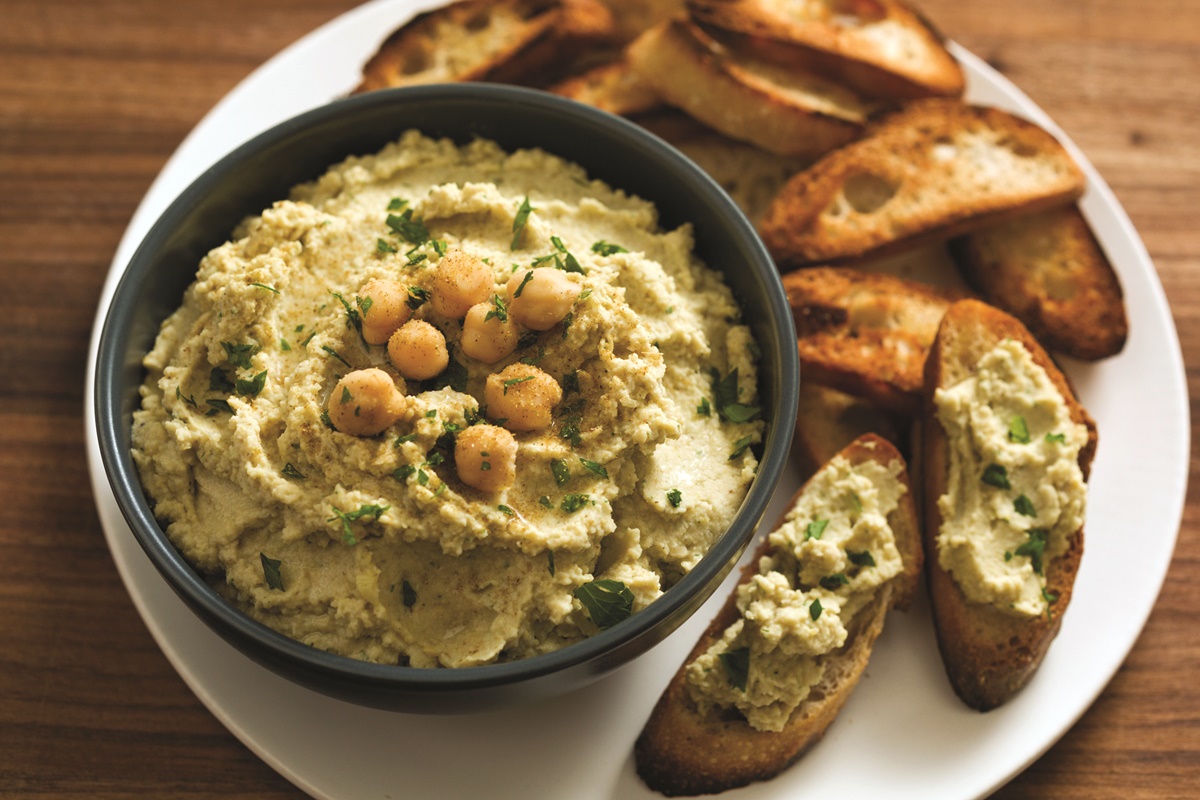
Step 9 – Plate Like a Restaurant
Spoon the hummus into a shallow serving bowl rather than leaving it flat.
Use the back of a spoon to create a circular well around the center.
Drizzle generously with extra virgin olive oil before adding your preferred garnishes.
Traditional toppings include paprika, ground cumin, chopped parsley, toasted pine nuts, whole chickpeas, or a sprinkle of Aleppo pepper.
Expert Tips
- Always use dried chickpeas whenever possible for superior texture.
- Cook the chickpeas until they almost fall apart before blending.
- Blend the tahini first before adding any chickpeas.
- Use freshly squeezed lemon juice instead of bottled juice.
- Add ice-cold water gradually rather than all at once.
- Blend longer than you think necessary—extra blending creates noticeably smoother hummus.
- Allow the hummus to rest for 20–30 minutes before serving so the flavors fully develop.
- Reserve a few whole chickpeas for garnish to create a traditional presentation.
Regional Variations
Although classic hummus follows a simple formula, many regions throughout the Eastern Mediterranean have developed their own traditional versions.
Turkish Style
Turkish hummus is often served warm and may be topped with olive oil, paprika, cumin, pine nuts, or small pieces of sautéed pastırma for extra richness.
Lebanese Style
Typically lighter in color with a brighter lemon flavor and a generous amount of tahini.
Syrian Style
Frequently garnished with whole chickpeas, parsley, olive oil, and warm spices.
Israeli Style
Often served freshly prepared with toppings such as mushrooms, cooked chickpeas, hard-boiled eggs, or spicy sauces.
Whichever variation you choose, the creamy base remains the same and depends on properly cooked chickpeas and well-emulsified tahini.
Common Mistakes
- Using undercooked chickpeas that create a gritty texture.
- Skipping the tahini emulsification step.
- Adding all the water at once instead of gradually.
- Using bitter or poor-quality tahini.
- Stopping the food processor too early.
- Adding excessive garlic that overwhelms the sesame flavor.
- Serving immediately without allowing the flavors to settle.
- Using old dried chickpeas that never become fully tender.
Serving Suggestions
Hummus is one of the most versatile dishes in Middle Eastern and Mediterranean cuisine. While it is traditionally served as part of a meze platter, it also works beautifully as a healthy snack, sandwich spread, or side dish. Its creamy texture pairs well with fresh vegetables, warm breads, grilled meats, and vibrant salads.
For a classic Turkish-inspired meze table, serve hummus alongside Turkish Tzatziki. The cool yogurt and cucumber complement the rich sesame flavor, creating a balanced appetizer selection.
If you’re preparing a larger Mediterranean meal, hummus also pairs perfectly with warm pita, lavash, grilled chicken, lamb kebabs, roasted vegetables, olives, pickled vegetables, and fresh herbs.
For additional flavor, drizzle the hummus generously with extra virgin olive oil and garnish with paprika, Aleppo pepper, toasted pine nuts, chopped parsley, or whole cooked chickpeas immediately before serving.
If you enjoy slightly smokier flavors, a small spoonful of Turkish Red Pepper Paste can be served alongside hummus or lightly swirled into the top before serving.
Storage & Reheating
How to Store
Transfer leftover hummus into an airtight container immediately after serving.
Smooth the surface with a spoon and drizzle a thin layer of olive oil over the top before sealing the container. This helps minimize oxidation and keeps the hummus fresher for longer.
Store in the refrigerator for up to 5 days.
Can You Freeze Hummus?
Yes. Hummus freezes surprisingly well.
Divide it into small airtight containers, leaving a little space for expansion. Freeze for up to 3 months.
Thaw overnight in the refrigerator before serving.
How to Restore Creaminess
After refrigeration, hummus naturally thickens.
Simply stir in one or two tablespoons of ice-cold water together with a drizzle of olive oil, then mix until smooth again.
If available, blend for 20–30 seconds in a food processor to restore the original fluffy texture.
Frequently Asked Questions
1. Why isn’t my hummus creamy?
The most common causes are undercooked chickpeas, insufficient blending time, or adding too little water. Chickpeas should become extremely soft before blending, and processing for several extra minutes makes a dramatic difference in texture.
2. Do I have to peel the chickpeas?
Not necessarily. Properly cooked chickpeas usually blend smoothly without peeling. However, removing the skins can create an even silkier consistency if you have extra time.
3. Can I make hummus without tahini?
Yes, although it will no longer have the traditional flavor. You can replace tahini with a small amount of Greek yogurt, sunflower seed butter, or simply increase the olive oil, but authentic hummus always includes tahini.
4. Can canned chickpeas be used?
Absolutely. For the best results, simmer canned chickpeas for an additional 15–20 minutes before blending. This softens them further and produces a noticeably smoother hummus.
5. Why does my hummus taste bitter?
Bitter hummus usually comes from poor-quality tahini or excessive garlic. Choosing fresh tahini and balancing it with enough lemon juice helps produce a cleaner, milder flavor.
6. Is hummus healthy?
Yes. Hummus contains plant protein, fiber, healthy fats, vitamins, and minerals. When enjoyed in reasonable portions, it is an excellent addition to a balanced Mediterranean-style diet.
7. What can I serve with hummus?
Hummus pairs well with pita bread, lavash, raw vegetables, grilled meats, falafel, roasted vegetables, olives, and fresh salads. It is equally delicious as a sandwich spread or healthy snack.
8. Can hummus be made ahead of time?
Yes. In fact, hummus often tastes even better after resting in the refrigerator for several hours because the garlic, lemon, and tahini have more time to blend into a balanced flavor.
Conclusion
Hummus recipe proves that a handful of simple ingredients can create one of the world’s most beloved appetizers. By focusing on properly cooked chickpeas, high-quality tahini, careful emulsification, and patient blending, you can achieve the smooth, creamy texture usually associated with the best Middle Eastern restaurants.
Whether you’re preparing a traditional meze spread, looking for a healthy snack, or introducing Mediterranean flavors to your family, this authentic hummus recipe is one you’ll return to again and again. Once you’ve mastered the basic technique, you can easily personalize it with your favorite toppings while keeping its timeless character intact.
Authentic Hummus Recipe (Creamy Middle Eastern Chickpea Dip)
Ingredients
- 1 cup dried chickpeas
- Water for soaking
- 1 tsp baking soda
- ⅓ cup tahini
- 3 –4 tbsp fresh lemon juice
- 1 garlic clove
- 3 tbsp extra virgin olive oil
- 1 tsp salt
- 4 –6 tbsp ice-cold water
- ¼ tsp ground cumin optional
For Garnish
- Extra virgin olive oil
- Paprika
- Chopped parsley
- Whole cooked chickpeas
- Aleppo pepper optional
Instructions
- Soak the Chickpeas
- Cover dried chickpeas with plenty of cold water and soak for 12–18 hours.
- Cook the Chickpeas
- Drain, add fresh water and baking soda, then simmer for 60–90 minutes until extremely soft.
- Prepare the Tahini Base
- Blend tahini, lemon juice, garlic and salt for 1 minute until smooth and fluffy.
- Blend the Hummus
- Add warm chickpeas gradually while blending.
- Adjust the Texture
- Slowly add ice-cold water until smooth and creamy.
- Blend Longer
- Continue blending for another 3–5 minutes.
- Taste
- Adjust salt or lemon juice if necessary.
- Serve
- Transfer to a shallow bowl, create swirls with a spoon and garnish with olive oil, paprika, parsley and whole chickpeas.
Notes
- Dried chickpeas always produce a creamier texture than canned.
- Blend tahini before adding chickpeas.
- Ice-cold water creates a lighter, fluffier consistency.
- Rest the hummus for 20–30 minutes before serving.
- Refrigerate up to 5 days.
- Freeze for up to 3 months.