Etli Yaprak Sarma Recipe is a traditional Turkish stuffed grape leaves dish made with tender vine leaves, seasoned ground beef, rice, onions, fresh herbs, and warm spices. This authentic recipe shows you how to make soft, flavorful sarma at home with simple step-by-step instructions and practical cooking tips.
Table of Contents
Recipe Summary
| Prep Time | 45 minutes |
|---|---|
| Cook Time | 60 minutes |
| Total Time | 1 hour 45 minutes |
| Servings | 6 |
| Course | Main Course |
| Cuisine | Turkish |
| Best Served With | Yogurt, Turkish Cacık, salad, or Turkish Rice Pilaf |
What Is Etli Yaprak Sarma?
Etli Yaprak Sarma means “meat-filled wrapped grape leaves” in Turkish. Grape leaves are wrapped around a savory filling made with ground beef, rice, onion, tomato paste, herbs, and spices, then cooked slowly in a pot until the leaves become soft and the rice is fully tender.
The word sarma comes from the Turkish verb sarmak, meaning “to wrap.” In Türkiye, sarma is one of those dishes that appears on family tables, holiday meals, and weekend dinners. It feels special, but it is still a real home-cooked dish rather than restaurant food.
This meat version is more filling than the olive oil vegetarian version. It is usually served warm with yogurt. For a full Turkish table, you can serve it with Cacık, fresh salad, pickles, or a light soup such as Turkish Lentil Soup.
Ingredients Etli Yaprak Sarma Recipe
For the Grape Leaves
- 500 g preserved grape leaves — Jarred or vacuum-packed grape leaves are the easiest option outside Türkiye. Choose medium-sized leaves that are soft, flexible, and not badly torn.
- Warm water — Used for soaking the leaves and removing excess salt from the brine.
For the Filling
- 500 g ground beef — Beef with about 20% fat gives the best juicy texture. Very lean beef can make the filling dry.
- 1 cup short-grain rice — Turkish Baldo rice is ideal. Arborio rice is a good substitute if Baldo is unavailable.
- 2 medium onions, finely grated — Grated onion adds moisture and helps the filling stay tender.
- 2 tablespoons tomato paste — Adds color, body, and a mild sweetness.
- 1 tablespoon Turkish Pepper Paste — Also called biber salçası. It gives a deeper Turkish flavor than tomato paste alone.
- ½ cup fresh parsley, finely chopped — Adds freshness and balances the rich meat filling.
- 2 tablespoons fresh dill, finely chopped — A classic herb in many Turkish stuffed vegetable dishes.
- 1 teaspoon dried mint — Gives sarma its familiar Turkish aroma.
- 1 teaspoon paprika — Adds gentle color and warmth.
- 1 teaspoon Aleppo pepper or pul biber — Mild Turkish-style chili flakes with a fruity flavor.
- 1 teaspoon black pepper — Adds depth without making the filling spicy.
- 1½ teaspoons salt — Adjust carefully if your grape leaves are very salty.
- 5 tablespoons olive oil — Keeps the filling moist and gives a smoother mouthfeel.
For Cooking
- 2 cups hot water or light beef stock — Stock gives a richer flavor, but water also works well.
- Juice of 1 lemon — Brightens the flavor and balances the meat.
- 2 tablespoons olive oil — Adds softness and shine.
- Extra grape leaves — Used to line the bottom of the pot and prevent sticking.
Ingredient Notes
Grape Leaves
Fresh grape leaves are common in Türkiye during spring and early summer, but most home cooks outside Türkiye use preserved grape leaves. They work very well if you rinse and soak them properly. Since preserved leaves are packed in salty brine, taste one small piece before rolling. If it is too salty, soak the leaves a little longer.
Rice
Short-grain rice is best because it absorbs the meat juices and cooking liquid without becoming dry. Long-grain rice can work in emergencies, but it does not give the same soft Turkish sarma texture.
Turkish Pepper Paste
Biber salçası is one of the ingredients that makes this recipe taste truly Turkish. If you cannot find it, mix 1 tablespoon tomato paste with 1 tablespoon roasted red pepper purée. It will not be exactly the same, but it gives a close home-kitchen result. You can also read more in this Turkish Pepper Paste guide.
Aleppo Pepper or Pul Biber
Pul biber is not as sharp as regular chili flakes. It gives gentle heat and a warm pepper flavor. If you cannot find it, use mild chili flakes mixed with a little sweet paprika.
Ground Beef
Ground beef is practical and easy to find globally. For a more traditional taste, you can replace one-third of the beef with ground lamb. Lamb adds richness, but all-beef sarma is still delicious and very common in Turkish homes.
How to Make Etli Yaprak Sarma Recipe
1. Prepare the Grape Leaves
Remove the grape leaves from the jar and separate them gently. Place them in a large bowl and cover with warm water. Let them soak for about 20 minutes, then drain. If the leaves still taste too salty, refresh the water and soak for another 10 minutes.
Cut off any thick stems with a small knife. Do not throw away torn leaves. Use them to line the bottom of the pot. This protects the sarma from direct heat and helps prevent burning.
2. Rinse the Rice
Place the rice in a fine strainer and rinse under cold water until the water runs mostly clear. This removes extra starch and helps keep the filling light rather than sticky.
The rice goes into the filling uncooked. It will cook slowly inside the grape leaves and absorb the flavor from the meat, onion, tomato paste, pepper paste, herbs, and cooking liquid.
3. Make the Filling
In a large bowl, combine the ground beef, rinsed rice, grated onions, tomato paste, Turkish pepper paste, parsley, dill, dried mint, paprika, pul biber, black pepper, salt, and olive oil.
Mix gently with your hand or a spoon. Do not knead the mixture heavily. The goal is to combine the ingredients evenly, not to make a firm meatball mixture. Overmixing can make the cooked filling dense.
The filling should look moist and slightly loose. If it feels dry, add 2–3 tablespoons of water. If it looks watery, add 1 tablespoon of rice.
4. Roll the Sarma
Place one grape leaf on a cutting board with the veined side facing up and the shiny side facing down. The stem end should be closest to you.
Add 1 to 1½ teaspoons of filling near the bottom center of the leaf. Fold the bottom over the filling, fold in both sides, and roll upward into a small cylinder.
The roll should be snug but not tight. Rice expands as it cooks, so the filling needs a little space. If you roll too tightly, the sarma may burst. If you roll too loosely, it may open during cooking.
5. Arrange the Pot
Line the bottom of a wide pot with torn grape leaves. Arrange the rolled sarma seam-side down in tight rows or circles. Keep them close together so they do not move while cooking.
If you need a second layer, place it neatly over the first. Try to keep the rolls similar in size so they cook evenly.
6. Add the Cooking Liquid
Mix hot water or light beef stock with lemon juice and olive oil. Pour it gently over the sarma. The liquid should come about three-quarters of the way up the rolls. It should not completely cover them.
Place a small heatproof plate over the sarma. This is a traditional Turkish method that keeps the rolls from floating or opening while the rice expands.
7. Cook Slowly
Cover the pot and bring it to a gentle simmer over medium heat. Once you see small bubbles around the edges, reduce the heat to low.
Cook for 45–60 minutes, depending on the thickness of the grape leaves and the size of the rolls. Do not boil aggressively. A slow simmer gives soft leaves and evenly cooked rice.
8. Rest Before Serving
When the rice is tender and the leaves are soft, turn off the heat. Let the sarma rest in the covered pot for 15–20 minutes. This helps the rolls hold their shape and allows the flavors to settle.
Expert Tips
- Do not overfill the leaves. Rice expands while cooking, so small rolls are safer and more elegant.
- Use a wide pot. A wide pot helps the sarma cook evenly without crushing the bottom layer.
- Always taste the grape leaves first. Some brands are much saltier than others.
- Keep the heat low. Strong boiling can tear the leaves and loosen the rolls.
- Use a plate on top. This simple step prevents the sarma from opening.
- Let it rest. Sarma tastes better and serves more neatly after resting.
Common Mistakes
Using Grape Leaves Without Soaking
Preserved grape leaves can be very salty. If you use them directly from the jar, the whole dish may taste too briny. Rinse and soak them first.
Adding Too Much Filling
Large rolls may look generous, but they often split during cooking. A small amount of filling gives better texture and shape.
Rolling Too Tightly
Rice needs room to expand. Tight rolls can burst or become dense inside.
Cooking Too Fast
Sarma should simmer gently. High heat can break the leaves and make the filling cook unevenly.
Skipping the Resting Time
Freshly cooked sarma is delicate. Resting helps the filling settle and makes the rolls easier to serve.
Serving Suggestions
Etli Yaprak Sarma is usually served warm, not piping hot. After resting, the grape leaves become softer, the filling settles, and the lemony cooking liquid tastes more balanced. In Turkish homes, it is often placed in the center of the table with yogurt on the side.
The most classic serving choice is plain yogurt. The cool, creamy texture balances the warm meat filling and the slightly tangy grape leaves. If you want a more refreshing side, serve it with Turkish Cacık, which is made with yogurt, cucumber, garlic, mint, and dill.
For a more complete Turkish meal, serve Etli Yaprak Sarma with a simple salad, pickled cucumbers, or Turkish Bulgur Pilaf. If you prefer a lighter table, a bowl of Turkish Yogurt Soup before the main dish works beautifully.
Best Side Dishes
- Plain yogurt — The most common and easiest side for meat-filled grape leaves.
- Cacık — A refreshing Turkish yogurt and cucumber side dish.
- Shepherd-style salad — Chopped tomatoes, cucumber, onion, parsley, olive oil, and lemon.
- Pickled cucumbers — Their acidity balances the rich filling.
- Fresh bread — Useful for enjoying the flavorful cooking juices.
Storage and Reheating
How to Store
Let the sarma cool completely before storing. Place the rolls in an airtight container and spoon a little cooking liquid over them. This keeps the grape leaves moist and prevents the rice from drying out.
Etli Yaprak Sarma keeps well in the refrigerator for up to 4 days. Because the filling contains meat, do not leave it at room temperature for a long time after cooking.
Can You Freeze Etli Yaprak Sarma?
Yes, Etli Yaprak Sarma freezes well. Arrange the cooked and cooled rolls in a freezer-safe container. Add a few spoonfuls of cooking liquid, close the container tightly, and freeze for up to 3 months.
For best texture, thaw it overnight in the refrigerator rather than at room temperature. Slow thawing helps the grape leaves and rice filling keep their shape.
How to Reheat
The best way to reheat sarma is on the stovetop. Place the rolls in a small pot with a few tablespoons of water or reserved cooking liquid. Cover and warm over low heat for 10–15 minutes.
You can also reheat it in the microwave, but use medium power and cover the dish. High heat can dry out the grape leaves and make the filling firm.
A Short Note on Turkish Sarma Culture
In Türkiye, sarma is more than a recipe, but it does not need a long story to be appreciated. It is simply one of those dishes that brings people together. Many families prepare it in large batches, with one person separating the leaves, another filling, and someone else rolling.
Etli Yaprak Sarma is especially common for family dinners, holiday tables, and guests. The small, neat rolls show care and patience. That is why homemade sarma often feels more personal than many other dishes in Turkish cuisine.
FAQ
Can I use fresh grape leaves instead of jarred grape leaves?
Yes. Fresh grape leaves work very well, but they need to be softened first. Blanch them in boiling water for about 1–2 minutes, then transfer them to cold water. This makes them flexible enough to roll without tearing.
Why are my grape leaves still tough after cooking?
The leaves may be thick, old, or undercooked. Add a little more hot water, cover the pot again, and continue cooking on low heat for 10–15 minutes. Some preserved grape leaves need longer cooking than others.
Why did my sarma fall apart?
Sarma usually falls apart when the leaves are torn, the rolls are too loose, the pot has too much liquid, or the heat is too high. Roll gently but securely, arrange the rolls tightly, and always cook them at a low simmer.
Can I make Etli Yaprak Sarma ahead of time?
Yes. This is actually a good make-ahead dish. The flavor often improves after a few hours because the grape leaves, meat, rice, herbs, and cooking liquid have time to settle together.
Can I make this recipe without meat?
Yes, but it becomes a different Turkish recipe called Zeytinyağlı Yaprak Sarma. The meatless version usually uses more olive oil, onions, rice, herbs, and sometimes pine nuts or currants. It is commonly served at room temperature.
What is the best rice for Turkish sarma?
Short-grain rice is best. Turkish Baldo rice is traditional because it absorbs flavor while staying tender. Arborio rice is the closest international substitute. Long-grain rice can make the filling drier and less authentic.
Do I need to cook the rice before filling the grape leaves?
No. The rice should go into the filling uncooked. It cooks slowly inside the grape leaves and absorbs flavor from the meat, onions, pastes, herbs, and cooking liquid. Pre-cooked rice can become mushy.
Can I use lamb instead of beef?
Yes. Lamb gives a richer and more traditional flavor. You can use all lamb or mix one-third lamb with two-thirds beef. If using lamb, choose a moderately fatty grind so the filling stays juicy.
How much filling should I put in each grape leaf?
Use about 1 to 1½ teaspoons for medium grape leaves. Larger leaves can take up to 2 teaspoons. Do not overfill, because the rice expands while cooking and may split the leaves.
Is Etli Yaprak Sarma served hot or cold?
Etli Yaprak Sarma is usually served warm. The vegetarian olive oil version is often served at room temperature or cold, but the meat version tastes best warm with yogurt or Cacık.
Conclusion
Etli Yaprak Sarma is a traditional Turkish stuffed grape leaves recipe that rewards careful preparation. The ingredients are simple, but the small details matter: soak the leaves, do not overfill, roll gently, cook slowly, and let the sarma rest before serving.
Once you understand the method, this dish becomes much easier than it looks. With tender grape leaves, juicy meat filling, soft rice, herbs, lemon, and olive oil, homemade Etli Yaprak Sarma brings one of the most comforting flavors of Turkish cuisine to your table.
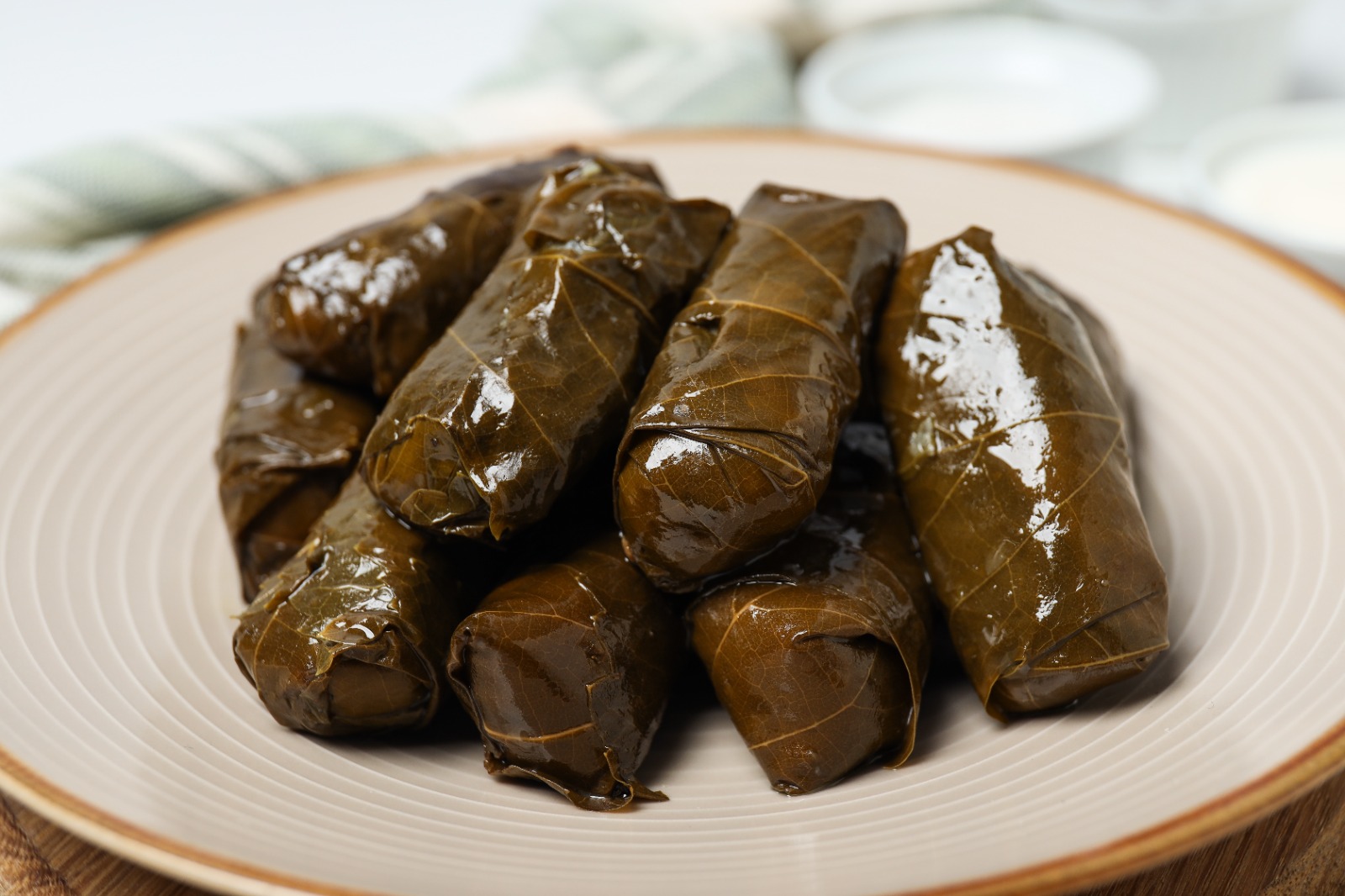
Etli Yaprak Sarma Recipe (Authentic Turkish Stuffed Grape Leaves)
Ingredients
For the Grape Leaves
- 500 g preserved grape leaves rinsed and soaked
- Warm water for soaking
For the Filling
- 500 g ground beef about 20% fat
- 1 cup short-grain rice Baldo or Arborio
- 2 medium onions finely grated
- 2 tbsp tomato paste
- 1 tbsp Turkish pepper paste biber salçası
- ½ cup fresh parsley finely chopped
- 2 tbsp fresh dill finely chopped
- 1 tsp dried mint
- 1 tsp paprika
- 1 tsp Aleppo pepper pul biber
- 1 tsp freshly ground black pepper
- 1½ tsp salt
- 5 tbsp extra virgin olive oil
For Cooking
- 2 cups hot water or light beef stock
- Juice of 1 lemon
- 2 tbsp olive oil
- Extra grape leaves for lining the pot
Instructions
- Separate the preserved grape leaves carefully. Rinse under cold water, then soak them in warm water for about 20 minutes to remove excess salt. Drain well and trim away any thick stems.
- Step 2
- Rinse the rice until the water runs almost clear. This removes excess starch and helps create a lighter filling.
- Step 3
- In a large bowl, combine the ground beef, rice, grated onions, tomato paste, Turkish pepper paste, parsley, dill, dried mint, paprika, Aleppo pepper, black pepper, salt, and olive oil. Mix gently until evenly combined without overworking the meat.
- Step 4
- Lay one grape leaf shiny side down on a cutting board. Place about 1–1½ teaspoons of filling near the stem end. Fold the bottom over the filling, fold in both sides, and roll into a compact cylinder. Continue until all the filling has been used.
- Step 5
- Line the bottom of a wide pot with extra grape leaves. Arrange the stuffed grape leaves seam-side down in tight layers.
- Step 6
- Mix the hot water or beef stock with lemon juice and olive oil. Pour the liquid gently into the pot until it reaches about three-quarters of the height of the rolls.
- Step 7
- Place a small heatproof plate directly over the grape leaves to keep them from opening during cooking.
- Step 8
- Cover the pot and bring it to a gentle simmer over medium heat. Reduce the heat to low and cook for 45–60 minutes, or until the grape leaves are tender and the rice is fully cooked.
- Step 9
- Remove the pot from the heat and let the sarma rest for about 20 minutes before serving. Serve warm with yogurt or Turkish Cacık.
Notes
- Always soak preserved grape leaves before using them.
- Do not overfill each leaf because the rice expands while cooking.
- Cook over low heat to keep the rolls intact.
- A small plate placed over the sarma helps prevent them from opening.
- For a richer flavor, replace one-third of the beef with ground lamb.
- Leftovers taste even better the next day after the flavors have developed.