
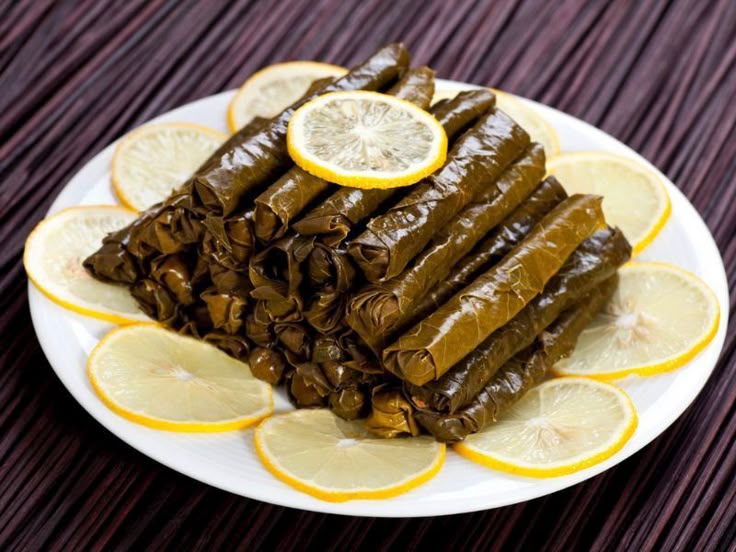
Stuffed Grape Leaves Recipe is one of the most iconic dishes in Turkish cuisine. Known in Türkiye as Zeytinyağlı Yaprak Sarma, these tender vine leaves are filled with a fragrant mixture of rice, onions, olive oil, fresh herbs, and warm spices, then gently simmered until perfectly soft. This authentic recipe will show you how to make delicious Turkish stuffed grape leaves at home using simple ingredients, practical techniques, and traditional cooking methods.
Table of Contents
- Recipe Summary
- What Is Zeytinyağlı Yaprak Sarma?
- Ingredients
- Ingredient Notes & Easy Substitutions
- How to Make Stuffed Grape Leaves
- Expert Tips
- Common Mistakes
- Serving Suggestions
- Storage & Reheating
- Frequently Asked Questions
Recipe Summary
| Prep Time | 45 minutes |
|---|---|
| Cook Time | 60 minutes |
| Total Time | 1 hour 45 minutes |
| Servings | 6 |
| Course | Appetizer / Main Dish |
| Cuisine | Turkish |
| Diet | Vegetarian • Dairy Free |
What Is Zeytinyağlı Yaprak Sarma?
Zeytinyağlı Yaprak Sarma is the traditional Turkish vegetarian version of stuffed grape leaves. Unlike the meat-filled variation, this recipe uses a flavorful mixture of rice, onions, olive oil, pine nuts, currants, fresh herbs, and aromatic spices. The rolls are cooked slowly in olive oil and lemon-infused water until the grape leaves become silky and the filling is tender.
In Türkiye, this dish is usually served at room temperature as part of a meze table, alongside classics such as Haydari, Şakşuka, and refreshing Cacık. It is also a popular choice during summer gatherings because it can be prepared in advance and tastes even better after resting in the refrigerator.
Although stuffed grape leaves are enjoyed across the Mediterranean and the Middle East, the Turkish version stands out for its balanced use of olive oil, fresh herbs, lemon, and subtle sweetness from currants. Every region has its own small variations, but the goal is always the same: soft grape leaves wrapped around a light, aromatic filling that is satisfying without feeling heavy.
Ingredients Stuffed Grape Leaves Recipe
For the Grape Leaves
- 500 g preserved grape leaves – Jarred grape leaves are widely available and produce excellent results when soaked properly.
- Warm water – Used to rinse and remove excess salt from preserved leaves.
For the Rice Filling
- 1½ cups short-grain rice – Turkish Baldo rice is traditional because it stays tender while absorbing flavor. Arborio rice is an excellent substitute.
- 2 large onions, finely diced – Slowly cooked onions create a naturally sweet and flavorful filling.
- ½ cup extra virgin olive oil – The star ingredient of this recipe. Use a good-quality olive oil because its flavor is noticeable in every bite.
- 2 tablespoons pine nuts – Lightly toasted pine nuts add a delicate buttery crunch.
- 2 tablespoons currants – A classic ingredient in Turkish olive oil dishes that provides gentle sweetness. If unavailable, finely chopped golden raisins can be used.
- 2 tablespoons tomato paste – Adds color and richness without overpowering the herbs.
- 1 tablespoon Turkish Pepper Paste (Biber Salçası) – Gives the filling its authentic Turkish depth of flavor.
- ½ cup fresh parsley, finely chopped – Adds freshness and balances the richness of the olive oil.
- 3 tablespoons fresh dill, finely chopped – One of the signature herbs in Turkish olive oil dishes.
- 2 tablespoons fresh mint, finely chopped – Adds a refreshing aroma that complements the lemon.
- 1 teaspoon dried mint
- 1 teaspoon ground cinnamon – Used in a very small amount to add warmth, not sweetness.
- 1 teaspoon allspice – Gives the filling its traditional aromatic character.
- 1 teaspoon paprika
- 1 teaspoon Aleppo pepper (Pul Biber)
- 2 teaspoons salt
- 1 teaspoon freshly ground black pepper
For Cooking
- 2½ cups hot water
- Juice of 2 lemons
- 3 tablespoons olive oil
- Extra grape leaves for lining the pot
- Lemon slices for the top of the rolls (optional)
Ingredient Notes & Easy Substitutions
Grape Leaves
If you cannot find fresh vine leaves, preserved grape leaves in jars are the best alternative. Rinse them well under cold water and soak them in warm water for about 20 minutes to remove excess salt. This simple step gives a cleaner, more balanced flavor.
Rice
Short-grain rice is essential because it absorbs olive oil, herbs, and lemon while remaining tender. Avoid long-grain rice, which tends to stay dry and separate inside the rolls.
Pine Nuts & Currants
These ingredients are traditional in many Turkish olive oil recipes. Pine nuts provide a delicate nutty texture, while currants add tiny bursts of sweetness that balance the lemon and herbs. If pine nuts are unavailable, chopped walnuts can be used, although the flavor will be different. Golden raisins are the closest substitute for currants.
Turkish Pepper Paste
Biber salçası is made from sweet red peppers and gives stuffed grape leaves a richer flavor than tomato paste alone. If you cannot find it, mix tomato paste with roasted red pepper purée. For more information, see our Turkish Pepper Paste guide.
Fresh Herbs
Fresh parsley, dill, and mint are what make this recipe taste bright and fresh. Dried herbs can be used in an emergency, but fresh herbs create a much more authentic result.
How to Make Stuffed Grape Leaves
Making Zeytinyağlı Yaprak Sarma takes a little patience, but none of the steps are difficult. The key is preparing the filling correctly, rolling the grape leaves gently, and cooking them slowly. Once you understand these basics, you’ll find this recipe much easier than it looks.
Step 1 – Prepare the Grape Leaves
Separate the grape leaves carefully to avoid tearing them. Rinse each leaf under cold running water, then place them in a bowl of warm water for about 20 minutes. This removes excess salt from the brine and softens the leaves, making them easier to roll.
Drain well and trim any thick stems with a small knife. If some leaves are torn, keep them aside. You’ll use them later to line the bottom of the pot, which helps prevent sticking during cooking.
Step 2 – Cook the Onion Base
Heat the olive oil in a wide pan over medium-low heat. Add the diced onions and cook slowly for about 8–10 minutes until they become soft and translucent. The onions should not brown. Slow cooking develops their natural sweetness, which is one of the signature flavors of authentic Turkish olive oil dishes.
Add the pine nuts and continue cooking for another 2–3 minutes until they are lightly golden and fragrant.
Step 3 – Prepare the Rice Filling
Stir in the rinsed rice, tomato paste, and Turkish pepper paste. Cook everything together for about 2 minutes so the rice becomes lightly coated with the olive oil and tomato mixture.
Add the currants, paprika, allspice, cinnamon, Aleppo pepper, black pepper, and salt. Mix well before pouring in about ½ cup of hot water.
Cook over low heat for 5 minutes, just until the rice begins to absorb the liquid. The rice should remain firm because it will finish cooking inside the grape leaves.
Remove the pan from the heat and allow the mixture to cool for 10 minutes. Stir in the chopped parsley, dill, fresh mint, and dried mint. Mixing the herbs after cooling helps preserve their fresh flavor and bright green color.
Step 4 – Roll the Grape Leaves
Lay one grape leaf flat on a cutting board with the shiny side facing down and the veins facing upward. Place about one teaspoon of filling near the stem end.
Fold the bottom over the filling, fold in both sides, then roll tightly enough to hold its shape but not so tightly that the rice cannot expand while cooking.
Try to keep every roll approximately the same size. Even-sized rolls cook more evenly and create a much nicer presentation.
Step 5 – Arrange the Pot
Cover the bottom of a wide saucepan with the reserved grape leaves. This traditional Turkish technique protects the bottom layer from direct heat.
Arrange the stuffed grape leaves seam-side down in tight circles. Continue adding layers if necessary. Keeping the rolls close together prevents them from opening while cooking.
If desired, place a few thin lemon slices between the layers or on top of the rolls. As they cook, the lemons gently perfume the filling without making it overly sour.
Step 6 – Add the Cooking Liquid
Mix the hot water with the lemon juice and olive oil. Carefully pour the liquid into the pot until it reaches about three-quarters of the height of the grape leaves.
Place a small heatproof plate directly over the rolls before covering the pot with its lid. This simple step keeps the grape leaves compact while the rice expands.
Step 7 – Cook Slowly
Bring the pot to a gentle simmer over medium heat. As soon as the liquid begins to bubble lightly, reduce the heat to low.
Cook for about 50–60 minutes without stirring. The grape leaves should become tender while the rice slowly absorbs the flavorful cooking liquid.
If the pot begins to dry before the rice is fully cooked, add a few tablespoons of hot water around the edges of the pot instead of pouring it directly over the rolls.
Step 8 – Cool Before Serving
Unlike the meat version, Zeytinyağlı Yaprak Sarma is traditionally cooled before serving.
Remove the pot from the heat and leave the lid closed for about 20 minutes. Then transfer the rolls carefully to a serving plate and allow them to cool completely.
For the best flavor, refrigerate them for at least 2 hours before serving. The olive oil, lemon, herbs, and spices become more balanced after resting, which is why many Turkish families prepare stuffed grape leaves a day in advance.
Expert Tips
- Use good-quality olive oil. Since this is an olive oil dish, the flavor of the oil makes a noticeable difference.
- Never overcook the onions. Soft onions create sweetness, while browned onions change the traditional flavor.
- Do not overfill the grape leaves. Rice expands during cooking, so leave a little room inside each roll.
- Always cook over low heat. Gentle simmering keeps the grape leaves tender and prevents the filling from becoming mushy.
- Let the rolls rest. Stuffed grape leaves taste even better after several hours in the refrigerator.
- Use fresh herbs whenever possible. Fresh dill, parsley, and mint create a brighter and more authentic flavor than dried herbs alone.
Common Mistakes
Skipping the Soaking Step
Jarred grape leaves can be very salty. If they are not soaked properly, the finished dish may taste overly salty even if the filling is perfectly seasoned.
Cooking the Rice Completely Before Rolling
The rice should only be partially cooked. Fully cooked rice becomes too soft after the grape leaves finish simmering.
Using Too Much Filling
Large rolls often split during cooking because the rice expands. Smaller, evenly rolled grape leaves are easier to cook and serve.
Boiling Instead of Simmering
High heat causes the grape leaves to move around inside the pot, making them more likely to tear or open. A slow simmer is essential.
Serving Immediately
Although the stuffed grape leaves can be eaten warm, they reach their best flavor after cooling completely. This resting time allows the olive oil and herbs to develop a smoother, more balanced taste.
Serving Suggestions
Zeytinyağlı Yaprak Sarma is traditionally served at room temperature or slightly chilled rather than hot. This resting period allows the olive oil, herbs, and lemon to blend together, creating the fresh, balanced flavor that makes this dish so popular throughout Türkiye.
Arrange the stuffed grape leaves neatly on a serving platter and garnish with fresh lemon wedges, chopped dill, or parsley. Just before serving, drizzle a little extra virgin olive oil over the top for extra flavor and shine.
This dish is often part of a Turkish meze table and pairs beautifully with Haydari, refreshing Cacık, Şakşuka, or a bowl of Turkish Lentil Soup for a complete Turkish meal.
What to Serve with Stuffed Grape Leaves
- Plain Turkish yogurt
- Cacık (Turkish yogurt and cucumber dip)
- Fresh Shepherd’s Salad
- Crusty bread or warm Turkish bread
- Pickled vegetables
- Fresh lemon wedges
Storage & Reheating
How to Store
Allow the stuffed grape leaves to cool completely before storing them. Transfer them to an airtight container and spoon a little of the cooking liquid over the top to keep the grape leaves moist.
They will keep well in the refrigerator for up to 5 days. In fact, many people find that they taste even better the following day after the herbs and olive oil have had more time to develop their flavor.
Can You Freeze Stuffed Grape Leaves?
Yes. Arrange the cooled grape leaves in freezer-safe containers without overcrowding them. Add a few tablespoons of cooking liquid before sealing the container.
Freeze for up to 3 months. Thaw overnight in the refrigerator before serving.
Do They Need Reheating?
Unlike meat-filled grape leaves, Zeytinyağlı Yaprak Sarma is traditionally enjoyed cold or at room temperature, so reheating is usually unnecessary.
If you prefer serving them warm, heat them gently over very low heat with a few tablespoons of water. Avoid boiling, as this may cause the grape leaves to split.
Frequently Asked Questions
Can I use fresh grape leaves instead of preserved ones?
Yes. Fresh grape leaves should be blanched in boiling water for about 1–2 minutes, then transferred to cold water before rolling. This softens the leaves and makes them easier to work with.
Why are my stuffed grape leaves falling apart?
This usually happens when the rolls are too loose, overfilled, or boiled too vigorously. Roll them gently but firmly, arrange them tightly in the pot, and always cook over low heat.
Why is the rice still hard after cooking?
The rice may need a little more liquid or additional cooking time. Add a few tablespoons of hot water, cover the pot, and continue cooking for another 10–15 minutes over low heat.
Can I make this recipe ahead of time?
Absolutely. This is one of the best make-ahead dishes in Turkish cuisine. Prepare it the day before serving and refrigerate overnight for even better flavor.
Can I leave out the pine nuts or currants?
Yes. Although both ingredients are traditional, the recipe will still be delicious without them. Pine nuts add texture, while currants provide a gentle sweetness that balances the lemon and herbs.
Which olive oil should I use?
Choose a good-quality extra virgin olive oil with a mild, fruity flavor. Since olive oil is one of the main ingredients, its quality has a noticeable effect on the finished dish.
Can I serve stuffed grape leaves warm?
You can, but they are traditionally served at room temperature or slightly chilled. Cooling allows the olive oil and herbs to develop a smoother, more balanced flavor.
How do I know when they are fully cooked?
The grape leaves should be tender, and the rice should be completely cooked without any firm center. The rolls should hold their shape while remaining soft enough to cut easily with a fork.
A Short Taste of Turkish Tradition
Zeytinyağlı Yaprak Sarma has long been part of Turkish family kitchens and celebration tables. Every region has its own variation, but the heart of the recipe remains the same: quality olive oil, fragrant herbs, carefully rolled grape leaves, and patience.
Many Turkish families prepare large batches together, especially before holidays or family gatherings. Rolling grape leaves is often a shared activity where recipes, stories, and traditions are passed from one generation to the next. Today, it remains one of the best examples of the simplicity and elegance of Turkish home cooking.
Conclusion
This authentic Stuffed Grape Leaves Recipe brings together simple ingredients and traditional Turkish cooking techniques to create one of the most loved olive oil dishes in Türkiye. Tender grape leaves, fragrant rice, fresh herbs, lemon, and extra virgin olive oil come together in every bite.
Whether you are preparing Zeytinyağlı Yaprak Sarma for a family dinner, a holiday gathering, or a Mediterranean-inspired appetizer, taking your time with the rolling and slow cooking process will reward you with beautifully shaped, flavorful stuffed grape leaves that taste just like those served in Turkish homes.
Stuffed Grape Leaves Recipe (Zeytinyağlı Yaprak Sarma)
Ingredients
For the Grape Leaves
- 500 g preserved grape leaves rinsed and soaked
- Warm water for soaking
For the Rice Filling
- 1½ cups short-grain rice Baldo preferred
- 2 large onions finely diced
- ½ cup extra virgin olive oil
- 2 tbsp pine nuts
- 2 tbsp currants
- 2 tbsp tomato paste
- 1 tbsp Turkish pepper paste biber salçası
- ½ cup fresh parsley finely chopped
- 3 tbsp fresh dill finely chopped
- 2 tbsp fresh mint finely chopped
- 1 tsp dried mint
- 1 tsp ground cinnamon
- 1 tsp ground allspice
- 1 tsp paprika
- 1 tsp Aleppo pepper pul biber
- 2 tsp salt
- 1 tsp freshly ground black pepper
For Cooking
- 2½ cups hot water
- Juice of 2 lemons
- 3 tbsp extra virgin olive oil
- Extra grape leaves for lining the pot
- Lemon slices optional
Instructions
- Step 1
- Rinse the preserved grape leaves thoroughly under cold water, then soak them in warm water for about 20 minutes. Drain well and trim away any thick stems.
- Step 2
- Heat the olive oil in a large sauté pan over medium-low heat. Add the onions and cook until soft and translucent, about 8–10 minutes. Stir in the pine nuts and cook for another 2 minutes.
- Step 3
- Add the rice, tomato paste, Turkish pepper paste, currants, paprika, cinnamon, allspice, Aleppo pepper, salt, and black pepper. Mix well and pour in ½ cup of hot water. Cook for about 5 minutes until the rice begins to absorb the liquid. Remove from the heat and let cool slightly before mixing in the parsley, dill, and fresh mint.
- Step 4
- Place one grape leaf shiny-side down. Add about one teaspoon of filling near the stem end. Fold the bottom over the filling, fold in both sides, and roll into a compact cylinder. Repeat with the remaining leaves.
- Step 5
- Line the bottom of a wide pot with extra grape leaves. Arrange the stuffed grape leaves seam-side down in tight layers.
- Step 6
- Mix the hot water, lemon juice, and olive oil. Pour over the grape leaves until the liquid reaches about three-quarters of the height of the rolls. Place a heatproof plate over the top.
- Step 7
- Cover the pot and bring to a gentle simmer. Reduce the heat to low and cook for 50–60 minutes, or until the grape leaves are tender and the rice is fully cooked.
- Step 8
- Remove from the heat and allow the stuffed grape leaves to rest for about 20 minutes. Cool completely before serving. For the best flavor, refrigerate for at least 2 hours before serving.
Notes
- Always soak preserved grape leaves to remove excess salt.
- Use a good-quality extra virgin olive oil since it is one of the main flavors in this dish.
- Do not overfill the grape leaves because the rice expands during cooking.
- A heatproof plate placed on top keeps the rolls tightly packed.
- Stuffed grape leaves taste even better the next day after chilling overnight.
- Serve with plain yogurt, Turkish Cacık, or fresh lemon wedges.