
What Is Imam Bayildi?
Imam bayildi is a classic Turkish olive oil dish made with whole eggplants filled with slowly cooked onions, tomatoes and garlic. Unlike karnıyarık, it does not contain meat. The finished eggplants are tender, richly flavoured and traditionally enjoyed warm, at room temperature or cool as part of a Turkish meal.
The name is commonly translated as “the imam fainted.” Several stories are told about why: some say he fainted from delight after tasting the dish, while others say he was shocked by the generous amount of olive oil used. Whatever the true origin of the name, the dish remains one of Türkiye’s best-loved vegetable preparations.
Imam bayildi is often grouped with Turkish zeytinyağlılar: vegetables cooked with olive oil and served without needing to be piping hot. This matters because its flavour develops as it rests. Onion, tomato, garlic and olive oil slowly settle into the eggplant, creating a dish that is soft, sweet-savoury and beautifully balanced.
Imam Bayildi in Turkish Cuisine
Eggplant holds a special place in Turkish cooking. It appears roasted and smoky in purées, fried in summer vegetable dishes, layered with meat, stuffed with rice or cooked slowly with onions and olive oil. Imam bayildi shows one of the most elegant sides of this tradition: an everyday vegetable transformed through patient cooking rather than complicated technique.
On Turkish tables, imam bayildi may be served as a vegetable main course, as part of a summer spread or alongside other small dishes. Because it is cooked with olive oil and no meat, it is especially suited to meals where several plates are shared: yogurt, salad, bread, rice and perhaps another warm dish beside it.
It is also useful to know the difference between this recipe and its close relative, Karnıyarık. Both use softened eggplants opened through the centre, but karnıyarık is filled with minced meat and served hot as a hearty main dish. Imam bayildi is filled with onion and tomato, leaning into the gentle richness of olive oil cooking.
Why You Will Love This Recipe
- Naturally vegetarian: The filling is built from onions, tomato, garlic and olive oil rather than meat.
- Wonderful make-ahead dish: Imam bayildi often tastes even better after resting.
- Soft, silky eggplant texture: Properly softened eggplants absorb the sauce beautifully.
- Flexible serving temperature: Serve it warm, at room temperature or lightly chilled.
- A true Turkish classic: It introduces the olive oil-based vegetable side of Turkish home cooking.
Ingredients for Imam Bayildi and Why They Matter
This recipe makes four main-course portions or six smaller portions when served as part of a shared Turkish meal.
For the Eggplants
- 4 medium eggplants: Choose firm, shiny eggplants of similar size so they soften evenly and hold their shape.
- 1 teaspoon salt: Used to season the eggplants and help remove excess surface moisture before cooking.
- 4 tablespoons olive oil: Helps the eggplants soften and brings the classic flavour of a Turkish olive oil dish.
For the Onion and Tomato Filling
- 3 medium onions, thinly sliced: Imam bayildi should be generous with onion; as it cooks, the onion becomes sweet and silky.
- 4 garlic cloves, thinly sliced: Gives the filling its traditional savoury warmth.
- 2 green peppers, thinly sliced: Adds freshness and a gentle pepper aroma.
- 3 ripe tomatoes, peeled and diced: Provides moisture and balanced acidity.
- 1 tablespoon tomato paste: Optional but useful for deepening flavour, especially outside peak tomato season.
- 4 tablespoons olive oil: Allows the onions to cook softly rather than simply brown.
- 1/2 teaspoon salt: Seasons the filling.
- 1/2 teaspoon black pepper: Adds gentle warmth.
- 1/2 teaspoon sweet paprika or Turkish red pepper flakes: Optional, for colour and a mild aromatic note.
- 1 teaspoon sugar, optional: Helpful only when the tomatoes are noticeably acidic.
- 2 tablespoons chopped parsley: Adds freshness before serving.
For Cooking and Garnish
- 120 ml hot water, about 1/2 cup: Helps the filled eggplants cook gently without drying out.
- 1 tomato, sliced: For topping each filled eggplant.
- 1 green pepper, sliced lengthwise: Adds a familiar Turkish presentation and roasted aroma.
- Lemon juice, a few drops if needed: Brightens the finished dish, especially when served cool.
How to Make Imam Bayildi Step by Step
Step 1: Prepare the Eggplants
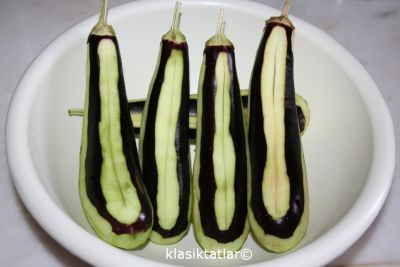
Wash and dry the eggplants. Peel each one in alternating lengthwise strips, leaving some purple skin attached so the vegetables keep their shape after cooking. Cut a shallow slit down the centre of each eggplant without slicing completely through.
Place them in salted water for 10 to 20 minutes, then rinse and pat them thoroughly dry.
Step 2: Prepare the Vegetables for the Filling
While the eggplants rest, thinly slice the onions and garlic. Dice or thinly slice the green peppers, then peel and chop the tomatoes. Having everything ready before cooking helps the filling soften evenly without burning the onions.
Step 3: Slowly Cook the Onions
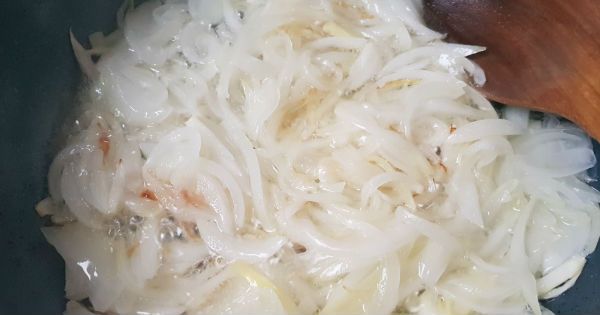
Heat 4 tablespoons of olive oil in a wide skillet over medium-low heat. Add the onions and a pinch of salt. Cook for 8 to 10 minutes, stirring regularly, until softened and lightly golden rather than deeply browned.
Step 4: Finish the Tomato and Onion Filling
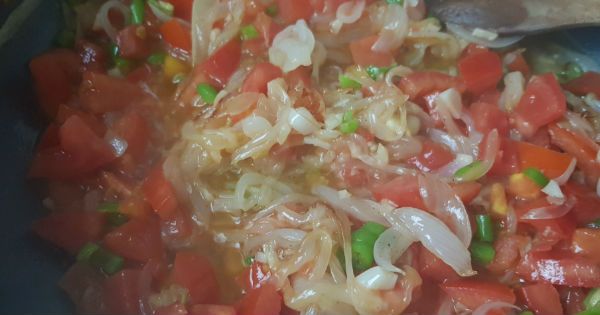
Add the garlic and peppers and cook for 2 minutes. Stir in the diced tomatoes, tomato paste if using, black pepper, optional paprika and optional sugar. Cook over medium-low heat for about 10 minutes, until the tomatoes soften and the mixture becomes juicy but not watery.
Step 5: Soften the Eggplants
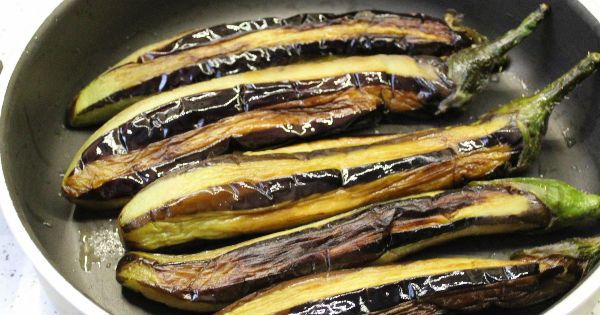
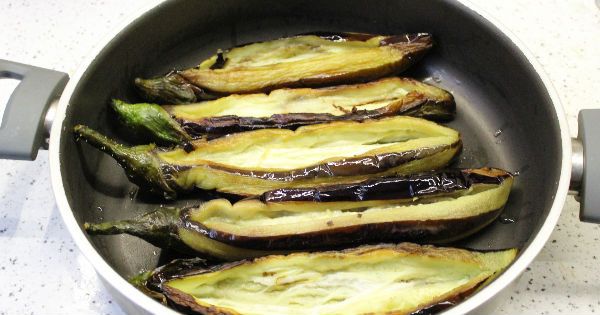
For the traditional pan method, heat olive oil in a wide pan and fry the dried eggplants gently on all sides until softened and lightly coloured. Remove them to a plate lined with kitchen paper to drain excess oil.
For a lighter oven method, place the eggplants on a lined tray, brush generously with olive oil and bake at 400°F / 200°C for 25 to 30 minutes, turning once, until tender enough to open with a spoon.
Step 6: Open and Fill the Eggplants
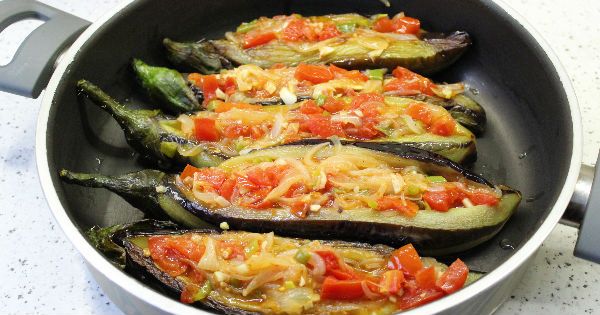
Arrange the softened eggplants side by side in a wide pot or baking dish, slit side facing upward. Carefully open each centre with a spoon, creating a pocket without tearing through the sides. Divide the onion and tomato filling evenly between the eggplants.
Step 7: Cook Gently Until Silky
Top each eggplant with a slice of tomato and a strip of green pepper. Add 1/2 cup hot water around the eggplants. Cover and cook over very low heat for approximately 20 minutes, or bake at 350°F / 180°C for 25 to 30 minutes, until the eggplants are silky and the filling has settled into them.
Step 8: Rest and Serve
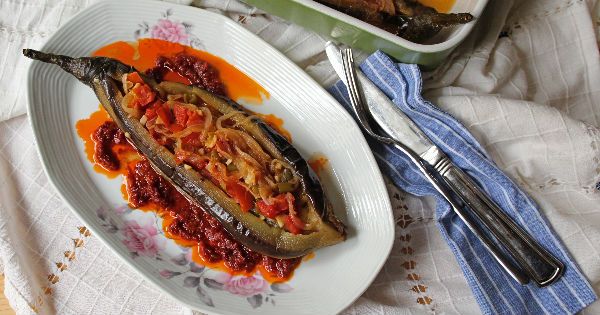
Allow the imam bayildi to rest for at least 20 to 30 minutes before serving. Spoon a little of the sauce around each eggplant, scatter with chopped parsley and add a few drops of lemon juice only if the dish needs brightness.
A Practical Home Method: Roasted Imam Bayildi
Traditional imam bayildi is often made by frying the eggplants before filling them. That method creates a very soft and rich result, but for everyday home cooking I recommend roasting the eggplants with olive oil. It is easier to manage, uses less oil and still gives the vegetable a tender, silky interior.
The most important detail is to soften the eggplants properly before filling. If the eggplants are firm at the centre, the finished dish will feel undercooked even if the onion mixture is excellent. Roast them until they open easily with a spoon, then let the final cooking stage bring the flavours together.
Do not reduce the olive oil too aggressively. Imam bayildi is an olive oil dish by character; its pleasure comes from the way the cooked onion, tomato and tender eggplant are carried by that richness.
Equipment You Will Need
- Wide skillet: For cooking the onions slowly without crowding them.
- Wide pot or medium baking dish: For arranging the stuffed eggplants in one layer.
- Sharp knife or vegetable peeler: For the striped peel and centre slit.
- Wooden spoon: For stirring the filling and opening the softened eggplants carefully.
- Paper towel-lined plate: Useful when using the traditional fried eggplant method.
Expert Tips for Perfect Imam Bayildi
- Use plenty of onion. The softly cooked onions are not a minor ingredient; they form the heart of the filling.
- Cook onions gently. High heat browns them too quickly before they become sweet and tender.
- Choose ripe tomatoes. Good tomatoes give the dish its natural sauce and keep the filling bright.
- Leave strips of skin on the eggplant. This helps each filled portion hold together after cooking.
- Let the dish rest. Imam bayildi tastes more harmonious after the olive oil and tomato juices have settled.
- Serve it at the right temperature. Warm or room-temperature servings reveal more flavour than eating it straight from a very hot pan.
Common Mistakes When Making Imam Bayildi
Using Too Little Onion
A small amount of onion makes the filling taste like ordinary tomato sauce. Imam bayildi needs a generous onion base cooked slowly until sweet and soft, because that is what gives the meat-free filling its depth.
Leaving the Eggplants Too Firm
The eggplant should be tender enough to open easily before it is filled. If the vegetable remains firm, it will not absorb the onion and tomato flavours properly, and the finished dish will lack its signature silky texture.
Cooking the Filling Until Dry
The onion and tomato filling should be reduced but still moist. If cooked completely dry, it will not settle gently into the eggplant during the final stage. A little juicy tomato texture is desirable.
Trying to Serve It Immediately
Imam bayildi is not at its best when it is rushed from the heat directly to the plate. Resting gives the eggplant time to absorb its sauce and allows the olive oil-based flavours to become softer and more balanced.
Confusing It with Karnıyarık
Both dishes use filled eggplants, but they are not interchangeable. Imam bayildi is meat-free and olive oil focused; karnıyarık contains minced meat and is normally served hot as a hearty main course.
Serving and Presentation
Imam bayildi can be served slightly warm, at room temperature or cool, making it particularly useful for summer meals and make-ahead tables. Serve one eggplant per person as a light main dish, or offer smaller portions as part of a shared Turkish meal.
For a satisfying dinner, pair it with Turkish Rice Pilaf and plain yogurt. For a cool and refreshing accompaniment, serve it with Turkish Cacık, especially when the weather is warm.
If you are building a meal around Turkish eggplant recipes, serve imam bayildi as the olive oil-based vegetarian plate and explore Turkish Moussaka on another occasion for a heartier meat-based interpretation of eggplant cooking.
Substitutions and Variations
Can I Bake the Eggplants Instead of Frying Them?
Yes. Brush the striped eggplants with olive oil and roast at 400°F / 200°C until soft before filling them. The final dish will be lighter and easier to prepare, while still keeping the tender texture and olive oil character expected from imam bayildi.
Can I Use Canned Tomatoes?
Ripe fresh tomatoes are especially good in summer, but good-quality canned chopped tomatoes can be used when fresh tomatoes lack flavour. Drain off a little excess liquid if needed so the filling becomes soft and juicy rather than watery.
Can I Add Meat?
If you want a meat-filled Turkish stuffed eggplant, prepare karnıyarık rather than modifying imam bayildi. The two dishes share an eggplant shape but have distinct cooking traditions, serving styles and flavour balances.
Nutrition and Portion Guidance
Imam bayildi is a vegetable-based dish, but it is not intended to be oil-free. Olive oil gives the onions their silky texture and helps carry flavour into the eggplant. Using the roasted method and dividing this recipe into four main portions, each serving is approximately 260 calories, depending on the amount of oil absorbed.
For a lighter meal, serve it with yogurt and salad. For a more substantial Turkish-style dinner, add rice pilaf and bread. Nutrition values should always be treated as estimates because eggplants absorb oil differently depending on their size and cooking method.
Storage and Reheating
Imam bayildi stores very well because its olive oil and tomato flavours continue to settle as it rests. Cool the cooked eggplants completely, then refrigerate in a covered container for up to 3 days.
To serve after refrigeration, bring the dish closer to room temperature for 20 to 30 minutes, or warm it very gently. Avoid aggressive reheating, as the eggplants are already soft and may lose their shape.
Freezing is possible for up to 2 months, but the eggplant texture will be softer after thawing. For the best appearance and mouthfeel, this is a dish worth enjoying fresh or refrigerated rather than frozen.
Kitchen Notes
- Imam bayildi is meat-free: Its rich flavour comes from onions, tomato, garlic and olive oil.
- Eggplant size matters: Medium eggplants cook evenly and plate more attractively than oversized ones.
- The filling should be onion-forward: Tomato supports the filling, but softened onions give the dish its sweetness.
- Resting improves flavour: Prepare it earlier in the day when possible and serve after the flavours have settled.
- Roasting is a good home method: It reduces frying while still producing a tender, generous dish.
Frequently Asked Questions About Imam Bayildi
What does imam bayildi mean?
Imam bayildi is commonly translated as “the imam fainted.” Popular stories say the imam either fainted from delight after tasting the dish or was astonished by the amount of olive oil used. The exact story is uncertain, but the name has become inseparable from this beloved Turkish eggplant dish.
Is imam bayildi served hot or cold?
Imam bayildi can be served warm, at room temperature or cool. Because it is an olive oil-based dish, its flavour often improves after resting. Many home cooks prepare it in advance and serve it closer to room temperature, especially as part of a summer table or shared meal.
What is the difference between imam bayildi and karnıyarık?
Imam bayildi is a vegetarian dish filled with softened onions, tomatoes and garlic cooked in olive oil. Karnıyarık contains minced meat and is usually served hot as a substantial main course. Their shapes are similar, but their fillings, cooking character and place on the table are different.
Do I need to fry eggplants for imam bayildi?
No. Frying is traditional and produces an especially rich result, but roasting is a reliable home alternative. Brush the eggplants with olive oil and roast them until soft before filling. This method is easier, lighter and still allows the eggplants to absorb the onion and tomato mixture beautifully.
Why is my imam bayildi bland?
The most common reasons are using too little onion, under-seasoning the filling or failing to cook the onions long enough. Imam bayildi needs slowly softened onions, ripe tomato, garlic, olive oil and sufficient resting time. A few drops of lemon juice before serving can brighten a flat-tasting dish.
Can I prepare imam bayildi a day ahead?
Yes. It is one of the best Turkish dishes to prepare in advance. Cook the eggplants completely, cool them and refrigerate overnight in their sauce. Serve at room temperature or warm gently the next day. The resting time often improves the flavour as the eggplant absorbs the olive oil mixture.
What should I serve with Turkish imam bayildi?
Serve imam bayildi with rice pilaf, fresh bread, yogurt or cacık and a simple seasonal salad. It can also be included in a larger meze-style table. Since the eggplants are soft and olive oil rich, fresh, cool accompaniments provide an especially good contrast.
Can I freeze imam bayildi?
You can freeze cooked imam bayildi for up to two months, but freezing softens the texture of eggplant. Cool it completely, freeze with a little of its sauce and thaw in the refrigerator before gently warming. For the finest texture, refrigerating leftovers for several days is preferable to freezing.
Bring This Olive Oil Turkish Classic to Your Table
Imam bayildi is a beautiful reminder that Turkish cooking does not need meat or complicated preparation to create depth. Eggplant, onion, tomato, garlic and olive oil become something genuinely memorable when they are cooked patiently and allowed to rest.
Serve it with rice, yogurt and bread, or offer it among several small dishes on a generous table. However you enjoy it, this soft, savoury eggplant dish is one of the finest ways to experience Türkiye’s long tradition of olive oil cooking.
Turkish Imam Bayildi Recipe with Tomato and Olive Oil
Ingredients
- For the Eggplants:
- 4 medium eggplants
- 1 teaspoon salt
- 4 tablespoons olive oil
- For the Filling:
- 3 medium onions thinly sliced
- 4 garlic cloves thinly sliced
- 2 green peppers thinly sliced
- 3 ripe tomatoes peeled and diced
- 1 tablespoon tomato paste optional
- 4 tablespoons olive oil
- 1/2 teaspoon salt
- 1/2 teaspoon black pepper
- 1/2 teaspoon sweet paprika or Turkish red pepper flakes optional
- 1 teaspoon sugar optional
- 2 tablespoons chopped parsley
- For Cooking and Garnish:
- 120 ml hot water about 1/2 cup
- 1 tomato sliced
- 1 green pepper sliced lengthwise
- A few drops lemon juice optional
Instructions
- Wash and dry the eggplants. Peel them in alternating lengthwise strips, leaving some skin attached. Make one shallow lengthwise slit in each eggplant without cutting all the way through.
- Place the eggplants in salted water for 10 to 20 minutes. Rinse and pat completely dry.
- Heat 4 tablespoons olive oil in a wide skillet over medium-low heat. Add the sliced onions and a pinch of salt. Cook for 8 to 10 minutes, stirring regularly, until soft and lightly golden.
- Add the garlic and green peppers and cook for 2 minutes. Stir in the diced tomatoes, optional tomato paste, black pepper, optional paprika and optional sugar. Cook for about 10 minutes, until juicy but not watery. Remove from the heat.
- For the traditional method, gently fry the dried eggplants in olive oil until softened and lightly coloured on all sides, then drain on paper towels. For the roasted method, brush the eggplants with olive oil and roast at 400°F / 200°C for 25 to 30 minutes, until tender.
- Arrange the softened eggplants in a wide pot or baking dish with the slit sides facing upward. Carefully open their centres with a spoon.
- Divide the onion and tomato filling evenly between the eggplants. Top each one with a slice of tomato and a piece of green pepper.
- Pour 120 ml hot water around the eggplants. Cover and cook over very low heat for about 20 minutes, or bake at 350°F / 180°C for 25 to 30 minutes, until very tender.
- Rest for at least 20 minutes before serving. Scatter with chopped parsley and add a few drops of lemon juice if desired.
- Serve warm, at room temperature or cool with rice pilaf, yogurt, cacık or fresh bread.
Notes
Calories: Approximately 260 kcal
Carbohydrates: Approximately 24 g
Protein: Approximately 4 g
Fat: Approximately 18 g
Saturated Fat: Approximately 3 g
Fiber: Approximately 10 g
Sodium: Approximately 420 mg