
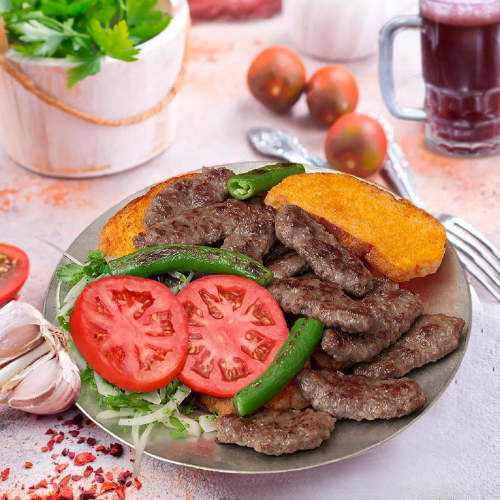
Juicy grilled meatballs, slices of bread soaked in rich beef broth, smoky aromas from the grill, and a side of fiery pepper relish—this is the essence of Islama Köfte, one of the most beloved dishes from Sakarya, Turkey. While it may look simple at first glance, the secret lies in the flavorful broth-soaked bread that transforms an ordinary meatball meal into something unforgettable.
If you have ever visited Sakarya, especially the historic district of Adapazarı, you have likely seen local restaurants serving rows of toasted bread drenched in broth and topped with perfectly grilled köfte. In this guide, you will learn the authentic method, practical substitutions for international cooks, and all the expert tips needed to recreate traditional Sakarya-style Islama Köfte at home.
Table of Contents
What Is Islama Köfte?
Islama Köfte is a traditional Turkish meatball dish originating from Sakarya in northwestern Turkey. The name “Islama” comes from the Turkish word meaning “soaked” or “dipped.” Unlike ordinary meatball dishes, Islama Köfte is served over toasted bread slices that are soaked with seasoned beef broth.
The bread absorbs the rich meat juices and broth while remaining slightly crisp around the edges. Combined with grilled meatballs and roasted peppers, it creates a comforting meal that perfectly represents Turkish grill culture.
Today, Islama Köfte is considered one of Sakarya’s culinary symbols and is often featured among the most famous dishes in articles about Regional Turkish Foods.
The Story Behind Sakarya Islama Köfte
The origins of Islama Köfte date back to the Balkan immigrants who settled in the Sakarya region during the late Ottoman period. Families brought their meatball-making traditions with them, but local cooks developed a unique serving style using stale village bread and homemade bone broth.
Rather than wasting leftover bread, slices were grilled and soaked in flavorful broth prepared from beef bones and meat drippings. Over time, this practical solution became the defining feature of the dish.
Today, many restaurants in Sakarya still use recipes passed down through generations, and locals often insist that the bread is just as important as the meatballs themselves.
Cultural Significance of Islama Kofte
Islama Kofte is more than a meatball dish; it is one of the culinary symbols of Sakarya. The recipe reflects the region’s history, migration culture, and practical approach to food. Many historians believe the dish evolved after Balkan immigrants settled in northwestern Turkey during the late Ottoman period, bringing their meatball traditions with them.
What makes Islama Kofte unique is its use of broth-soaked bread. In traditional Turkish households, bread has always been considered valuable and should never be wasted. Local cooks developed a method of grilling stale bread and soaking it in rich beef broth, transforming simple ingredients into a satisfying meal.
Today, Islama Kofte remains one of the most famous foods associated with Sakarya and Adapazarı. Family-owned restaurants continue to prepare the dish using recipes passed down through generations, often serving it alongside grilled peppers, tomatoes, and ayran.
For many locals, Islama Kofte represents hospitality, family gatherings, and weekend meals shared with friends. Visitors traveling through the Marmara region frequently stop in Sakarya specifically to experience this traditional specialty, making it one of Turkey’s most recognized regional meat dishes.
Ingredients
For the Köfte
- 500 g ground beef (20% fat recommended for juicy meatballs)
- 1 medium onion, finely grated
- 2 cloves garlic, grated
- 1 teaspoon salt
- ½ teaspoon black pepper
- ½ teaspoon cumin
- 2 tablespoons breadcrumbs
For the Broth-Soaked Bread
- 8 slices rustic Turkish bread or country bread
- 2 cups beef broth
- 1 tablespoon butter
- 1 teaspoon paprika
For Serving
- Grilled green peppers
- Sliced tomatoes
- Pickled peppers
- Fresh parsley
Ingredient Notes & Substitutions
Ground Beef: Traditional Islama Köfte uses moderately fatty beef. Lean beef can produce dry meatballs, so avoid extra-lean varieties if possible.
Bread: Turkish village bread is ideal. Outside Turkey, sourdough, Italian rustic bread, or French country bread work well.
Beef Broth: Homemade broth gives the most authentic flavor. If using store-bought broth, choose low-sodium beef stock and adjust seasoning later.
Cumin: Turkish köfte often includes a small amount of cumin. It should support the flavor rather than dominate it.
Butter: The butter enriches the broth and helps create the characteristic aroma found in Sakarya restaurants.
How to Make Islama Köfte
Step 1: Prepare the Meatball Mixture
Place the ground beef, grated onion, garlic, breadcrumbs, salt, black pepper, and cumin in a large bowl.
Knead the mixture for 5–7 minutes until it becomes smooth and slightly sticky. This step helps develop texture and prevents the meatballs from falling apart during cooking.
Cover and refrigerate for at least 1 hour. Overnight chilling delivers even better flavor.
Step 2: Shape the Köfte
Divide the mixture into approximately 12 equal portions.
Shape each portion into oval meatballs about 1.5 cm thick.
Traditional Islama Köfte is slightly elongated rather than perfectly round.
Step 3: Prepare the Broth
Heat the beef broth in a saucepan.
Add the butter and paprika.
Simmer gently for 5 minutes.
The broth should be hot but not boiling aggressively.
Step 4: Toast the Bread
Toast the bread slices on a grill pan, barbecue, or skillet until lightly crisp.
The bread should develop golden edges while remaining sturdy enough to absorb broth.
Step 5: Soak the Bread
Dip each toasted bread slice into the warm broth for 2–3 seconds.
Do not leave the bread submerged for too long.
The goal is moist, flavorful bread—not soggy bread.
Step 6: Grill the Köfte
Heat a grill pan or charcoal grill over medium-high heat.
Cook the meatballs for approximately 4–5 minutes per side.
The exterior should be nicely browned while the inside remains juicy.
Internal temperature should reach 71°C (160°F).
Step 7: Assemble the Dish
Arrange the soaked bread slices on a serving platter.
Place the grilled meatballs on top.
Add grilled peppers and tomato slices alongside.
Serve immediately while hot.
Expert Tips for Authentic Islama Köfte
- Allow the meat mixture to rest overnight for deeper flavor.
- Use beef broth made from marrow bones whenever possible.
- Toast the bread before soaking to prevent it from breaking apart.
- Charcoal grilling produces the most authentic aroma.
- Do not overwork the meat mixture after chilling.
- Serve immediately after assembly for the best texture.
Common Mistakes
Using Lean Meat
Fat contributes moisture and flavor. Very lean meat often produces dry köfte.
Over-Soaking the Bread
Many first-time cooks leave the bread in the broth too long. The bread should absorb flavor without becoming mushy.
Cooking Over Excessive Heat
Extremely high temperatures can burn the outside before the inside cooks properly.
Skipping the Resting Time
Resting allows the flavors to blend and improves the texture significantly.
What to Serve with Islama Köfte
Traditional restaurants in Sakarya often serve Islama Köfte with:
- Pickled Cucumber
- Turkish Tzatziki (Cacık)
- Turkish Lentil Soup
- Turkish Bulgur Pilaf
- Fresh seasonal salad
- A glass of traditional Turkish ayran
If you enjoy Turkish grilled dishes, you may also like Adana Kebab Recipe, Lamb Beyti Kebab Recipe, and Iskender Kebab Recipe.
Storage & Reheating
Refrigerator
Store cooked meatballs in an airtight container for up to 3 days.
Store bread separately whenever possible.
Freezer
The meatballs freeze well for up to 3 months.
Freeze in portion-sized containers for convenience.
Reheating
Reheat the meatballs in a skillet over medium heat or in a 180°C (350°F) oven for 8–10 minutes.
Prepare fresh broth-soaked bread before serving for the best texture.
Frequently Asked Questions
Why is it called Islama Köfte?
The word “Islama” refers to the bread being soaked in seasoned beef broth before serving. This technique distinguishes it from other Turkish meatball dishes.
Can I make Islama Köfte without a grill?
Yes. A cast-iron skillet or grill pan produces excellent results. You may lose some charcoal flavor, but the dish will still be delicious.
What type of bread is best?
Rustic village-style bread with a firm crumb works best because it absorbs broth without disintegrating.
Can I use chicken instead of beef?
Traditional Islama Köfte uses beef. Chicken can be used, but the flavor profile will differ significantly from the authentic version.
Can I prepare the meat mixture in advance?
Absolutely. Preparing the mixture one day ahead actually improves flavor and texture.
What makes Sakarya Islama Köfte unique?
The broth-soaked bread is the defining feature. The seasoned bread becomes almost as important as the meatballs themselves.
Can I use store-bought broth?
Yes. Homemade broth is ideal, but a high-quality beef stock can still produce excellent results.
Is Islama Köfte spicy?
Traditional versions are mildly seasoned rather than spicy. Heat can be added through grilled peppers or Turkish pepper flakes.
Kitchen Notes
The biggest secret of exceptional Islama Köfte is balance. The bread should be moist but not soggy, the meatballs juicy but not greasy, and the broth flavorful without overpowering the meat. Focus on these three elements and you will create a version remarkably close to the famous restaurants of Sakarya.
Islama Köfte Recipe
Ingredients
For the Kofte
- 500 g ground beef approximately 20% fat for juicy meatballs
- 1 medium yellow onion finely grated
- 2 garlic cloves grated
- 2 tablespoons breadcrumbs
- 1 teaspoon salt
- ½ teaspoon freshly ground black pepper
- ½ teaspoon ground cumin
For the Broth
- 2 cups beef broth or stock
- 1 tablespoon unsalted butter
- 1 teaspoon sweet paprika
- ¼ teaspoon black pepper
For the Bread
- 8 slices rustic Turkish village bread
- or sourdough bread
- or Italian country bread
For Serving
- 4 grilled green peppers
- 2 medium tomatoes sliced
- fresh parsley
- pickled peppers optional
- Turkish ayran optional
Instructions
Prepare the Meat Mixture
- Place the ground beef, grated onion, garlic, breadcrumbs, salt, black pepper and cumin into a large mixing bowl.
- Knead the mixture thoroughly for 5 to 7 minutes until it becomes smooth and slightly sticky.
- This kneading process helps the proteins bind together and creates the traditional texture of Turkish köfte.
- Cover and refrigerate for at least 1 hour.
- For best results, let the mixture rest overnight.
Shape the Kofte
- Divide the meat mixture into 12 equal portions.Shape each piece into slightly oval meatballs approximately 1.5 cm thick.Traditional Sakarya Islama Köfte is usually elongated rather than perfectly round.
Prepare the Broth
- In a saucepan, combine beef broth, butter, paprika and black pepper.Heat over medium heat.Allow the mixture to simmer gently for 5 minutes.Do not boil aggressively because excessive evaporation can concentrate the salt.
Toast the Bread
- Place the bread slices on a grill pan or skillet.Toast both sides until lightly golden.The bread should become slightly crispy while maintaining enough structure to absorb the broth.
Soak the Bread
- Dip each toasted bread slice into the hot broth for 2 to 3 seconds.Do not leave the bread submerged.The goal is moist bread with texture, not soggy bread.Arrange the soaked slices on a serving platter.
Grill the Meatballs
- Preheat a grill pan or charcoal grill over medium-high heat.Cook the meatballs for approximately 4 to 5 minutes per side.The outside should develop a rich brown crust while remaining juicy inside.The internal temperature should reach 71°C (160°F).
Grill the Peppers
- While the meatballs are cooking, grill the green peppers until lightly charred.This adds the smoky flavor commonly found in traditional Sakarya restaurants.Step 8 – Assemble and ServeArrange the grilled meatballs over the broth-soaked bread.Add grilled peppers and sliced tomatoes alongside.Garnish with parsley.Serve immediately while hot.