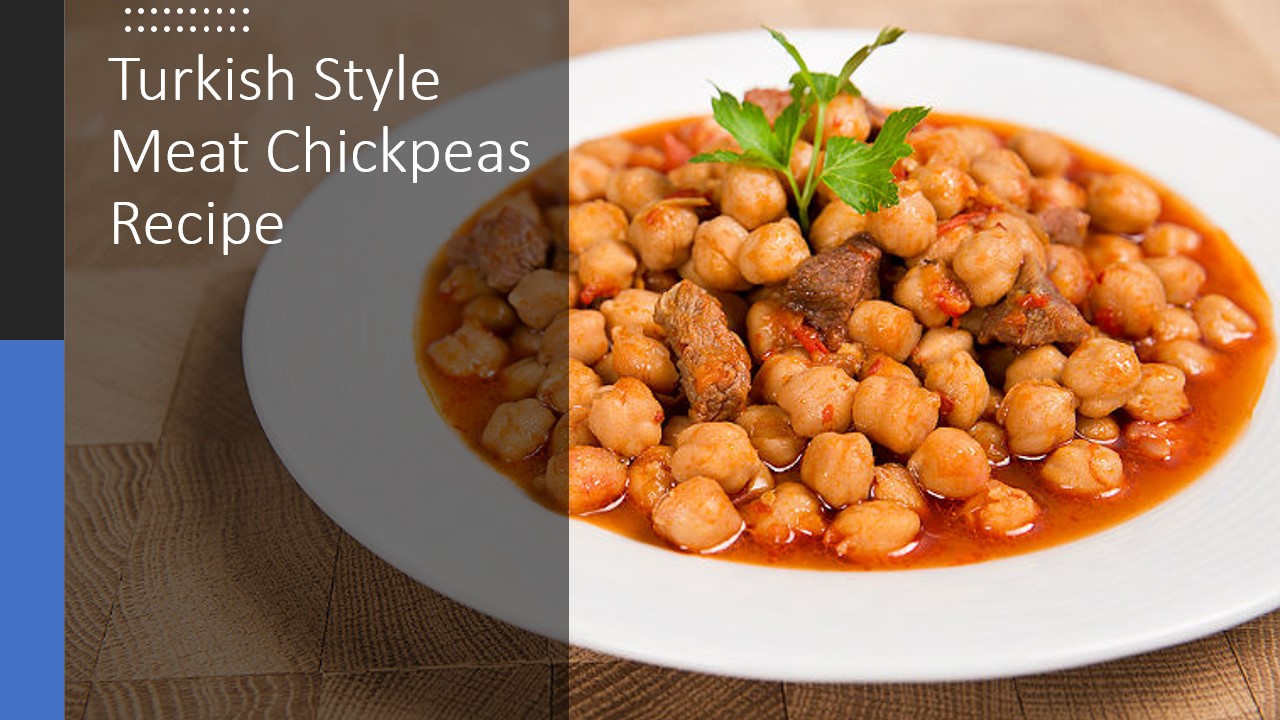
Turkish Chickpea Stew Recipe is a comforting one-pot meal that has been a staple of Turkish home cooking for generations. Made with tender beef, creamy chickpeas, onions, tomato paste, and simple pantry spices, this hearty stew is both filling and easy to prepare. In this detailed guide, you’ll learn how to make authentic Etli Nohut using dried or canned chickpeas, choose the best cut of beef, achieve a rich and flavorful broth, and avoid common cooking mistakes. Whether you’re preparing a family dinner or exploring traditional Turkish cuisine for the first time, this recipe delivers authentic flavor with ingredients available almost anywhere in the world.
What Is Turkish Chickpea Stew?
Turkish Chickpea Stew, known in Turkey as Etli Nohut, is one of the country’s most beloved comfort foods. It combines slow-cooked beef with tender chickpeas in a light tomato-based broth that is rich in flavor without being overly heavy. Unlike many Mediterranean chickpea dishes that rely on numerous herbs and spices, the Turkish version keeps the seasoning simple, allowing the natural flavors of the meat and chickpeas to shine.
Etli Nohut is commonly prepared in Turkish homes throughout the year and is especially popular during the colder months. It is traditionally served with Turkish Rice Pilaf, fresh bread, and a bowl of creamy Cacık, creating a balanced and satisfying meal enjoyed by families across Turkey.
Why You’ll Love This Recipe
- Authentic Turkish family recipe adapted for international home cooks.
- Made with simple ingredients that are widely available.
- Includes instructions for both dried and canned chickpeas.
- Detailed cooking techniques for tender beef and creamy chickpeas.
- Ideal for meal prep because the flavor becomes even better the next day.
- Naturally high in protein and incredibly satisfying.
Ingredients Turkish Chickpea Stew Recipe
Although Turkish Chickpea Stew uses everyday ingredients, choosing the right ones is essential for achieving the rich, comforting flavor that makes this traditional dish so popular.
Beef
- 600 g (1.3 lb) beef chuck or stewing beef, cut into bite-sized cubes
Beef chuck is the preferred cut because it contains enough connective tissue to become tender during slow cooking while adding richness to the broth. Lean cuts such as sirloin tend to dry out and are less suitable for this recipe.
Chickpeas
- 2 cups cooked chickpeas (about 320 g)
Dried chickpeas provide the most authentic texture. Soak them overnight and cook until tender before preparing the stew. If you’re short on time, canned chickpeas are an excellent alternative—simply rinse and drain them well before use.
Onion
- 1 large yellow onion, finely diced
Yellow onions slowly caramelize during cooking, adding natural sweetness and depth to the stew.
Tomato Paste
- 1½ tablespoons Turkish tomato paste
Turkish tomato paste has a deeper, more concentrated flavor than many commercial varieties. If unavailable, use double-concentrated tomato paste for a similar result.
Butter and Olive Oil
- 1 tablespoon butter
- 2 tablespoons extra virgin olive oil
Combining butter with olive oil creates a richer flavor while preventing the butter from burning during sautéing.
Seasonings
- 1 teaspoon salt (adjust to taste)
- ½ teaspoon freshly ground black pepper
- ½ teaspoon paprika
- ½ teaspoon red pepper flakes (optional)
Traditional Turkish cooking uses spices sparingly in this dish. The goal is to enhance the beef and chickpeas rather than overpower them.
Water or Beef Stock
- 3½ cups (840 ml) hot water or unsalted beef stock
Beef stock adds additional richness, while water creates the lighter broth commonly found in many Turkish households.
Ingredient Notes & Substitutions
If Turkish tomato paste isn’t available, use Italian double-concentrated tomato paste. Canned chickpeas work well for busy weeknights, although dried chickpeas offer a creamier texture and more authentic flavor. Lamb shoulder can also replace beef if you prefer a richer traditional variation, while clarified butter (ghee) may be substituted for butter in regions where Turkish butter is difficult to find.
Kitchen Equipment
- Large heavy-bottomed pot or Dutch oven
- Sharp chef’s knife
- Cutting board
- Wooden spoon
- Measuring cups and spoons
- Ladle for serving
“`html
How to Make Turkish Chickpea Stew Recipe Step by Step
Making authentic Etli Nohut is all about patience. Slow cooking allows the beef to become tender while the chickpeas absorb the rich tomato-based broth. Follow these detailed steps for the best results.
Step 1 – Prepare the Chickpeas
If using dried chickpeas, rinse them thoroughly and soak them in plenty of cold water overnight (8–12 hours). The next day, drain the soaking water, rinse again, and cook the chickpeas until they are almost tender before adding them to the stew.
Soaking not only shortens the cooking time but also helps the chickpeas cook more evenly and develop a creamier texture.
If you’re using canned chickpeas, simply drain and rinse them well under cold running water to remove excess sodium and preserve a cleaner flavor.
Step 2 – Brown the Beef
Heat the olive oil and butter together in a large heavy-bottomed pot over medium heat. Once the butter has melted, add the cubed beef in a single layer.
Allow the meat to brown naturally without stirring for the first few minutes. Once a golden crust forms, turn the pieces and continue cooking until all sides are evenly browned.
This step develops deep flavor through caramelization and creates the rich base that distinguishes authentic Turkish chickpea stew from ordinary boiled meat dishes.
Step 3 – Cook the Onion
Add the diced onion to the browned beef and cook for about 6–8 minutes, stirring occasionally until it becomes soft and lightly golden.
Avoid rushing this step. Properly softened onions add natural sweetness that balances the richness of the beef and tomato paste.
Step 4 – Add the Tomato Paste
Stir in the tomato paste and cook for 2–3 minutes while stirring continuously. Frying the tomato paste before adding liquid removes its raw taste and gives the stew a deeper, slightly caramelized flavor.
Add the paprika and optional red pepper flakes during this stage so the spices bloom in the hot oil.
Step 5 – Add the Liquid
Pour in the hot water or beef stock while gently scraping the bottom of the pot with a wooden spoon. This releases the flavorful browned bits that formed while searing the meat.
Season with salt and freshly ground black pepper, then bring everything to a gentle simmer.
Step 6 – Slow Cook the Beef
Reduce the heat to low, cover the pot, and cook for about 60–75 minutes, or until the beef becomes fork-tender.
Cooking time may vary depending on the cut of beef, so avoid relying only on the clock. The meat should be soft enough to break apart easily with a fork while still holding its shape.
Step 7 – Add the Chickpeas
Once the beef is tender, add the cooked chickpeas and gently stir to combine.
Continue simmering uncovered for another 20–25 minutes. This allows the chickpeas to absorb the flavors of the broth without becoming mushy.
If the stew appears too thick, add a small amount of hot water. If it’s too thin, continue simmering uncovered until it reaches your preferred consistency.
Step 8 – Taste and Adjust the Seasoning
Before serving, taste the stew and adjust the seasoning if necessary. Traditional Turkish chickpea stew is not heavily spiced, so resist the temptation to add excessive herbs or seasonings.
The finished stew should have tender beef, creamy chickpeas, and a light tomato broth that’s rich without being overly thick.
Expert Tips for the Best Turkish Chickpea Stew
- Use beef chuck or stewing beef instead of lean steak for the most tender texture.
- Always brown the meat thoroughly before adding the onions.
- Cook the tomato paste for a few minutes to remove its raw flavor.
- Do not overcook the chickpeas after adding them to the stew.
- If using canned chickpeas, add them near the end of cooking.
- For an even richer flavor, prepare the stew one day in advance. Like many traditional Turkish dishes, it tastes even better the following day.
- Use homemade beef stock whenever possible for extra depth.
- A heavy Dutch oven distributes heat more evenly than a thin saucepan, helping prevent scorching during long cooking.
Common Mistakes to Avoid
- Skipping the overnight soaking when using dried chickpeas.
- Using lean beef that becomes dry during cooking.
- Adding tomato paste directly to the liquid without frying it first.
- Cooking over high heat instead of allowing the stew to simmer gently.
- Adding canned chickpeas too early, causing them to break apart.
- Adding too many spices and masking the authentic Turkish flavor.
- Serving immediately without allowing the stew to rest for a few minutes after cooking.
“`html id=”tcs-part3″
What to Serve with Turkish Chickpea Stew
Turkish Chickpea Stew is traditionally served as the centerpiece of a family meal. While it’s satisfying on its own, pairing it with a few classic Turkish side dishes creates a balanced and authentic dining experience.
For the most traditional presentation, serve the stew with fluffy Turkish Rice Pilaf. The buttery rice absorbs the flavorful broth beautifully and is considered the classic accompaniment throughout Turkey.
A bowl of refreshing Cacık adds a cool contrast to the rich stew, while warm crusty bread is perfect for soaking up every last spoonful of the tomato-based sauce.
If you’re preparing a complete Turkish dinner, finish the meal with a light traditional dessert such as Sütlaç (Turkish Rice Pudding), which complements the savory flavors without feeling too heavy.
Storage & Reheating
One of the best things about Turkish Chickpea Stew is that it often tastes even better the next day. As the stew rests, the beef, chickpeas, and tomato broth continue to develop deeper flavors.
Refrigerator
Allow the stew to cool completely before transferring it to an airtight container. Store it in the refrigerator for up to 4 days.
Freezer
This stew freezes exceptionally well. Divide it into individual portions and freeze for up to 3 months. Thaw overnight in the refrigerator before reheating.
How to Reheat
Reheat gently in a saucepan over medium-low heat, stirring occasionally until hot. Add a splash of water or beef stock if the stew has thickened during storage.
Avoid boiling vigorously, as prolonged high heat can cause the beef to become dry and the chickpeas to lose their texture.
Frequently Asked Questions
Can I make Turkish Chickpea Stew with canned chickpeas?
Yes. Canned chickpeas are a convenient alternative and work very well for this recipe. Rinse and drain them thoroughly before adding them during the final 20–25 minutes of cooking to prevent them from becoming too soft.
What is the best cut of beef for Etli Nohut?
Beef chuck, stewing beef, or beef shoulder are excellent choices because they become tender during slow cooking while adding richness to the broth. Lean cuts are not recommended because they tend to dry out.
Can I cook this recipe in a pressure cooker?
Absolutely. Brown the beef and onions first, then pressure cook the meat for about 25–30 minutes before adding the cooked chickpeas. Simmer for a few additional minutes after releasing the pressure.
Can I make this recipe ahead of time?
Yes. In fact, many Turkish home cooks intentionally prepare Etli Nohut a day in advance because the flavors continue to develop overnight, resulting in an even richer stew.
Can I substitute lamb for beef?
Yes. Lamb shoulder is a traditional alternative in some regions of Turkey. It creates a richer flavor while following the same cooking method.
Why are my chickpeas still hard?
Dried chickpeas that haven’t been soaked long enough or are very old may require additional cooking time. Using fresh dried chickpeas and soaking them overnight produces the best results.
Is Turkish Chickpea Stew spicy?
No. Authentic Etli Nohut is mildly seasoned. Paprika adds gentle warmth, while red pepper flakes are optional and can be adjusted to suit your taste.
Can I make this recipe vegetarian?
Yes. Omit the beef and use vegetable stock instead of beef stock. Adding carrots, potatoes, or mushrooms creates a hearty vegetarian variation while keeping the dish inspired by traditional Turkish flavors.
Conclusion
Turkish Chickpea Stew is a timeless comfort food that showcases the simplicity and warmth of traditional Turkish home cooking. With tender beef, creamy chickpeas, and a rich tomato-based broth, this authentic Etli Nohut recipe is perfect for family dinners, meal preparation, or anyone looking to experience one of Turkey’s classic main dishes. Serve it with Turkish rice pilaf, fresh bread, and a bowl of Cacık for a complete meal that’s both satisfying and full of authentic flavor.
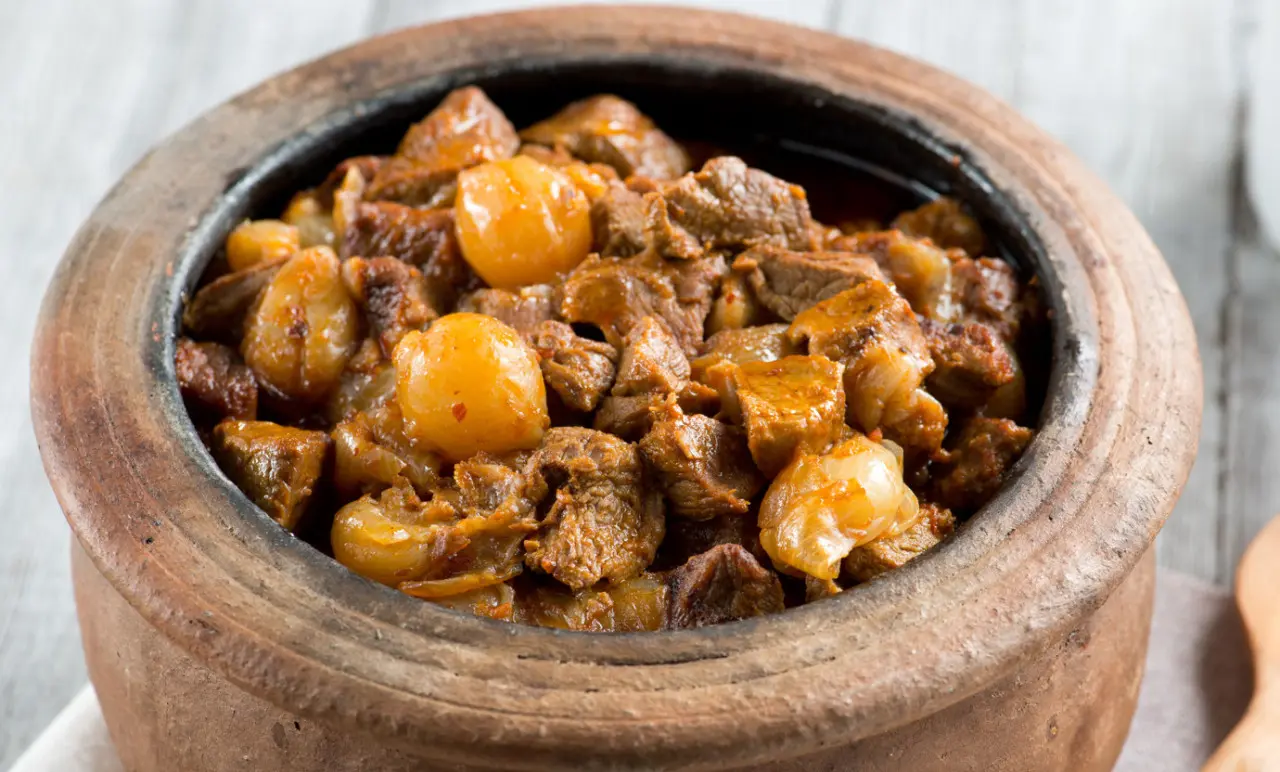
Turkish Chickpea Stew Recipe
Ingredients
- 600 g beef chuck or stewing beef cut into bite-sized cubes
- 2 cups cooked chickpeas about 320 g
- 1 large yellow onion finely diced
- 1½ tablespoons Turkish tomato paste
- 1 tablespoon butter
- 2 tablespoons olive oil
- 1 teaspoon salt adjust to taste
- ½ teaspoon black pepper
- ½ teaspoon paprika
- ½ teaspoon red pepper flakes optional
- 3½ cups hot water or unsalted beef stock
Optional if using dried chickpeas:
- 1 cup dried chickpeas soaked overnight and cooked until almost tender
Instructions
- Prepare the chickpeas
- If using dried chickpeas, soak them overnight in plenty of cold water. Drain, rinse, and cook until almost tender before adding them to the stew. If using canned chickpeas, rinse and drain them well.
- Brown the beef
- Heat olive oil and butter in a large heavy-bottomed pot over medium heat. Add the beef cubes in a single layer and brown them on all sides. Do not stir too often at the beginning so the meat develops flavor.
- Cook the onion
- Add the diced onion to the browned beef. Cook for 6–8 minutes until softened and lightly golden.
- Fry the tomato paste
- Add the tomato paste, paprika, and optional red pepper flakes. Cook for 2–3 minutes, stirring often, until the tomato paste darkens slightly and loses its raw taste.
- Add the liquid
- Pour in the hot water or beef stock. Scrape the bottom of the pot to release the browned bits. Add salt and black pepper.
- Slow cook the beef
- Bring to a gentle simmer. Cover the pot and cook over low heat for 60–75 minutes, or until the beef is fork-tender.
- Add the chickpeas
- Add the cooked chickpeas and stir gently. Simmer uncovered for another 20–25 minutes so the chickpeas absorb the flavor of the broth.
- Adjust consistency
- If the stew is too thick, add a little hot water. If it is too thin, simmer uncovered until it reaches your preferred consistency.
- Rest and serve
- Let the stew rest for 5–10 minutes before serving. Serve warm with Turkish rice pilaf, cacık, and fresh bread.