There is something deeply comforting about a warm plate of Turkish mantı: tiny handmade dumplings filled with seasoned beef, softened in simmering water, then finished with cool garlic yogurt and sizzling butter sauce. It is a dish that rewards patience, but every little fold brings you closer to one of Türkiye’s most loved home-cooked meals.
This recipe follows the familiar Kayseri-style mantı tradition: small folded parcels, a simple minced beef filling, garlic yogurt and a buttery tomato-pepper sauce. You do not need to make them as tiny as a master mantı maker on your first attempt. Neat, well-sealed dumplings made with care will still taste wonderful.
At a Glance
- Prep Time: 1 hour 15 minutes
- Cook Time: 12 minutes
- Total Time: 1 hour 57 minutes, including resting
- Servings: 4
- Difficulty: Intermediate
- Best Served With: Garlic yogurt, butter sauce, dried mint and sumac
Turkish Manti Recipe (Mantı)
This Turkish Manti Recipe brings one of Türkiye’s most treasured comfort foods into your kitchen: small handmade dumplings filled with seasoned beef, boiled until tender, then served with cool garlic yogurt and a fragrant red butter sauce.
Known in Turkish as mantı, this dish is especially associated with Kayseri, where shaping tiny dumplings is considered a mark of skill and patience. You do not need to make every parcel miniature on your first try; thin dough, a balanced filling and well-sealed folds will give you a beautiful homemade result.
Recipe at a Glance
- Prep Time: 1 hour 15 minutes
- Resting Time: 30 minutes
- Cook Time: 12 minutes
- Servings: 4
- Difficulty: Intermediate
Jump to:
What Is Turkish Manti?
Turkish mantı are small filled dumplings made from thinly rolled dough, usually filled with minced beef or lamb and onion. Once boiled, they are traditionally served with garlic yogurt and a hot butter sauce flavored with tomato paste, red pepper flakes or paprika. The result is creamy, savory, tangy and warmly spiced in every spoonful.
Although mantı appears in different forms throughout Türkiye and Central Asia, the version most strongly associated with Turkish home cooking is Kayseri mantısı. In Kayseri, making very small mantı is a source of pride and skill. The well-known saying about fitting many pieces onto one spoon is less a strict rule than a celebration of patience and careful handwork.
Mantı is usually prepared for a leisurely family meal rather than a hurried dinner. It is the kind of recipe made around a table: one person rolls the dough, another cuts squares, and someone else closes the little parcels. That shared preparation is part of what makes the dish memorable.
For more traditional Turkish main dishes, explore our Turkish main dishes collection.
Turkish Manti Recipe Ingredients
This recipe makes approximately 4 generous servings. The dough should be firm enough to roll thinly without sticking; add water gradually rather than all at once.
For the Mantı Dough
- 360 g / about 3 cups all-purpose flour: Plain flour gives the dough enough structure to hold the filling and keep its shape while boiling.
- 1 large egg: Helps bind the dough and adds richness.
- 1 teaspoon fine salt: Seasons the dough itself, so the finished dumplings do not taste flat.
- 120–150 ml / 1/2 to 2/3 cup warm water: Add gradually; mantı dough should be firm rather than soft.
For the Beef Filling
- 250 g / 9 oz ground beef: Choose beef with a little fat for a moist, flavorful filling.
- 1 small onion, finely grated and lightly squeezed: Onion adds sweetness and moisture without making the filling watery.
- 1/2 teaspoon salt: Seasons the filling.
- 1/2 teaspoon black pepper: Gives gentle warmth.
- 1/4 teaspoon red pepper flakes or paprika: Optional, but very natural with the buttery sauce served later.
For the Garlic Yogurt
- 300 g / about 1 1/4 cups plain whole milk yogurt: Use smooth, unsweetened yogurt for the traditional creamy topping.
- 2 garlic cloves, finely grated or crushed: The sharp garlic is essential to the classic flavor.
- A pinch of salt: Brings the yogurt sauce together.
For the Butter Sauce
- 3 tablespoons unsalted butter: Gives the sauce its rich aroma.
- 1 tablespoon tomato paste: Adds color and savory depth without making the sauce too heavy.
- 1 teaspoon paprika or Turkish red pepper flakes: Creates the warm red finish traditionally spooned over yogurt.
- 2–3 tablespoons mantı cooking water: Loosens the sauce so it drizzles easily.
For Serving
- Dried mint
- Sumac
- Extra red pepper flakes, if desired
How to Make Turkish Manti
1. Make a Firm, Smooth Dough
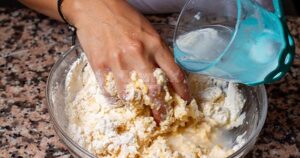
Place the flour and salt in a large mixing bowl and make a well in the center. Add the egg, then begin adding warm water little by little while mixing from the middle outward. Once a shaggy dough forms, knead for 8 to 10 minutes until smooth and firm.
Mantı dough is meant to be firmer than bread dough. It should feel smooth and workable, but not soft or sticky. A firm dough is easier to roll thinly and helps the small dumplings stay sealed during cooking.
2. Rest the Dough
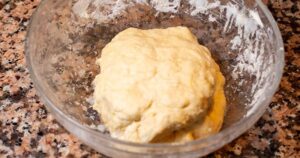
Shape the dough into a ball, cover it with a clean kitchen towel or reusable wrap, and leave it to rest for 30 minutes at room temperature. Resting relaxes the gluten, making the dough easier to roll without springing back.
3. Prepare the Beef Filling
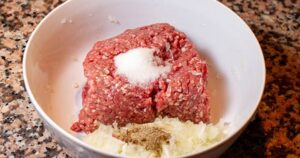
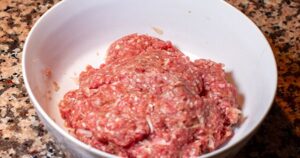
While the dough rests, place the ground beef in a bowl. Add the finely grated onion, salt, black pepper and optional red pepper flakes. Mix gently with your fingertips until evenly combined.
Do not make the filling too wet. If the grated onion releases a lot of liquid, squeeze it lightly before adding it to the meat. This helps prevent the dough from becoming soggy while you shape the dumplings.
4. Divide and Roll the Dough Thinly
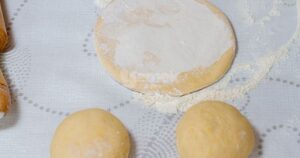
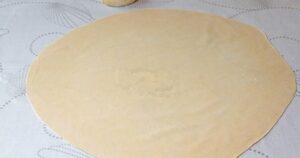
Divide the rested dough into 3 or 4 equal pieces. Keep the pieces you are not using covered so they do not dry out. Working with one portion at a time, lightly flour the surface and roll the dough into a thin sheet, approximately 1 mm thick.
Traditional Kayseri-style mantı is very small, but beginners can comfortably work with slightly larger squares. The most important details are thin dough and properly sealed edges.
5. Cut the Dough into Small Squares
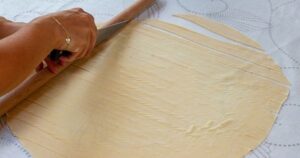
Using a sharp knife or pizza cutter, cut the rolled dough into small squares. For an approachable homemade version, aim for squares measuring about 3 cm / 1 1/4 inches. As your confidence grows, you can make them smaller.
6. Fill Each Square Lightly
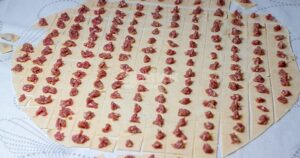
Place a very small amount of beef filling in the center of each square. A piece no larger than a small chickpea is enough. Overfilling is tempting, but it makes the dumplings difficult to close and more likely to open in the pot.
7. Fold and Seal the Mantı
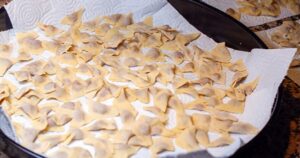
Bring the four corners of each dough square together above the filling and pinch firmly to form a small bundle. Set the finished mantı on a lightly floured tray in a single layer. Continue until all the dough and filling have been used.
This is the patient part of the recipe. Work steadily rather than rushing. Even if every dumpling is not identical, a well-sealed handmade mantı has the charm of real home cooking.
8. Cook the Mantı
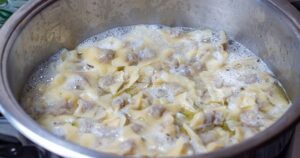
Bring a large pot of salted water to a gentle boil. Carefully add the mantı and stir once so they do not stick to the bottom. Cook fresh mantı for approximately 8 to 12 minutes, depending on their size and dough thickness.
They are ready when the dough is tender and the filling is cooked through. Before draining, reserve several tablespoons of cooking water for the butter sauce.
9. Prepare the Garlic Yogurt
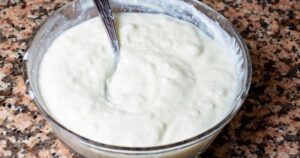
In a small bowl, mix the plain yogurt with crushed garlic and a pinch of salt. For the smoothest serving texture, allow the yogurt to sit at room temperature for about 15 minutes while the mantı cooks. It should be cool and creamy, not ice-cold.
10. Make the Butter Sauce
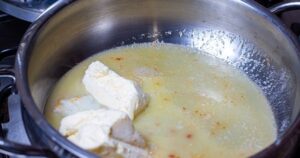
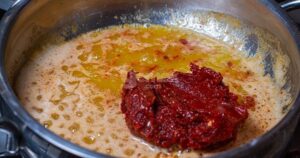
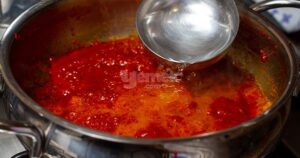
Melt the butter in a small saucepan over medium-low heat. Add the tomato paste and stir for about 1 minute, just until fragrant. Add the paprika or red pepper flakes, then loosen the sauce with 2 to 3 tablespoons of reserved mantı cooking water.
The finished sauce should be bright, glossy and easy to spoon over the yogurt rather than thick like a paste.
11. Assemble and Serve
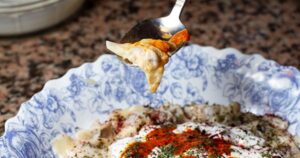
Drain the cooked mantı well and divide among warm shallow bowls or arrange on a serving platter. Spoon the garlic yogurt generously over the dumplings, then drizzle with the hot butter sauce.
Finish with dried mint, sumac and a little extra red pepper if you enjoy heat. Serve immediately while the mantı is warm, the yogurt is creamy and the butter sauce is still fragrant.
Expert Tips for This Turkish Mantı
- Add the water gradually. Flour absorbs water differently depending on brand and humidity. Mantı dough should be firm enough to roll thinly without becoming sticky.
- Rest the dough before rolling. Thirty minutes makes a noticeable difference; the dough becomes smoother and easier to stretch.
- Keep unused dough covered. Thin dough dries quickly, and dry edges are difficult to seal.
- Use only a tiny amount of filling. Mantı is about the balance of delicate dough, meat, yogurt and sauce rather than a large amount of meat in each parcel.
- Warm the serving bowls. This keeps the cooked mantı from cooling too quickly once the yogurt is added.
- Do not boil aggressively. A gentle boil protects the folds and reduces the chance of dumplings opening.
Common Mistakes When Making Mantı
Making the Dough Too Soft
A soft dough may feel easy to knead, but it becomes sticky while rolling and can lose its shape in the pot. Mantı needs a firm dough. Add water slowly and stop once the dough comes together smoothly.
Rolling the Dough Too Thick
Thick dough makes the finished dish heavy and bread-like. Roll each section thinly enough that the dumplings cook quickly and feel delicate beneath the yogurt sauce.
Overfilling the Squares
Too much filling prevents the corners from meeting properly. Use a very small pinch of meat for each square; once topped with yogurt and butter sauce, the flavor will still be rich.
Letting Shaped Mantı Dry Uncovered
Once formed, mantı can dry out quickly. Keep the tray lightly floured and loosely covered until cooking, especially if shaping takes some time.
Adding Ice-Cold Yogurt to Hot Mantı
Very cold yogurt cools the dish immediately and can mute the aroma of the butter sauce. Let the yogurt lose its refrigerator chill while you cook the dumplings.
Serving and Presentation
Turkish mantı is a complete dish on its own, especially when finished with garlic yogurt, red butter sauce, mint and sumac. Serve it in shallow bowls so each person receives a good balance of dumplings and sauce in every spoonful.
For a Turkish-style table, start with a light bowl of Turkish yogurt soup or add a crisp side of Turkish pickled cucumbers. Their fresh acidity balances the richness of the beef, butter and yogurt.
To finish the meal with something gently sweet, serve Turkish rice pudding, sütlaç, which is lighter after a generous plate of mantı than a syrup-soaked dessert.
Storage, Freezing and Reheating
How to Freeze Uncooked Mantı
Arrange shaped, uncooked mantı in a single layer on a lightly floured tray. Freeze until solid, then transfer to a freezer-safe container or bag. Keep frozen for up to 3 months for best quality. Cook directly from frozen, adding a few extra minutes to the boiling time.
How to Store Cooked Mantı
Store cooked mantı separately from the yogurt and butter sauce in an airtight container in the refrigerator for up to 3 days. Storing the components separately keeps the dough from becoming overly soft and allows the sauces to taste fresher when served again.
How to Reheat Mantı
Reheat cooked mantı gently in a pan with a spoonful of water, or briefly return them to simmering water until hot. Prepare fresh garlic yogurt if possible, and warm the butter sauce separately before assembling.
Kitchen Notes
In many Turkish homes, mantı making is more than a recipe; it is an afternoon activity. The tray slowly fills with folded dumplings while conversations continue around the table. That atmosphere matters more than perfectly identical shapes.
If this is your first time making mantı, cut slightly larger squares and focus on making a dough that rolls neatly and seals securely. Once you become comfortable with the rhythm of filling and folding, you can begin making the smaller parcels associated with Kayseri mantısı.
Substitutions: Ground lamb can replace beef for a richer flavor. Thick Greek-style yogurt may be used, but thin it with a spoonful of water so it drapes naturally over the warm mantı. If tomato paste is unavailable, use pepper paste sparingly for a deeper, slightly sweeter red sauce.
Turkish Manti Recipe FAQs
What is Turkish mantı made of?
Turkish mantı is made from a firm egg dough rolled thinly and cut into small squares. Each square is filled with a small amount of seasoned ground beef or lamb, folded closed and boiled. It is traditionally served with garlic yogurt and a hot butter sauce flavored with tomato paste and red pepper.
Is Turkish mantı the same as ravioli?
Mantı and ravioli are both filled dough dishes, but they belong to different culinary traditions. Turkish mantı is usually much smaller, folded into tiny bundles and served with garlic yogurt, butter sauce, mint and sumac. Calling it “Turkish dumplings” is more accurate than treating it simply as ravioli.
Why is Kayseri famous for mantı?
Kayseri is closely associated with the smallest and most carefully folded style of Turkish mantı. Preparing tiny parcels is considered a sign of skill and patience. Kayseri mantısı is also officially recognised as a geographical indication, reflecting its strong regional identity in Turkish culinary culture.
How thin should I roll mantı dough?
Roll mantı dough to roughly 1 mm thickness, thin enough to cook tenderly but strong enough to hold the meat filling. If the dough is too thick, the dumplings feel heavy. If it becomes fragile or tears, allow the dough to rest longer and work with smaller sections.
Can I prepare Turkish mantı ahead of time?
Yes. Mantı is especially suitable for advance preparation because the shaped dumplings freeze well. Arrange uncooked mantı in a single layer on a tray, freeze until firm, then bag them. Cook directly from frozen whenever needed, adding a few extra minutes until the filling is fully cooked.
Can I make mantı without meat?
You can make a meat-free version using finely chopped mushrooms, cooked green lentils or a mixture of potato and onion. The result will not be classic Kayseri mantısı, but the garlic yogurt and butter sauce still create the familiar Turkish serving style and make a satisfying vegetarian meal.
What yogurt is best for Turkish mantı?
Plain whole milk yogurt gives the best balance of creaminess and freshness. It should be unsweetened and smooth. If using very thick Greek-style yogurt, loosen it with one or two tablespoons of water before adding garlic, so it spreads easily over the hot dumplings without becoming heavy.
How do I stop mantı from opening while cooking?
Use a firm dough, avoid overfilling and pinch the four corners tightly together. Keep the shaped dumplings covered so their edges do not dry before cooking. When boiling, use gently simmering salted water rather than a violent boil, which can knock delicate folds apart in the pot.

Title: Turkish Manti Recipe (Mantı) with Garlic Yogurt Sauce
Ingredients
Dough
- 360 g all-purpose flour
- 1 large egg
- 1 teaspoon fine salt
- 120 –150 ml warm water added gradually
- Filling
- 250 g ground beef
- 1 small onion finely grated and lightly squeezed
- 1/2 teaspoon salt
- 1/2 teaspoon black pepper
- 1/4 teaspoon red pepper flakes or paprika optional
Garlic Yogurt
- 300 g plain whole milk yogurt
- 2 garlic cloves crushed
- Pinch of salt
Butter Sauce
- 3 tablespoons unsalted butter
- 1 tablespoon tomato paste
- 1 teaspoon paprika or Turkish red pepper flakes
- 2 –3 tablespoons reserved cooking water
Serving
- Dried mint
- Sumac
- Red pepper flakes optional
Instructions
- Combine flour and salt in a bowl. Add the egg and gradually add warm water, mixing until a firm dough forms.
- Knead for 8 to 10 minutes until smooth. Cover and rest for 30 minutes.
- Combine ground beef, grated onion, salt, pepper and optional red pepper flakes.
- Divide the dough into 3 or 4 portions. Keep unused portions covered.
- Roll one portion thinly, approximately 1 mm thick, and cut into 3 cm squares.
- Place a small amount of filling in the center of each square.
- Bring the four corners together and pinch firmly to seal.
- Boil the mantı in salted water for 8 to 12 minutes, until tender and cooked through. Reserve a little cooking water.
- Mix yogurt with garlic and salt.
- Melt butter, stir in tomato paste and paprika, then loosen with reserved cooking water.
- Serve hot mantı topped with garlic yogurt, butter sauce, dried mint and sumac.
Notes
- Add water gradually because flour absorption varies.
- Do not overfill the mantı squares.
- Freeze uncooked mantı on a tray before transferring to freezer bags.
- Cook frozen mantı directly from frozen; do not thaw first.
- Nutrition values are estimates and should not be presented as dietitian-verified unless you have documentation.