Keskek Recipe is one of Türkiye’s oldest and most cherished comfort foods. Made by slowly cooking hulled wheat and meat until both become incredibly soft and creamy, Keşkek is famous for its rich texture and simple ingredients. Although it is traditionally prepared for weddings, religious celebrations, and village festivals, you can easily recreate this authentic Turkish dish at home with a little patience and the right technique.
Table of Contents
- Recipe Summary
- What Is Keşkek?
- Ingredients
- Ingredient Notes & Easy Substitutions
- How to Make Keşkek
- Expert Tips
- Common Mistakes
- Serving Suggestions
- Storage & Reheating
- Frequently Asked Questions
Recipe Summary
| Prep Time | 20 minutes |
|---|---|
| Soaking Time | Overnight |
| Cook Time | 4 hours |
| Total Time | About 16 hours (including soaking) |
| Servings | 8 |
| Course | Main Course |
| Cuisine | Turkish |
| Difficulty | Intermediate |
What Is Keşkek?
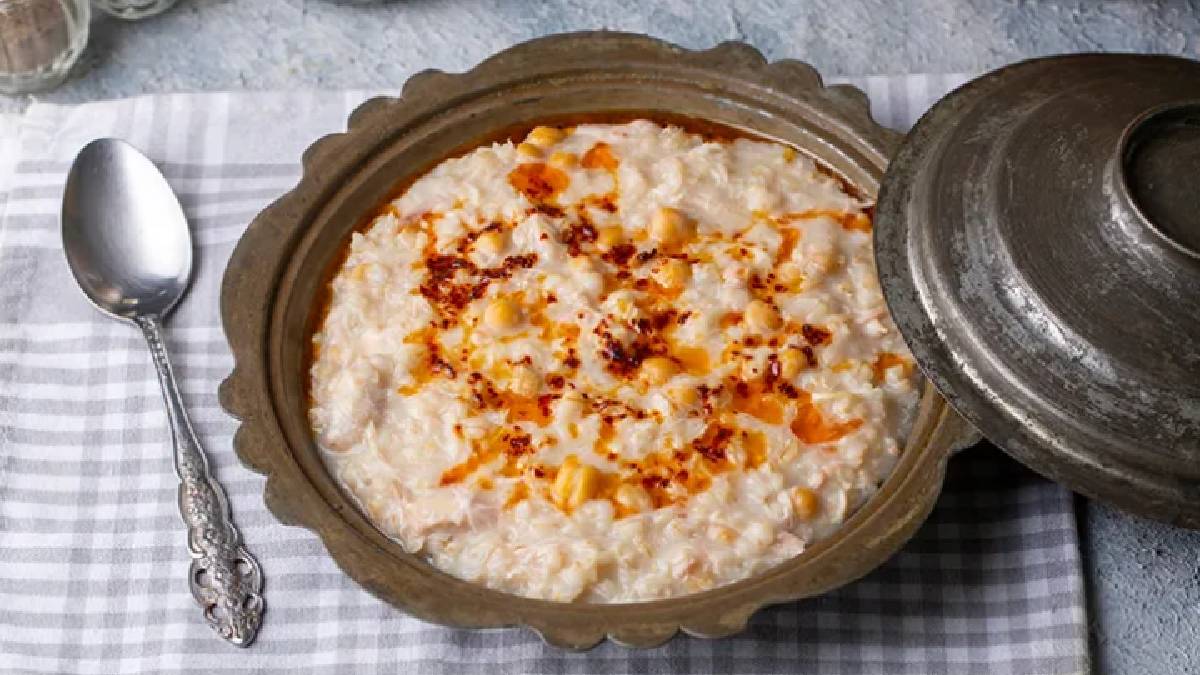
Keşkek is a traditional Turkish dish prepared by cooking hulled wheat together with meat over very low heat for several hours until the grains break down into a smooth, creamy consistency. The meat becomes so tender that it can be shredded easily and mixed back into the wheat, creating one of the most comforting dishes in Turkish cuisine.
Although recipes vary from region to region, the heart of Keşkek remains the same: simple ingredients, slow cooking, and patience. Some regions prepare it with lamb, while others prefer chicken. The finished dish is traditionally topped with melted butter and Turkish red pepper flakes just before serving.
Keşkek is closely associated with Turkish celebrations, especially village weddings, religious holidays, and community gatherings where it is often cooked in large cauldrons for dozens or even hundreds of people. Because of its cultural importance, the tradition of preparing and serving Keşkek has been recognized by UNESCO as part of Türkiye’s Intangible Cultural Heritage.
Despite its long history, Keşkek is surprisingly simple to make at home. The secret is not complicated cooking techniques but allowing enough time for the wheat to soften naturally. The result is a rich, creamy dish that pairs beautifully with Çoban Salad, homemade Cacık, or a glass of traditional Ayran.
Ingredients Keskek Recipe
For the Keşkek
- 500 g hulled wheat (aşurelik wheat) – This is the traditional grain used for authentic Keşkek. It slowly breaks down during cooking to create the signature creamy texture. Do not substitute bulgur, as it cooks too quickly and produces a completely different result.
- 750 g bone-in lamb shoulder or lamb shank – Lamb gives the richest traditional flavor. Bone-in cuts also create a naturally flavorful cooking broth.
- 1 medium onion – Left whole to gently flavor the cooking liquid without overpowering the wheat.
- 2 teaspoons salt – Added during cooking and adjusted at the end if needed.
- 1 teaspoon freshly ground black pepper
- 10 cups water or light lamb stock – Enough liquid is essential because the wheat absorbs moisture slowly during the long cooking process.
For the Traditional Butter Sauce
- 4 tablespoons unsalted butter – Melted until lightly foamy for a rich finishing flavor.
- 1 tablespoon Aleppo pepper (Pul Biber) – Adds gentle warmth and beautiful color without overwhelming the dish.
- 1 teaspoon sweet paprika – Enhances both color and aroma.
Ingredient Notes & Easy Substitutions
Hulled Wheat
Hulled wheat, called aşurelik buğday in Türkiye, is the most important ingredient in Keşkek. Unlike bulgur, the grains remain whole during the early stages of cooking before gradually breaking down into a creamy consistency. If you cannot find Turkish hulled wheat, cracked wheat is not a suitable substitute. Instead, look for whole wheat berries or hulled wheat sold in Middle Eastern or Mediterranean grocery stores.
The Best Meat for Keşkek
Lamb shoulder, lamb shank, or lamb neck are the traditional choices because they become exceptionally tender after several hours of cooking. Beef can be used if lamb is unavailable, but the flavor will be slightly different. In some regions of Türkiye, especially during large celebrations, chicken is also used for a lighter version of Keşkek.
Butter and Pul Biber
The butter sauce poured over the finished Keşkek is one of the dish’s defining characteristics. Melted butter mixed with Turkish red pepper flavors adds richness and a beautiful finish. If Aleppo pepper is unavailable, combine sweet paprika with a small pinch of mild chili flakes.
Why Overnight Soaking Matters
Soaking the wheat overnight significantly reduces cooking time and helps the grains soften evenly. Skipping this step often results in wheat that stays firm even after several hours of cooking.
How to Make Keşkek
Although Keşkek takes several hours to cook, the preparation itself is quite simple. The secret is allowing the wheat to soften slowly while the meat becomes tender enough to fall apart naturally. Avoid rushing the process. Low heat and patience are what give authentic Turkish Keşkek its famous creamy texture.
Step 1 – Soak the Wheat Overnight
Place the hulled wheat in a large bowl and rinse it thoroughly under cold running water to remove any dust or loose starch. Cover it generously with fresh water and let it soak overnight, or for at least 10–12 hours.
This step is essential. Proper soaking softens the grains, shortens the cooking time, and helps the wheat break down into the smooth consistency that makes Keşkek unique.
Step 2 – Prepare the Meat
Place the lamb shoulder or lamb shank in a large heavy-bottomed pot. Add the whole onion, salt, black pepper, and the soaked wheat after draining it well.
Pour in the water or light lamb stock until everything is well covered by several centimeters of liquid.
Bring the pot slowly to a gentle boil over medium heat. As foam rises to the surface during the first few minutes, skim it off with a spoon. Removing this foam creates a cleaner broth and a smoother finished dish.
Step 3 – Slow Cook Until Tender
Once the liquid begins to boil gently, reduce the heat to low and partially cover the pot.
Cook for about 3½ to 4 hours, stirring every 20–30 minutes to prevent the wheat from sticking to the bottom.
As the wheat cooks, it gradually absorbs the liquid and begins to lose its shape. At the same time, the meat becomes fork-tender and starts separating naturally from the bone.
If the mixture becomes too thick before the wheat is fully cooked, add hot water one cup at a time. Keşkek should remain soft and creamy throughout the cooking process rather than becoming dry.
Step 4 – Remove and Shred the Meat
When the meat is completely tender, carefully remove it from the pot and allow it to cool just enough to handle comfortably.
Discard the bones, excess fat, connective tissue, and the cooked onion. Using two forks or your hands, shred the meat into fine strands.
Return the shredded meat to the pot and stir it evenly into the softened wheat.
Step 5 – Beat the Keşkek
This is the step that gives Keşkek its traditional texture.
Using a sturdy wooden spoon, mash and stir the mixture continuously for about 10–15 minutes. In Turkish villages, cooks traditionally use long wooden paddles for this process, but a strong wooden spoon works perfectly at home.
As you continue stirring, the wheat breaks down further and combines with the shredded meat, creating a thick, creamy consistency without needing cream, flour, or any other thickener.
The finished Keşkek should be smooth enough to spread gently across a serving plate while still holding its shape.
Step 6 – Prepare the Butter Sauce
Shortly before serving, melt the butter in a small saucepan over medium heat.
Once it becomes lightly foamy, remove it from the heat and stir in the Aleppo pepper and sweet paprika.
The spices should bloom in the hot butter for about 30 seconds, releasing their aroma without burning. Burnt paprika becomes bitter, so avoid overheating the butter after adding the spices.
Step 7 – Serve Immediately
Spoon the hot Keşkek onto a large serving platter or individual bowls. Use the back of the spoon to create shallow swirls across the surface.
Pour the hot butter sauce evenly over the top and serve immediately while still warm.
Keşkek is traditionally enjoyed with simple accompaniments that balance its rich, creamy texture. A refreshing Çoban Salad, a glass of chilled Ayran, or creamy Cacık all pair beautifully with this hearty dish.
Expert Tips
- Soak the wheat overnight. This is the easiest way to achieve the traditional creamy texture without extending the cooking time unnecessarily.
- Use bone-in lamb if possible. The bones naturally enrich the broth and give the finished Keşkek a deeper flavor.
- Cook over low heat. Gentle simmering allows the wheat to soften gradually while keeping the meat tender and juicy.
- Stir regularly. Long cooking times increase the chance of sticking, especially during the final hour when the mixture thickens.
- Beat the mixture well. This traditional step transforms separate grains of wheat into the smooth consistency Keşkek is known for.
- Add hot water when necessary. Cold water slows cooking and can interrupt the gradual softening of the wheat.
- Prepare the butter sauce just before serving. Freshly melted butter has a richer aroma and gives the dish its characteristic finish.
Common Mistakes
Using Bulgur Instead of Hulled Wheat
Bulgur cooks far too quickly and never develops the creamy consistency that defines authentic Keşkek. Always use hulled wheat or whole wheat berries.
Skipping the Overnight Soak
Without soaking, the wheat takes much longer to soften and may remain firm even after several hours of cooking.
Cooking Over High Heat
Boiling too aggressively causes the liquid to evaporate too quickly before the wheat has time to soften properly.
Not Stirring Often Enough
As the wheat thickens, it can stick to the bottom of the pot. Gentle stirring every 20–30 minutes prevents scorching and keeps the texture smooth.
Serving Without the Butter Sauce
The butter, Aleppo pepper, and paprika topping is not simply a garnish. It is an essential finishing touch that adds richness, aroma, and the traditional appearance expected from authentic Turkish Keşkek.
Serving Suggestions
Keşkek is traditionally served hot, immediately after the butter sauce is poured over the top. The creamy wheat and tender meat create a rich dish, so it is usually paired with fresh, light side dishes that balance its texture.
For an authentic Turkish meal, serve Keşkek with a bowl of refreshing Cacık, a crisp Çoban Salad, and a cold glass of homemade Ayran. Their fresh flavors perfectly complement the richness of the wheat and lamb.
If you’re preparing Keşkek for a larger gathering, complete the menu with a simple vegetable side such as Turkish Green Beans (Zeytinyağlı Taze Fasulye) or finish the meal with a traditional dessert like Turkish Rice Pudding (Sütlaç).
Best Side Dishes for Keşkek
- Turkish Cacık
- Çoban Salad
- Homemade Ayran
- Turkish pickles
- Fresh village bread
- Zeytinyağlı Green Beans
Storage & Reheating
How to Store
Allow the Keşkek to cool completely before transferring it to an airtight container. Store it in the refrigerator for up to 4 days.
Because the wheat continues absorbing moisture while resting, the mixture naturally becomes thicker after refrigeration. This is completely normal.
Can You Freeze Keşkek?
Yes. Keşkek freezes surprisingly well. Divide it into individual portions, place them in freezer-safe containers, and freeze for up to 3 months.
Thaw overnight in the refrigerator before reheating for the best texture.
How to Reheat
Transfer the Keşkek to a saucepan and add a few tablespoons of hot water or warm stock. Heat gently over low heat while stirring occasionally until smooth and creamy again.
If reheating in the microwave, cover the dish and heat in short intervals, stirring between each interval. Add a little water if necessary to loosen the consistency.
For the best flavor, prepare a fresh butter sauce each time you serve reheated Keşkek.
Frequently Asked Questions
What is the difference between Keşkek and Ashure?
Although both dishes use wheat, they are completely different. Keşkek is a savory dish made with meat, while Ashure is a sweet dessert prepared with wheat, dried fruits, beans, and nuts.
Can I make Keşkek without lamb?
Yes. Chicken is a popular alternative in several regions of Türkiye and produces a lighter version of the dish. Beef can also be used, although lamb provides the most traditional flavor.
Can I use a pressure cooker?
Yes. A pressure cooker significantly reduces the cooking time, usually to about 60–90 minutes depending on the wheat. However, you’ll still need to mash and stir the mixture afterward to achieve the traditional creamy consistency.
Why isn’t my wheat becoming creamy?
The wheat may not have soaked long enough, or it may simply need more cooking time. Continue simmering gently, adding hot water when necessary, and stir well during the final stage of cooking.
Can I prepare Keşkek a day ahead?
Yes. Many cooks actually prefer making it one day in advance because the flavors continue developing overnight. Reheat it gently with a little water before serving and prepare a fresh butter sauce just before bringing it to the table.
What is the best wheat for Keşkek?
Traditional hulled wheat (aşurelik buğday) is always the best choice. Whole wheat berries are the closest substitute. Bulgur should not be used because it cooks too quickly and produces a completely different texture.
Can I make this recipe vegetarian?
While it is possible to prepare a wheat-only version using vegetable broth, it is no longer considered traditional Keşkek. The slow-cooked meat contributes much of the dish’s signature richness and flavor.
How do I know when Keşkek is ready?
The wheat should have almost completely broken down, and the meat should blend effortlessly into the mixture. The finished Keşkek should be thick, creamy, and smooth enough to spread gently across a serving plate.
A Short Taste of Turkish Tradition
Few dishes represent Turkish hospitality better than Keşkek. Across Türkiye, families and neighbors often prepare it together for weddings, religious holidays, and village celebrations. Large copper cauldrons simmer for hours while people gather to stir the wheat, prepare the butter sauce, and share the meal.
Although home kitchens now use modern pots instead of traditional cauldrons, the spirit of the dish remains the same. Keşkek is less about complicated ingredients and more about patience, sharing, and bringing people together around the table.
Conclusion
This authentic Keskek Recipe proves that simple ingredients can create extraordinary flavor when cooked with time and care. Hulled wheat, tender lamb, and a rich butter sauce come together to create one of the most comforting dishes in Turkish cuisine.
Whether you’re discovering Keşkek for the first time or recreating a family tradition, following these step-by-step instructions will help you achieve the creamy texture and rich flavor that make this beloved Turkish wedding dish so unforgettable. Serve it with fresh salad, Cacık, and Ayran for a complete meal that brings a taste of Türkiye to your table.
Keşkek (Traditional Turkish Wedding Dish)
Ingredients
For the Keşkek
- 500 g hulled wheat aşurelik wheat, rinsed and soaked overnight
- 750 g bone-in lamb shoulder or lamb shank
- 1 medium onion peeled and left whole
- 10 cups water or light lamb stock
- 2 teaspoons salt
- 1 teaspoon freshly ground black pepper
For the Butter Sauce
- 4 tablespoons unsalted butter
- 1 tablespoon Aleppo pepper pul biber
- 1 teaspoon sweet paprika
Instructions
- Step 1
- Rinse the hulled wheat thoroughly under cold water. Cover with plenty of fresh water and soak overnight or for at least 10–12 hours.
- Step 2
- Drain the wheat. Place it in a large pot together with the lamb, whole onion, salt, pepper, and water or stock.
- Step 3
- Bring to a gentle boil over medium heat. Skim off any foam that forms on the surface during the first few minutes.
- Step 4
- Reduce the heat to low, partially cover the pot, and simmer gently for about 3½–4 hours. Stir every 20–30 minutes and add hot water if necessary.
- Step 5
- When the lamb is very tender, remove it from the pot. Discard the bones and onion, then shred the meat into small pieces.
- Step 6
- Return the shredded meat to the pot. Continue stirring and beating the mixture with a sturdy wooden spoon for 10–15 minutes until the wheat breaks down into a thick, creamy consistency.
- Step 7
- Meanwhile, melt the butter in a small saucepan. Remove from the heat, then stir in the Aleppo pepper and paprika.
- Step 8
- Transfer the Keşkek to a serving platter or individual bowls. Spoon the hot butter sauce over the top and serve immediately.
Notes
- Always soak hulled wheat overnight for the best texture.
- Bone-in lamb produces a richer broth than boneless meat.
- Stir regularly during cooking to prevent sticking.
- Add only hot water if the mixture becomes too thick.
- Beat the cooked wheat well to achieve the traditional creamy consistency.
- Prepare the butter sauce just before serving for the best aroma.
- Leftover Keşkek thickens after chilling. Add a little hot water while reheating to restore its creamy texture.