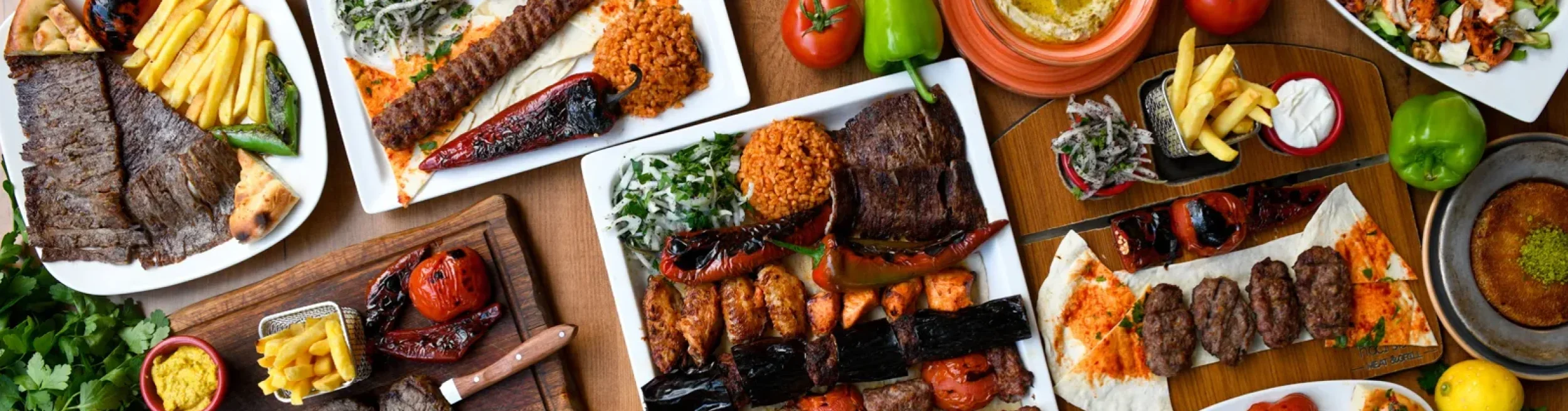
Master the Art of the “Split Belly” Eggplant with This Traditional Technique
If Turkish cuisine had a national vegetable, it would undoubtedly be the eggplant (patlıcan). Among the hundreds of ways it is prepared, Karnıyarık stands as the absolute favorite in Turkish households. The name, which literally translates to “split belly,” describes the visual signature of the dish: a whole, silky-soft eggplant sliced open and stuffed with a rich, aromatic meat filling. This dish is the warm, savory sibling of the vegetarian Imam Bayildi, focusing on the deep, umami-rich combination of ground meat and roasted vegetables.
Tracing its roots back to the Ottoman palace kitchens, Karnıyarık is a testament to the Turkish philosophy of “patience in the kitchen.” It is not a dish you rush. The eggplant must be treated with care—salted to remove bitterness, lightly fried or roasted to achieve a melt-in-your-mouth consistency, and then slow-baked until the flavors of the meat juices and tomato sauce emulsify into the vegetable’s flesh. It is traditionally served at the center of the table, often preceded by a light Turkish Lentil Soup to prepare the palate for the rich flavors to follow. Whether you are eating it in a rustic Anatolian home or a high-end Istanbul restaurant, the first scoop of that tender eggplant skin and savory meat is a sensory journey through centuries of culinary history.
Ingredients (U.S. Measurements)
4 Medium Italian eggplants (look for firm, shiny skins)
½ lb (250g) Ground beef or lamb (at least 20% fat for moisture)
1 Large Yellow onion, finely diced
2 Cloves of garlic, crushed into a paste
2 Medium tomatoes, finely diced
2 Turkish green peppers (Sivri) or 1 Anaheim pepper, sliced
2 tbsp Tomato paste
1 tbsp Pepper paste (biber salçası – optional but highly recommended)
¼ cup Fresh parsley, finely chopped
3 tbsp Extra virgin olive oil
1 tsp Salt and black pepper to taste
½ tsp Ground cumin (the “secret” to the filling’s depth)
Step-by-Step Instructions
1. Prepare and De-bitter the Eggplants
Start by peeling the eggplants in a “zebra” pattern (stripes). Make a deep lengthwise slit in the center of each, but be careful not to cut all the way through to the bottom or the ends. Generously salt the insides of the slits and let them rest for 20 minutes. This “sweating” process is vital as it draws out the bitter juices and tightens the structure of the eggplant, preventing it from absorbing excessive oil later.
2. The Pre-Cooking “Softening” Phase
Rinse the salt off and pat the eggplants completely dry with paper towels. Heat a small amount of olive oil in a skillet and lightly fry the eggplants on all sides until they turn golden and the flesh becomes pliable. If you prefer a lighter version, you can achieve a similar result by brushing them with oil and baking at ( 400º – 200º C) for 20 minutes. This step transforms the eggplant from a sponge-like texture into a silky, buttery base that will absorb the meat juices.
3. Engineering the Savory Meat Filling
In a separate pan, sauté the onions and peppers in olive oil until the onions become translucent and sweet. Add the ground meat, breaking it up with a wooden spoon as it browns to ensure a uniform texture—similar to the technique used in a Turkish Homemade Burger Recipe. Stir in the garlic, tomato paste, and diced tomatoes, allowing the mixture to simmer until the tomatoes break down into a thick, concentrated sauce that coats the meat perfectly.
4. The Final Assembly and Slow Bake
Place the pre-cooked eggplants in a baking dish and gently expand the “split” in the middle with two forks. Spoon the meat filling generously into each pocket, pressing it down slightly to ensure the flavors penetrate deep into the eggplant fibers. Pour a cup of warm water mixed with a tablespoon of tomato paste around the eggplants. Bake at (350º F – 180º C) for 35–40 minutes. You will know it is ready when the sauce has thickened and the eggplant skin looks slightly charred and wrinkled, signaling a deep caramelization.
Expert Tips for Professional Results
The Zebra Peel: Peeling in stripes isn’t just for looks. The remaining skin provides structural integrity so the eggplant doesn’t fall apart, while the peeled sections allow the sauce to soak in.
Tomato Quality: If tomatoes are out of season, use high-quality canned crushed tomatoes. The natural acidity of the tomato is what balances the richness of the fried eggplant.
The Sugar Pinch: Add a tiny pinch of sugar to your tomato sauce base. This is an old Ottoman trick to balance the acidity and enhance the natural sweetness of the eggplant.
Resting Time: Like a good steak, Karnıyarık needs to rest for 10 minutes after leaving the oven. This allows the juices to redistribute, making the dish much easier to serve without it falling apart.
Serving & Presentation
Karnıyarık is almost never served alone. To provide a balanced plate, pair it with a buttery Turkish Rice Pilaf. The rice acts as a neutral canvas for the rich tomato sauce.
For a traditional presentation, place one whole eggplant in the center of a shallow plate, drizzle with the pan juices, and add a dollop of cold, thick yogurt on the side. The contrast between the hot, spiced meat and the cool, tangy yogurt is the hallmark of a great Turkish meal. To round out the experience, a sweet Turkish Pumpkin Dessert makes for an excellent conclusion to such a savory feast.
Storage & Make-Ahead
Fridge: Karnıyarık actually tastes better the next day as the eggplant continues to marinate in the sauce. Store for up to 3 days.
Reheating: Reheat in the oven at (325º F – 165º C) covered with foil to prevent the top from drying out.
FAQ
Can I make Karnıyarık vegetarian?
Yes, this is called “Imam Bayildi.” Simply replace the meat with more onions, garlic, and perhaps some sautéed mushrooms or walnuts for texture.
Why is my Karnıyarık too oily?
This usually happens if the eggplants weren’t patted dry after salting or if the frying oil wasn’t hot enough. To fix this, you can par-bake them instead of frying.
What kind of eggplant is best?
In the U.S., Italian or Globe eggplants work best. Try to find ones that are elongated rather than round for easier stuffing.
Do I have to peel the skin?
The skin is edible, but it can be tough. The “zebra” peel offers the best of both worlds—texture and ease of eating.
Can I use ground turkey?
You can, but since turkey is leaner, add a tablespoon of butter to the filling to prevent it from becoming dry during the long bake.
Can I freeze Karnıyarık?
Yes, you can freeze it after the final bake. However, the texture of the eggplant may become slightly softer upon thawing.
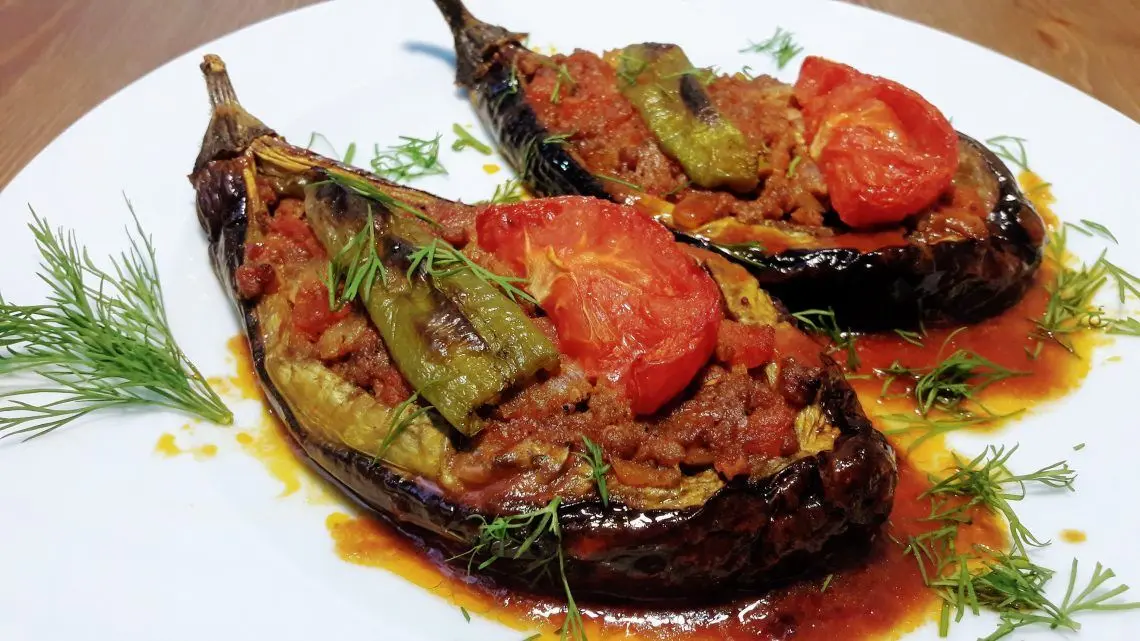
Authentic Turkish Karnıyarık (Stuffed Eggplant)
Ingredients
- 4 Medium Eggplants
- ½ lb Ground Beef 20% fat
- 1 Large Onion diced
- 2 Cloves Garlic minced
- 2 Tomatoes diced
- 2 Green Peppers sliced
- 2 tbsp Tomato Paste
- 1 tbsp Pepper Paste optional
- 3 tbsp Olive oil
- 1 tsp Salt
- 1 tsp Black pepper
- ½ tsp Cumin
- Fresh parsley for garnish
Instructions
- Prepare Eggplants: Peel eggplants in zebra stripes. Cut a slit lengthwise. Salt for 20 mins, then rinse and pat completely dry.
- Pre-cook: Lightly fry eggplants in olive oil until soft and golden. Alternatively, bake at 400 ℉ for 20 mins.
- Make Filling: Sauté onions and peppers. Add ground meat and brown. Stir in garlic, half the tomato paste, and tomatoes. Simmer for 10 mins.
- Stuff: Place eggplants in a dish. Open the slits and fill generously with the meat mixture.
- Bake: Mix remaining tomato paste with 1 cup water. Pour into the dish. Bake at (350 ℉ - 180℃ ) for 40 minutes.
- Serve: Garnish with parsley and serve with rice pilaf and yogurt.
Notes
Expert Tips for Professional Results
- The Zebra Peel: Peeling in stripes isn't just for looks. The remaining skin provides structural integrity so the eggplant doesn't fall apart, while the peeled sections allow the sauce to soak in.
- Tomato Quality: If tomatoes are out of season, use high-quality canned crushed tomatoes. The natural acidity of the tomato is what balances the richness of the fried eggplant.
- The Sugar Pinch: Add a tiny pinch of sugar to your tomato sauce base. This is an old Ottoman trick to balance the acidity and enhance the natural sweetness of the eggplant.
- Resting Time: Like a good steak, Karnıyarık needs to rest for 10 minutes after leaving the oven. This allows the juices to redistribute, making the dish much easier to serve without it falling apart.