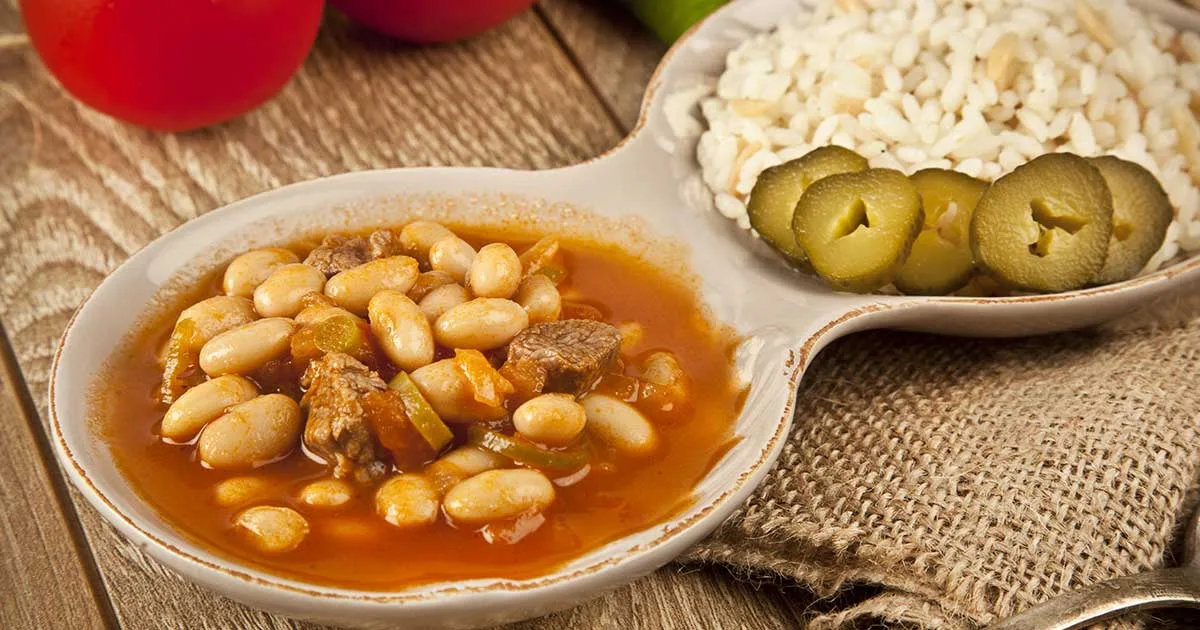
Turkish Kuru Fasulye Recipe is one of the most comforting and beloved dishes in Turkish home cooking. Made with tender white beans, slow-cooked beef, onions, tomato paste, and simple pantry ingredients, this hearty stew has been a family favorite for generations. Although the ingredient list is modest, the rich flavor comes from slow simmering and a few traditional cooking techniques. In this step-by-step guide, you’ll learn how to make authentic Turkish kuru fasulye at home, choose the best beans, avoid common mistakes, and achieve the rich, satisfying taste found in traditional Turkish kitchens.
What Is Turkish Kuru Fasulye?
Turkish Kuru Fasulye is a traditional white bean stew made by slowly cooking dried beans with beef, onions, tomato paste, and spices until the beans become creamy and the meat is fork-tender. While many countries have bean stews, Turkish kuru fasulye stands apart for its rich tomato-based broth, balanced seasoning, and slow-cooking method that allows every ingredient to develop deep flavor without overwhelming the natural taste of the beans.
It is considered one of Turkey’s most iconic everyday meals and is enjoyed in homes, neighborhood restaurants, and traditional lokantas across the country. Unlike baked bean dishes commonly found in Western cuisine, Turkish kuru fasulye is gently simmered on the stovetop, resulting in a thick, comforting stew rather than a sweet baked dish.
Traditionally, kuru fasulye is served with fluffy Turkish Rice Pilaf, fresh bread, and a glass of Ayran. This simple combination has remained one of Turkey’s most popular comfort meals for generations because it is both filling and incredibly satisfying.
One reason Turkish kuru fasulye remains so popular is its strong connection to traditional Turkish lokantas. Across Turkey, neighborhood restaurants prepare fresh pots every morning and serve them with rice pilaf, pickles, and fresh bread. This simple combination has become one of the country’s most recognizable comfort meals.
Why You’ll Love This Recipe
- Authentic Turkish family recipe made with traditional cooking techniques.
- Rich, hearty flavor using simple everyday ingredients.
- Detailed instructions suitable for beginners.
- Ingredient substitutions for cooks outside Turkey.
- Perfect for meal prep, freezing, and family dinners.
- Naturally high in protein and fiber.
- Tastes even better the next day as the flavors continue to develop.
Ingredients Turkish Kuru Fasulye Recipe
Authentic Turkish kuru fasulye relies on quality ingredients rather than complicated seasoning. Every ingredient has an important role in building the stew’s rich, balanced flavor.
Dried White Beans
- 500 g (1.1 lb) dried white beans
Small white beans are traditionally used because they become creamy while still holding their shape after long cooking. If Turkish white beans are unavailable, Great Northern Beans or Navy Beans are the closest substitutes. Cannellini beans can also be used, although they produce a slightly softer texture.
Beef
- 300 g (10 oz) beef chuck or stewing beef, cut into bite-sized cubes
Chuck is ideal because its marbling breaks down during slow cooking, creating tender meat and a flavorful broth. Lean cuts tend to become dry, while heavily marbled cuts can make the stew overly greasy.
Onion
- 1 large yellow onion, finely diced
The onion forms the aromatic base of the stew. Cooking it slowly until soft enhances the natural sweetness and creates a deeper overall flavor.
Tomato Paste
- 2 tablespoons Turkish tomato paste
Turkish tomato paste is concentrated and rich, giving the stew its signature color and savory depth. If unavailable, use double-concentrated tomato paste as the closest alternative.
Pepper Paste (Optional but Recommended)
- 1 tablespoon Turkish red pepper paste
Pepper paste adds another layer of authentic Turkish flavor without making the stew spicy. If you cannot find it locally, you can prepare your own using our Turkish Red Pepper Paste Recipe or substitute with mild roasted red pepper paste.
Olive Oil or Butter
- 2 tablespoons olive oil
Olive oil creates a lighter stew, while butter provides a richer finish. Many Turkish home cooks combine both for the best balance.
Seasonings
- 1 teaspoon salt (adjust to taste)
- ½ teaspoon freshly ground black pepper
- ½ teaspoon paprika (optional)
- 1 bay leaf (optional)
Traditional Turkish kuru fasulye is intentionally simple. The beans and beef should remain the stars of the dish rather than being hidden behind excessive spices.
Water or Beef Stock
- Approximately 1.2 liters (5 cups)
Water is traditionally used in many Turkish homes, while homemade beef stock creates an even richer broth. Avoid heavily salted commercial stocks that may overpower the delicate flavor of the beans.
Ingredient Notes & Substitutions
If dried beans are unavailable, canned white beans can be used to reduce cooking time. Drain and rinse them thoroughly before adding them during the final 20 minutes of cooking. The flavor will be slightly lighter, but the recipe remains delicious for busy weeknight meals.
For a richer version, some regional recipes include small cubes of lamb instead of beef. Vegetarian versions can also be prepared by omitting the meat and using vegetable stock, although the traditional recipe is most commonly made with beef.
Which Beans Are Best for Turkish Kuru Fasulye?
Although several types of white beans can be used, small white beans are the traditional choice for authentic Turkish kuru fasulye. Their thin skin and creamy interior create the rich texture that makes this classic stew so satisfying.
- Navy Beans – The closest match to the small white beans commonly used in Turkey. They become tender and creamy while keeping their shape, making them the best choice for an authentic result.
- Great Northern Beans – Slightly larger than Navy Beans with a mild flavor. They hold their shape well and are an excellent substitute if traditional Turkish beans are unavailable.
- Cannellini Beans – Larger and creamier with a softer texture. While they work well in this recipe, they may break down more easily during long simmering, resulting in a thicker stew.
If you want the most traditional flavor and texture, choose Navy Beans whenever possible. Great Northern Beans are a close second, while Cannellini Beans are best if you prefer a creamier consistency.
Kitchen Equipment
- Large heavy-bottomed pot or Dutch oven
- Sharp chef’s knife
- Cutting board
- Wooden spoon
- Measuring spoons and measuring jug
- Colander for draining soaked beans
“`html
How to Make Turkish Kuru Fasulye Recipe Step by Step
The secret to authentic Turkish kuru fasulye is not complicated seasoning but patience. Properly soaked beans, slowly browned beef, and gentle simmering create the creamy texture and rich flavor that make this dish one of Turkey’s favorite comfort foods. Follow each step carefully for the best results.
Step 1 – Soak the Beans Overnight
Rinse the dried white beans under cold running water and remove any damaged beans or small stones. Transfer them to a large bowl and cover with plenty of cold water, allowing at least three times their volume because the beans will expand considerably.
Let the beans soak for 12 to 16 hours. This softens the beans, shortens the cooking time, and helps them cook more evenly. Before cooking, drain the soaking water completely and rinse the beans once again.
Expert Tip: Never cook beans in their soaking water. Fresh water produces a cleaner flavor and improves the texture of the finished stew.
Step 2 – Brown the Beef
Heat the olive oil in a heavy-bottomed pot or Dutch oven over medium heat. Add the beef cubes in a single layer without overcrowding the pan.
Cook for about 6 to 8 minutes, turning occasionally until the meat develops a rich brown crust on all sides. Proper browning creates the deep savory flavor that defines traditional Turkish kuru fasulye.
Avoid constantly stirring the meat. Letting it sit for a minute before turning allows caramelization to develop naturally.
Step 3 – Cook the Onion and Tomato Paste
Add the diced onion to the browned beef and cook for about 5 minutes until soft and translucent. Stir in the tomato paste and the red pepper paste, then continue cooking for another 2 minutes.
Cooking the tomato paste before adding liquid removes its raw taste and develops a sweeter, richer flavor that gives the stew its characteristic color.
Step 4 – Add the Beans and Liquid
Add the soaked beans to the pot and pour in approximately 1.2 liters (5 cups) of hot water or beef stock. Add the bay leaf if using, but wait to add most of the salt until the beans begin to soften.
Bring everything to a gentle boil, then immediately reduce the heat to low.
Step 5 – Simmer Slowly
Cover the pot partially with a lid and simmer gently for 1½ to 2 hours, stirring occasionally. Cooking time depends on the age and variety of the beans.
The stew is ready when the beans are creamy inside but still hold their shape and the beef is tender enough to cut easily with a spoon.
If the liquid reduces too much during cooking, add a little hot water rather than cold water to maintain an even cooking temperature.
Step 6 – Season and Adjust the Consistency
Once the beans are almost tender, season with salt, black pepper, and paprika if desired. Simmer for another 10 to 15 minutes so the seasoning blends into the broth.
The finished stew should have a rich, slightly thick consistency. If it seems too thin, simmer uncovered for a few additional minutes. If it becomes too thick, stir in a small amount of hot water.
Step 7 – Let It Rest Before Serving
Remove the pot from the heat and allow the stew to rest for about 10 to 15 minutes. Resting helps the broth thicken naturally while allowing the flavors to fully develop.
Like many traditional Turkish stews, kuru fasulye often tastes even better the following day after the ingredients have had time to meld together.
Expert Tips for Perfect Kuru Fasulye
- Use beans from a recent harvest whenever possible, as older beans take much longer to soften.
- Brown the beef thoroughly before adding onions for a deeper, richer broth.
- Cook over low heat rather than boiling rapidly.
- Add salt toward the end of cooking to help the beans soften more evenly.
- Prepare the stew a day ahead if possible—the flavor improves noticeably overnight.
- A heavy Dutch oven distributes heat more evenly and prevents the beans from sticking.
- If using a pressure cooker, reduce the cooking time but finish uncovered for several minutes to develop the traditional consistency.
Common Mistakes to Avoid
- Skipping the overnight soaking step.
- Using beans that are several years old.
- Boiling the stew rapidly instead of simmering gently.
- Adding cold water during cooking.
- Adding too much tomato paste, which can overpower the beans.
- Over-stirring, causing the beans to break apart.
- Serving immediately without allowing the stew to rest.
Paying attention to these small details will give your Turkish kuru fasulye a creamy texture, tender beef, and a rich broth similar to the versions served in traditional Turkish lokantas.
What to Serve with Turkish Kuru Fasulye
Turkish kuru fasulye is satisfying on its own, but it is traditionally served with a few simple side dishes that complete the meal. These classic combinations balance the rich, savory stew and are commonly found in Turkish homes and local restaurants.
- Turkish Rice Pilaf – The most traditional accompaniment. The fluffy rice absorbs the flavorful tomato broth, creating the classic pairing enjoyed throughout Turkey.
- Crusty Bread – Fresh bread is perfect for dipping into the rich sauce and is served with almost every bowl of kuru fasulye.
- Cacık (Turkish Yogurt Dip) – Cool yogurt with cucumber and herbs provides a refreshing contrast to the hearty bean stew.
- Mixed Shepherd’s Salad – Tomatoes, cucumbers, onions, parsley, olive oil, and lemon juice add freshness and balance to the meal.
- Ayran – Turkey’s traditional yogurt drink complements rich bean dishes exceptionally well and is one of the most popular beverages served alongside kuru fasulye.
Why Does Turkish Kuru Fasulye Taste So Good?
Turkish kuru fasulye gets its rich flavor from a combination of simple, high-quality ingredients and slow cooking rather than heavy seasoning. The beef is first browned to develop a deep savory base, then simmered gently with onions, tomato paste, and white beans until the flavors blend naturally. Instead of masking the beans with strong spices, Turkish cooking allows their creamy texture and delicate flavor to remain the star of the dish.
Recipe Variations
Although beef is the most common choice in many Turkish households, kuru fasulye has several regional variations that have been enjoyed for generations.
Kuru Fasulye with Lamb
Lamb shoulder or lamb stew meat creates a richer, slightly sweeter flavor. This version is particularly popular during colder months and festive family gatherings.
Kuru Fasulye with Pastırma
One of the best-known Turkish variations uses thin slices of pastırma, Turkey’s famous air-dried cured beef. The meat adds a distinctive aroma and deep savory flavor without requiring additional spices.
Kuru Fasulye with Sucuk
Some families prepare the stew using Turkish sucuk instead of beef. The lightly spicy sausage gives the broth a smoky flavor while remaining true to traditional Turkish cuisine.
Vegetarian Kuru Fasulye
Simply omit the meat and prepare the stew with olive oil and vegetable stock. The beans remain the centerpiece, making this a hearty vegetarian meal that is still widely enjoyed throughout Turkey.
Storage & Reheating
Like many traditional stews, Turkish kuru fasulye often tastes even better the next day because the beans continue absorbing the flavorful broth overnight.
Refrigerator
Allow the stew to cool completely before transferring it to an airtight container. Store it in the refrigerator for up to 4 days.
Freezer
Kuru fasulye freezes exceptionally well. Divide it into individual portions and freeze for up to 3 months. Thaw overnight in the refrigerator before reheating.
How to Reheat
Warm the stew gently over medium-low heat while stirring occasionally. If it has thickened during storage, simply add a splash of hot water or beef stock until the desired consistency returns.
Avoid boiling vigorously during reheating, as this may cause the beans to break apart.
Frequently Asked Questions
What beans are best for Turkish kuru fasulye?
Small white beans such as Navy Beans or Great Northern Beans are the closest alternatives to the beans traditionally used in Turkey. They become creamy while maintaining their shape after long simmering.
Can I use canned beans?
Yes. Although dried beans produce the most authentic texture and flavor, canned white beans work well when you’re short on time. Add them during the final 20 minutes of cooking to prevent them from becoming too soft.
Why are my beans still hard after cooking?
Old beans, insufficient soaking, or hard water are usually responsible. Fresh beans soaked overnight generally become tender much more easily than older dried beans.
Can I make kuru fasulye without meat?
Absolutely. Many Turkish families prepare a meatless version using olive oil instead of beef. It remains filling, flavorful, and naturally vegetarian.
Can I cook kuru fasulye in a pressure cooker?
Yes. A pressure cooker significantly reduces cooking time while producing tender beans. After pressure cooking, simmer uncovered for a few minutes if the broth needs to thicken.
Why does Turkish kuru fasulye taste better the next day?
As the stew rests, the beans continue absorbing the tomato-based broth and the flavors become more balanced. This is why many Turkish cooks intentionally prepare it a day in advance.
Can I make this recipe ahead of time?
Yes. Kuru fasulye is one of the best make-ahead Turkish dishes because its flavor improves after resting overnight. Simply refrigerate and gently reheat before serving.
Is Turkish kuru fasulye spicy?
No. Traditional Turkish kuru fasulye is mild and relies on the natural flavors of beans, beef, onions, and tomato paste rather than hot spices. If you prefer extra heat, you can add a pinch of Turkish red pepper flakes when serving.
Conclusion
Turkish Kuru Fasulye is proof that simple ingredients can create extraordinary flavor when prepared with care. Tender white beans, slow-cooked beef, onions, and tomato paste come together in a rich, comforting stew that has been a staple of Turkish home cooking for generations. Whether you’re making it for a family dinner or preparing meals ahead for the week, this authentic Turkish Kuru Fasulye Recipe delivers a hearty, satisfying dish that brings the warmth of a traditional Turkish kitchen to your table.
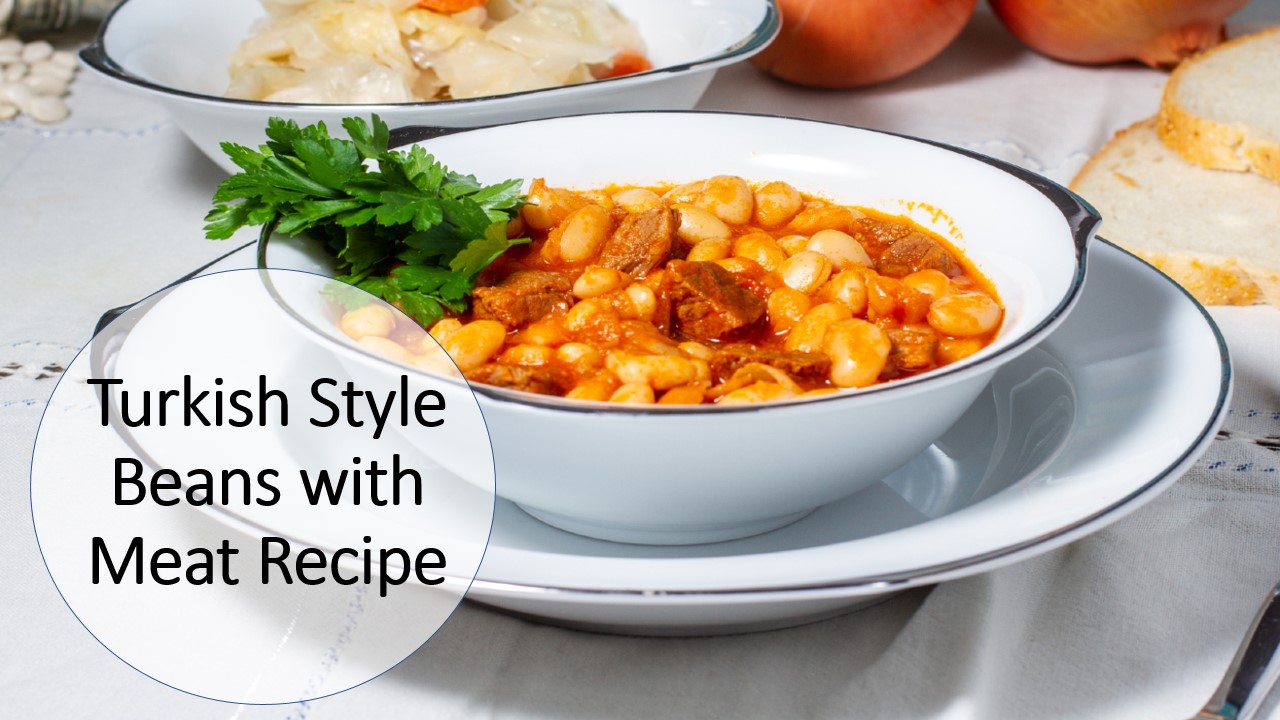
Turkish Kuru Fasulye Recipe
Ingredients
- 500 g dried white beans soaked overnight
- 300 g beef chuck or stewing beef cut into bite-sized cubes
- 1 large yellow onion finely diced
- 2 tablespoons olive oil
- 2 tablespoons Turkish tomato paste
- 1 tablespoon Turkish red pepper paste optional but recommended
- 1 teaspoon salt adjust to taste
- ½ teaspoon black pepper
- ½ teaspoon paprika optional
- 1 bay leaf optional
- 1.2 liters hot water or low-sodium beef stock
Instructions
- Soak the beans
- Rinse the dried white beans under cold water. Place them in a large bowl, cover with plenty of cold water, and soak for 12–16 hours. Drain and rinse before cooking.
- Brown the beef
- Heat olive oil in a large heavy-bottomed pot over medium heat. Add the beef cubes in a single layer and brown for 6–8 minutes, turning occasionally.
- Cook the onion
- Add the diced onion and cook for about 5 minutes until soft and translucent.
- Add the pastes
- Stir in the tomato paste and red pepper paste. Cook for 2 minutes to remove the raw paste flavor and deepen the color of the stew.
- Add beans and liquid
- Add the soaked beans, hot water or beef stock, and bay leaf if using. Bring to a gentle boil.
- Simmer slowly
- Reduce the heat to low, partially cover the pot, and simmer for 1½–2 hours, stirring occasionally.
- Season near the end
- When the beans are almost tender, add salt, black pepper, and paprika if using. Continue simmering for 10–15 minutes.
- Adjust consistency
- If the stew is too thick, add a little hot water. If it is too thin, simmer uncovered until the broth becomes rich and slightly thick.
- Rest before serving
- Remove from heat and let the stew rest for 10–15 minutes before serving.