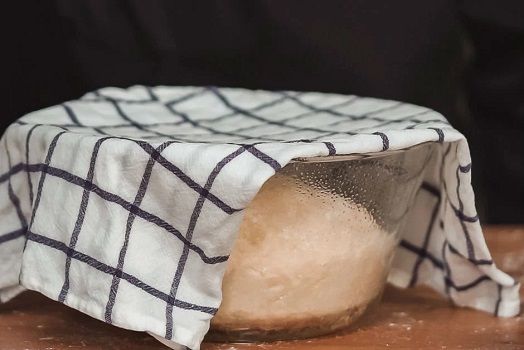
Preparing dough ahead of time is common in Turkish cuisine, especially for recipes like bazlama, pide, and gözleme. But one question always comes up: how long does yeast dough last in the fridge without losing its texture and flavor?
The answer depends on ingredients, fermentation, and storage conditions. When done correctly, refrigerating dough not only preserves it but can actually improve its taste thanks to slow fermentation.
If you often make recipes like Turkish Balloon Bread (Bazlama) or Turkish ramadan Pide, understanding dough storage will help you achieve softer, more flavorful results every time.
How Long Can Yeast Dough Stay in the Fridge?
Yeast dough can typically be stored in the refrigerator for up to 3 days. However, the exact duration depends on what’s inside the dough.
Dough that contains eggs should be used within 24 hours, as it spoils faster. Egg-free dough, which is more common in Turkish recipes like Turkish Gozleme Recipe, can last between 2 to 3 days when stored properly.
Dough made with dry yeast tends to last longer than dough made with fresh yeast because it ferments more slowly and remains stable under cold conditions.
What Happens to Dough in the Refrigerator?
Refrigeration slows down yeast activity but does not stop it completely. This means the dough continues to ferment slowly, which actually enhances flavor.
This is why many traditional Turkish breads, including Turkish Simit Recipe, develop a deeper taste when the dough is rested longer.
However, if left too long, the dough can:
- become overly sour
- lose elasticity
- collapse when cooked
The key is controlling time and temperature carefully.
How to Store Yeast Dough Properly
To keep your dough fresh and usable, proper storage is essential.
First, place the dough in an airtight container. This prevents it from drying out and forming a crust. Lightly oiling the surface helps maintain moisture and elasticity.
Make sure the container is sealed tightly before placing it in the refrigerator. Exposure to air is one of the main reasons dough quality deteriorates.
If you are preparing dough for recipes like Turkish Pide Bread, storing it correctly will directly affect the final texture.
How Long Can Dough Stay at Room Temperature?
Before refrigeration, dough is usually left to rise at room temperature. This stage is critical for activating yeast.
Dough made with fresh yeast should not be left outside for more than 2 to 3 hours. Dry yeast dough can last slightly longer, around 4 to 5 hours.
In warm environments, fermentation speeds up, which increases the risk of over-proofing. This is especially important when preparing soft breads like Turkish Bread Recipe Without Yeast, where texture is everything.
How to Use Refrigerated Dough
When you’re ready to use the dough, take it out of the fridge at least 1–2 hours in advance. This allows it to return to room temperature and reactivate the yeast.
Using cold dough directly often results in dense and uneven bread. Allowing it to rest ensures a softer and more elastic structure, which is essential for recipes like Grain Bread Recipe .
Common Mistakes When Storing Dough
Many people unknowingly ruin their dough during storage. One of the most common mistakes is using dough straight from the refrigerator without letting it rest. This leads to dense and undercooked results.
Another issue is over-fermentation. Leaving dough too long, even in the fridge, causes it to develop a sour smell and weak structure.
Improper sealing is also a problem. If the dough is not stored in an airtight container, it dries out and forms a crust, making it unusable.
Finally, storing dough beyond three days significantly reduces its quality. The gluten structure weakens, and the dough will not rise properly when cooked.
Turkish Dough Culture and Why It Matters
In Turkish cuisine, dough preparation is more than just a technique—it’s a tradition. Recipes are often passed down through generations, and fermentation is carefully controlled to achieve the perfect texture.
Dough-based foods like bazlama, pide, and simit rely heavily on proper fermentation and storage. This is why understanding how to store yeast dough correctly is essential if you want authentic results.
Frequently Asked Questions
Can yeast dough be frozen?
Yes, yeast dough can be frozen for up to two months. It should be wrapped tightly and thawed slowly in the refrigerator before use.
Why does my dough smell sour?
A sour smell usually means the dough has fermented for too long. While it may still be usable, the flavor will be stronger than desired.
Can I refrigerate dough immediately after kneading?
Yes, but allowing it to rise slightly before refrigeration improves both texture and flavor.
How do I know if dough is spoiled?
If the dough has a strong unpleasant smell, gray discoloration, or excessive stickiness, it should not be used.
Is refrigerated dough better than fresh dough?
In many cases, yes. Slow fermentation in the fridge enhances flavor and improves texture.